topappreviewsites may earn a commission when you buy through links on this page, at no extra cost to you. This does not affect our ratings.
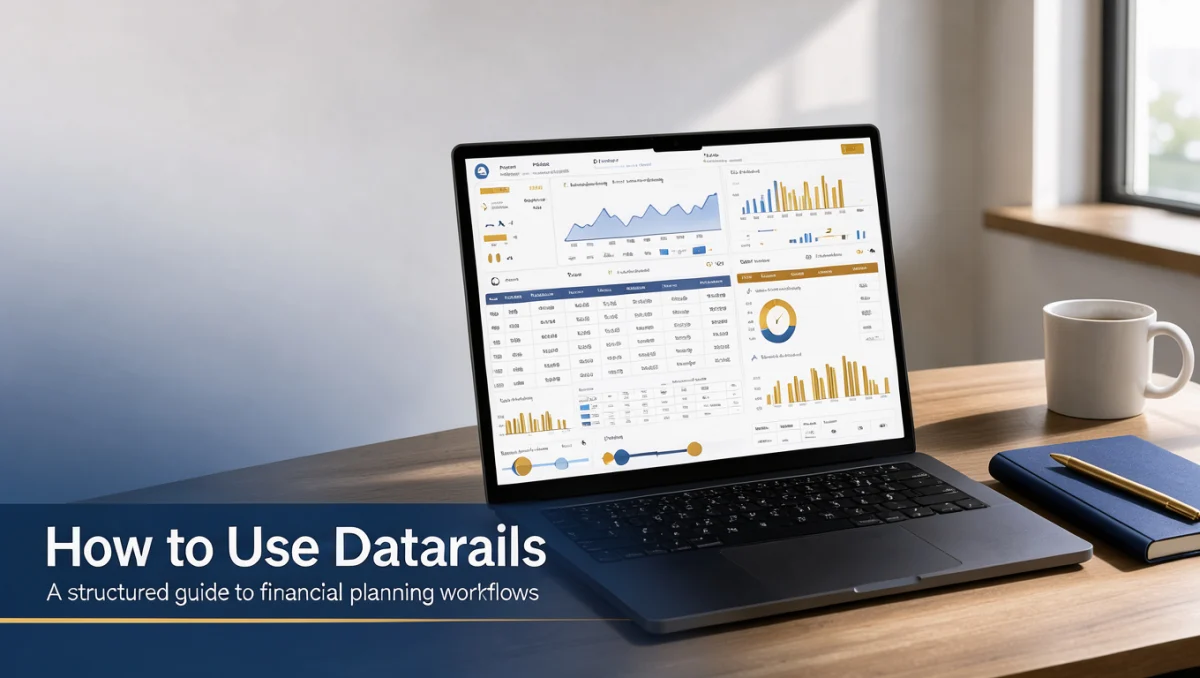
Getting started with how to use Datarails means beginning with organized historical financial records, aligning your chart of accounts, and setting up recurring consolidation tasks. Finance teams turn to dedicated planning platforms to bring spreadsheet models together without abandoning the workbook habits their staff already rely on. At Top App Review Sites, we walk through software workflows so decision-makers can roll out new tools with confidence.
Adopting this platform works best when you follow a clear progression, from normalizing your chart of accounts through to scheduled variance reviews. A deliberate implementation path keeps data integrity intact across ledger extracts, budget templates, and executive summaries while your regular reporting calendar stays on track.
Quick answer: To learn how to use Datarails, prepare clean trial balances, map your spreadsheet workbooks to standardized database fields, automate periodic consolidation runs, and review budget variances. Finance teams should confirm source system connections, build dependable month-end validation checks, and consult qualified finance professionals when defining complex multi-entity consolidation rules.
| Evaluation Dimension | Operational Guidance |
|---|---|
| Who this guide is for | Finance managers, corporate controllers, and financial analysts looking for automated consolidation and structured financial planning |
| What you need before starting | A clean chart of accounts, historical general ledger balances, current budgeting templates, and administrative database credentials |
| What you will have at the end | A repeatable financial reporting workflow, scheduled variance analysis routines, and documented month-end consolidation procedures |
1. How topappreviewsites Put This Guide Together
This guide pairs the capabilities this software is designed for with the topappreviewsites buying framework, so you can choose what fits your business. Plans, pricing, and limits change frequently, so we flag what to verify on the official website before purchasing. This article was researched and drafted with the help of AI tools, then reviewed and edited by the topappreviewsites Editorial Team.
2. Before you start
Before launching any financial planning software rollout, your team should gather core transaction records and agree on reporting standards. Preparing source files in advance prevents data mismatch errors during later consolidation stages, especially when aligning several business units across distributed subsidiaries within your Accounting operations.
- Historical general ledger extracts and trial balances covering the relevant fiscal years.
- Standardized chart of accounts definitions, including department codes, cost centers, and intercompany elimination accounts.
- Existing spreadsheet reporting workbooks, including profit and loss sheets, balance sheets, and cash flow projections.
- Administrative access credentials for enterprise resource planning platforms and external payroll databases.
- Documentation of current month-end close schedules, approval hierarchies, and internal audit requirements.
3. Step-by-step workflow: how to use Datarails
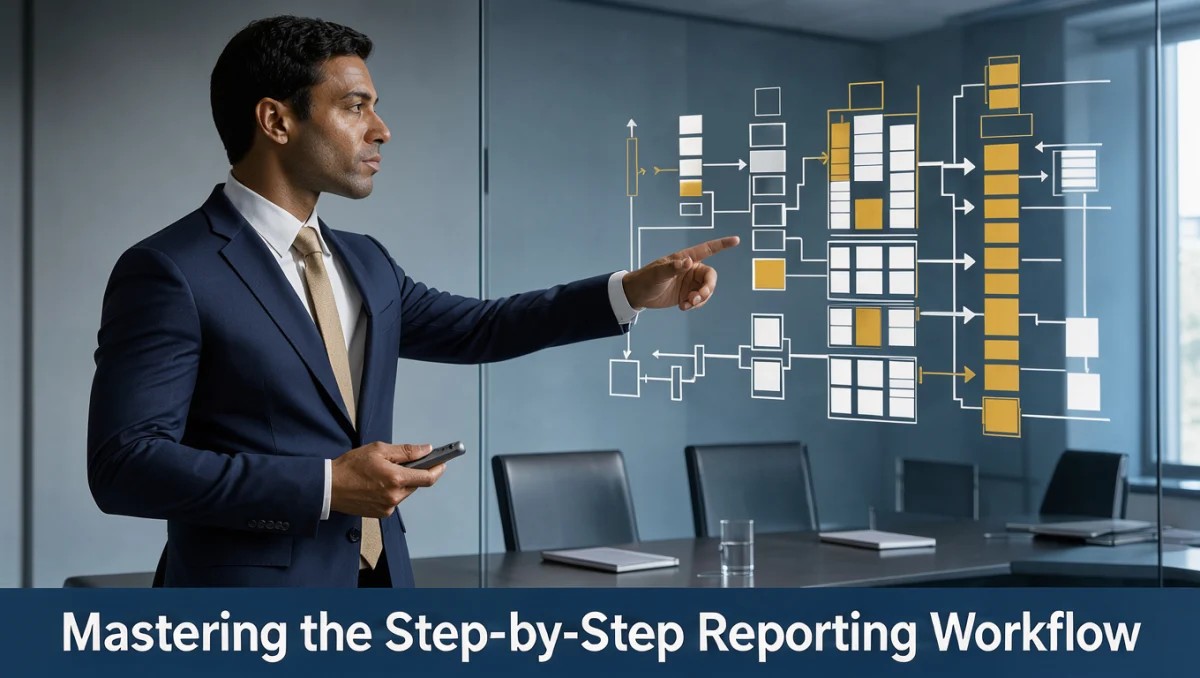
Mastering the process requires a disciplined sequence that bridges familiar desktop workbooks with centralized database structures. Following these milestones ensures reliable reporting without disrupting ongoing quarterly operations.
- Audit and clean existing spreadsheets to remove broken formula references, hardcoded plugs, and conflicting naming conventions before connecting data sources.
- Map internal spreadsheet ranges to centralized database schemas so that every account number and entity tag matches your organizational financial hierarchy.
- Run an initial baseline consolidation to confirm that imported general ledger balances match audited financial statements exactly.
- Build standardized reporting templates for routine management packs, variance reviews, and rolling cash forecasts.
- Set up automated refresh cycles that pull regular general ledger updates directly into dynamic board presentation decks.
- Run scenario models to evaluate budget adjustments, headcount updates, and revenue shifts against baseline performance targets.
4. Your first 30 days
A phased adoption schedule keeps implementation organized while team members adapt to automated reporting routines. Research published on the Top App Review Sites software portal emphasizes staged implementation milestones over abrupt operational cutovers.
| Week | Routine to build | Why it matters |
|---|---|---|
| Week 1 | Data mapping and chart reconciliation | Establishes a single source of truth across historical general ledger numbers. |
| Week 2 | Template standardization and test syncs | Verifies that existing spreadsheet logic aligns with centralized records. |
| Week 3 | Parallel month-end reporting run | Identifies discrepancies between manual calculation workbooks and automated rollups. |
| Week 4 | Management deck review and routine scheduling | Empowers analysts to publish recurring financial packages without repetitive manual rework. |
5. Common mistakes and how to avoid them
Financial software adoptions often stumble on disorganized legacy practices rather than technical barriers. Watching for these common oversights protects the integrity of your internal reporting.
- Importing unstandardized workbook layouts with inconsistent column headers or merged cell blocks across business units.
- Overlooking intercompany transaction balances, which distorts consolidated revenue and expenditure totals.
- Neglecting access permission governance, allowing unauthorized staff to overwrite baseline financial assumptions.
- Skipping parallel manual reconciliation cycles during the first month of deployment.
- Failing to document custom calculation formulas used in management reporting packets.
6. When to ask for help
Although structured software simplifies routine financial modeling, certain complex scenarios call for specialized outside advice. Knowing when to escalate technical or functional challenges helps maintain compliance and operational stability.
- Complex foreign currency translation adjustments that require specialized accounting treatment under international reporting standards.
- Major entity restructuring, acquisitions, or spin-offs that alter fundamental consolidation rules.
- Unresolved synchronization discrepancies between enterprise resource databases and centralized financial tables.
- Statutory tax compliance reviews, where certified public accountants must verify regulatory reporting accuracy.
7. Frequently asked questions
What level of spreadsheet proficiency is necessary for this platform?
Users should have a solid grasp of spreadsheet formulas, financial modeling conventions, and pivot structures. Because financial planning software often preserves familiar workbook environments, finance professionals who already manage budgeting templates can carry their existing skills over without learning full software programming.
How should a team handle multi-entity consolidation rules?
Teams should establish a standardized chart of accounts mapping table that clearly specifies elimination accounts for intercompany transactions. Verifying foreign exchange translation methods with certified accounting advisors before automating periodic consolidation cycles prevents reconciliation errors during audits.
What steps ensure data consistency during software onboarding?
Running parallel reporting cycles alongside existing manual spreadsheets remains the most effective safeguard. Comparing line-by-line outputs for profit and loss balances, gross margins, and balance sheet lines over a full month-end cycle uncovers discrepancies before final management sign-off.
Where can administrators confirm user permission limits?
Account administrators should check the official software documentation and plan specification pages to confirm role assignments. Verifying access tiers directly with vendor support ensures that sensitive salary, bonus, and profit details remain restricted to authorized leadership roles.
8. Next steps on how to use Datarails
Successfully adopting financial planning technology requires deliberate organization, careful verification, and consistent maintenance routines. Teams looking to optimize how to use Datarails should proceed with these structured next actions.
- Audit all operational budgeting templates currently circulating across your finance department.
- Visit the official vendor documentation portal to confirm technical prerequisites for your specific general ledger system.
- Schedule planning workshops with department heads to standardize reporting criteria before automating workflows.
- Run a complete parallel consolidation cycle during your upcoming close to validate automated outputs against historical benchmarks.
Have a question about choosing software? Send it to the topappreviewsites team through our contact page, or follow topappreviewsites on LinkedIn for new reviews and comparisons.