topappreviewsites may earn a commission when you buy through links on this page, at no extra cost to you. This does not affect our ratings.
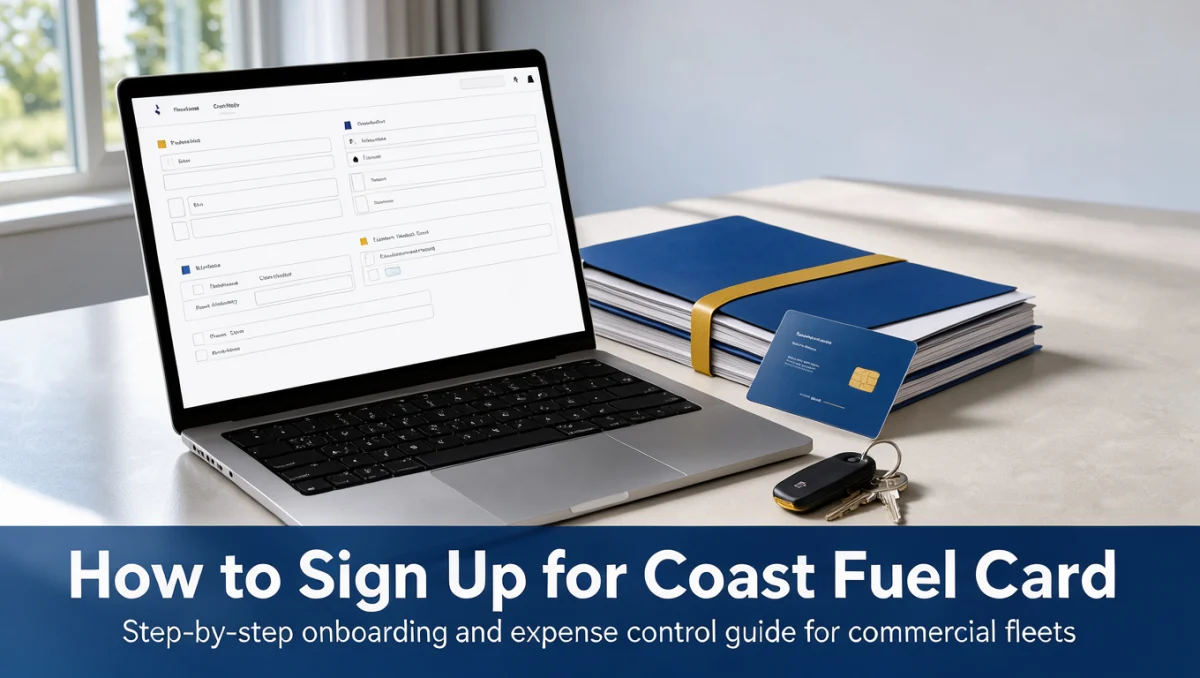
Knowing how to sign up for coast fuel card starts with collecting verified company registration papers, naming the authorized fleet operators, and setting up your business payment profile. At Top App Review Sites, we review onboarding workflows so finance teams can start tracking vehicle fuel spending without delays.
Getting the application right the first time helps owners avoid identity checks that drag on and lets them set sensible purchase limits early. Reviewing verification requirements in advance keeps your fleet payment setup aligned with how each vehicle actually runs.
Quick answer: To register, verify your business entity, submit beneficial ownership details, set driver spending caps, and configure card allocation rules through the provider's official portal.
| Evaluation Factor | Details |
|---|---|
| Who this guide is for | Business owners, fleet managers, and finance teams that handle vehicle fuel costs. |
| What you need before starting | Corporate registration records, tax identification numbers, and counts of authorized vehicles and drivers. |
| What you will have at the end | A submitted commercial fuel card application and a working fleet expense tracking setup. |
1. How topappreviewsites Put This Guide Together
This guide blends what the software covered here is designed to do with the topappreviewsites buying framework, so you can choose what suits your business. Plans, prices, and limits change frequently, so we flag what to confirm on the official website before you commit. This article was researched and drafted with AI tools, then reviewed and edited by the topappreviewsites Editorial Team.
2. Before you start
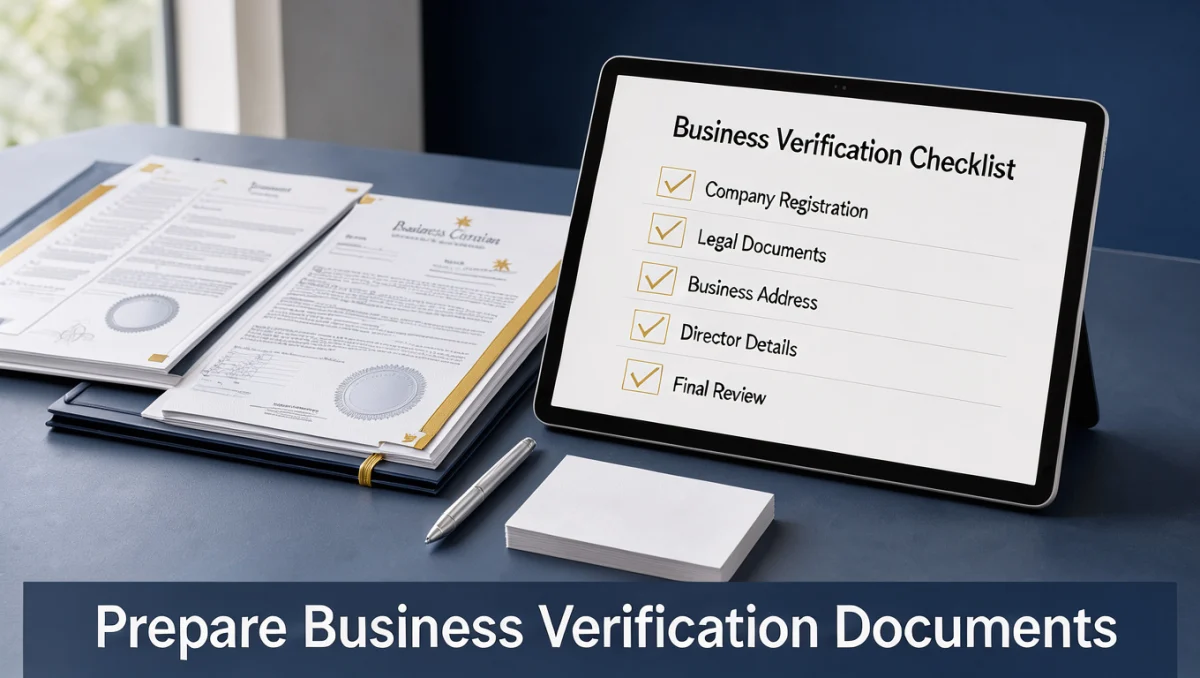
Gathering commercial records before you begin registration helps you avoid administrative holds during identity verification. Fuel card issuers follow strict commercial lending and payment compliance standards, so they require solid documentation that your business is legitimate.
- Official business registration documents showing the legal company name and principal operating address.
- Federal tax identification paperwork that matches entity filings with state and national records.
- Ownership verification details for individuals who hold significant equity or executive management roles.
- Commercial bank account routing details for settling scheduled fuel statement balances.
- Estimated driver rosters and vehicle counts to plan initial card allocation.
3. Step-by-step workflow
Following a clear application sequence lets fleet administrators complete verification smoothly and set up oversight from the start.
- Open the registration section of the official Coast fuel card portal, choose a commercial account application, and confirm current requirements directly on the platform.
- Enter legal company information, including registered entity names, operating locations, and primary contact details for commercial verification.
- Provide beneficial ownership data and executive identity records that financial regulations require to confirm underwriting eligibility.
- Link commercial settlement accounts by verifying bank routing and account details for recurring expense payments.
- Specify driver and vehicle counts so physical or digital cards can be issued for active personnel.
- Set initial spending category rules and daily spending thresholds to keep the fleet budget in check from the first transaction.
4. Your first 30 days
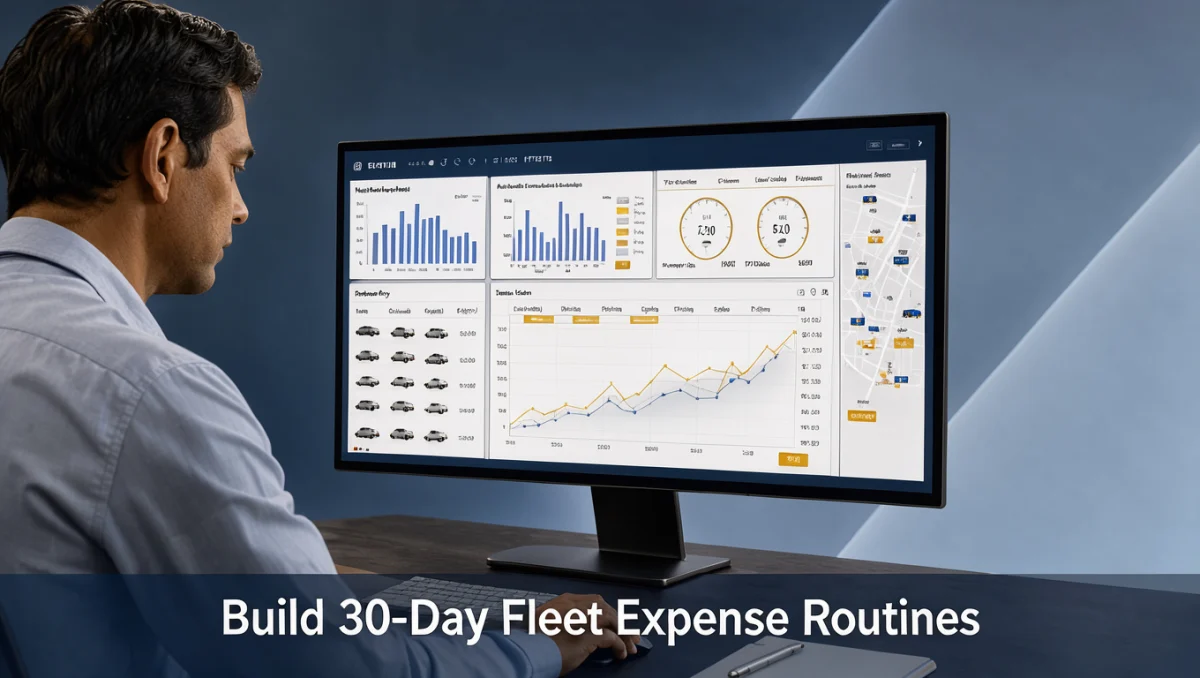
Building disciplined admin habits in the first month prevents unauthorized purchases and makes general ledger reconciliation far simpler for your accounting department.
| Week | Routine to build | Why it matters |
|---|---|---|
| Week 1 | Assign individual cards to designated drivers and test initial point-of-sale approvals. | Confirms that transaction authorization rules work across your active operating areas. |
| Week 2 | Compare pending transactions against logged odometer readings and vehicle usage records. | Catches accidental personal purchases or unusual spending patterns before statements close. |
| Week 3 | Audit spending categories and adjust transaction limits based on actual fuel consumption. | Prevents overspending while making sure field workers can complete daily routes without declined payments. |
| Week 4 | Reconcile monthly settlement statements with internal bookkeeping records and tax categories. | Simplifies expense deduction reporting and confirms financial statements reflect real vehicle costs. |
5. Common mistakes and how to avoid them
Fleet operators often run into avoidable friction by skipping basic compliance checks during onboarding.
- Entering informal trade names instead of registered corporate entities, which triggers automatic underwriting mismatches.
- Failing to set cardholder limits before distributing cards, leaving company funds open to unmonitored purchases.
- Sharing generic cards across several drivers without individual tracking, which makes transactions impossible to audit.
- Neglecting to tell your banking partner about upcoming automated clearing drafts, which can create avoidable settlement flags.
6. When to ask for help
Some commercial edge cases call for direct consultation with outside accounting professionals or the provider's customer service team.
- Complex entity structures involving holding companies or subsidiaries, where ownership attribution needs legal clarification.
- Multi-state fleet tax questions, where fuel tax credits or jurisdictional exemptions require specialized accounting advice.
- Sudden underwriting holds that require manual verification of recent corporate tax filings or banking history.
- Unexpected transaction declines at fuel pumps even though the account is active and has sufficient available credit.
7. Frequently asked questions
What commercial records are required during sign up?
Commercial applicants typically need registered corporate documents, employer identification numbers, identification for authorized officers, and verified commercial bank account information. Checking the official Coast fuel card application page confirms the specific document formats needed for underwriting review.
How long does the commercial underwriting review take?
Processing time depends on how quickly identity checks, banking validation, and commercial credit evaluations are completed. Checking notifications on the official application dashboard lets you track submission status throughout the verification cycle.
Why should drivers receive individual cards instead of shared vehicle cards?
Individual cards link each purchase to a specific team member, creating accountability and reducing unauthorized spending. Shared cards make transactions hard to audit and add reconciliation work during monthly accounting reviews.
Who should review fuel card spending limits before card distribution?
Finance managers, fleet directors, or designated accounting supervisors should set transaction caps before cards go out to the field. Coordinating spending rules with certified bookkeeping professionals ensures your expense controls match real operating budgets.
8. Next steps
Completing your initial application lays the groundwork for efficient fleet cost management and accurate financial reporting.
- Review the company information you submitted on the official provider portal to confirm which verification items are still pending.
- Draft an internal fleet spending policy that outlines acceptable merchant categories and daily transaction allowances for field staff.
- Schedule an orientation session with company drivers to explain card usage rules, receipt handling, and mileage reporting.
- Work with your bookkeeping team to map fuel expense categories to existing general ledger accounts.
Have a question about choosing software? Send it to the topappreviewsites team through our contact page, or follow topappreviewsites on LinkedIn for new reviews and comparisons. Browse more guides in our Accounting section.