topappreviewsites may earn a commission when you buy through links on this page, at no extra cost to you. This does not affect our ratings.
Growing companies often start asking whether their current payment tool still fits. More vendors, more approvers and tighter books can make a standalone disbursement utility feel limiting. Our team at Top App Review Sites evaluates business software architecture to help finance managers match tools to their operational scale, and that is the lens we use here.
Every company handles bills differently, whether the concern is approval chains, overseas suppliers or keeping the ledger clean. Looking at credible melio alternatives helps your team avoid disruption while keeping records accurate.
Quick answer: Teams that want formal approval routing often look at Bill. Organizations seeking end-to-end ledger control tend to choose QuickBooks, while FreshBooks suits businesses that lean on client billing alongside simple vendor payments.
| Alternative | Switch to it if | Main trade-off |
|---|---|---|
| Bill | Your team requires multi-step approval workflows and dedicated accounts payable depth. | Higher organizational complexity and separate subscription management alongside existing ledgers. |
| QuickBooks | You want full ledger records, tax preparation tools, and native disbursements in a single system. | A broader bookkeeping structure that requires dedicated setup compared to focused payment tools. |
| FreshBooks | Your company focuses on client billing, professional services invoicing, and simple expense tracking. | Fewer built-in tools for handling complex multi-tiered vendor disbursement batches. |
How the topappreviewsites team built this guide
This guide pairs what each software covered here is designed to do with the topappreviewsites buying framework, so you can judge which option fits your business. Plans, pricing and limits change frequently, so confirm current details on each official website before you buy. This article was researched and drafted with AI assistance, then reviewed and edited by the topappreviewsites Editorial Team.
Why people look beyond Melio
Accounts payable platforms help companies schedule supplier payments, manage incoming bills and sync transactions with their books. A focused payment utility handles simple vendor settlements well, but as operations grow, finance leaders often reassess their whole software stack.
Many expanding businesses find that keeping payments separate from the main ledger adds reconciliation work across their general accounting records. As transaction volumes rise, administrators tend to prefer systems that bring together invoicing, bank reconciliation and vendor payments in one environment. Companies managing purchase orders or multi-tier management sign-offs also need granular permissions that lighter payment tools rarely emphasize.
- Desire for combined general ledger functions instead of a standalone disbursement utility.
- Need for formal purchase order matching and multi-stage managerial approval chains.
- Requirement for unified client invoicing alongside vendor accounts payable tracking.
Switching triggers: when to consider another tool
Replacing financial software should be driven by clear operational bottlenecks, not minor preference changes. Pinpointing the core reason for migrating avoids unnecessary churn and protects the integrity of your accounting data.
| Reason you want to switch | Type of alternative to consider | What to check first |
|---|---|---|
| Approval bottlenecks with multiple managers | Dedicated enterprise-grade payable platforms | Confirm exact approval routing settings and seat allocation policies on vendor pricing pages. |
| Disconnected books and double entry | Comprehensive bookkeeping suites | Verify data import formats and chart of accounts mapping before making changes. |
| Service-oriented invoicing needs | Client billing and project accounting software | Review client portal features and payment processing terms directly with providers. |
| International supplier distribution | Cross-border commercial payment networks | Check supported currency lists and foreign settlement schedules on official product sheets. |
The alternatives to Melio
Comparing replacements starts with understanding what each major platform is built to focus on in commercial disbursements.
Switch from Melio to Bill if you need structured approval routing
Bill automates accounts payable and receivable workflows for small and mid-sized businesses and accounting firms. Choose Bill if your organization needs formal routing rules, such as department heads reviewing vendor documentation before any payment goes out. The main trade-off is a more complex administrative setup with distinct user role tiers. Verify fee schedules and required subscription levels on the official Bill website before migrating.
Switch from Melio to QuickBooks if you want an all-in-one ledger
QuickBooks, developed by Intuit, is a complete bookkeeping and business management hub for small and medium enterprises. Choose QuickBooks if you want financial statements, inventory counts, tax summaries and bill settlements managed in one platform. The trade-off is an expansive system that rewards disciplined bookkeeping, compared with single-purpose payment utilities. Confirm package inclusions and ledger features on the official QuickBooks website.
Switch from Melio to FreshBooks if your focus is client invoicing
FreshBooks emphasizes client billing, time tracking and expense reporting for service professionals and small agencies. Choose FreshBooks if your daily priority is issuing professional invoices and logging billable hours alongside straightforward vendor tracking. The compromise is that specialized multi-entity supplier disbursement chains sit outside its core design. Review billing plan parameters on the official FreshBooks website before deciding.
How to switch without losing data
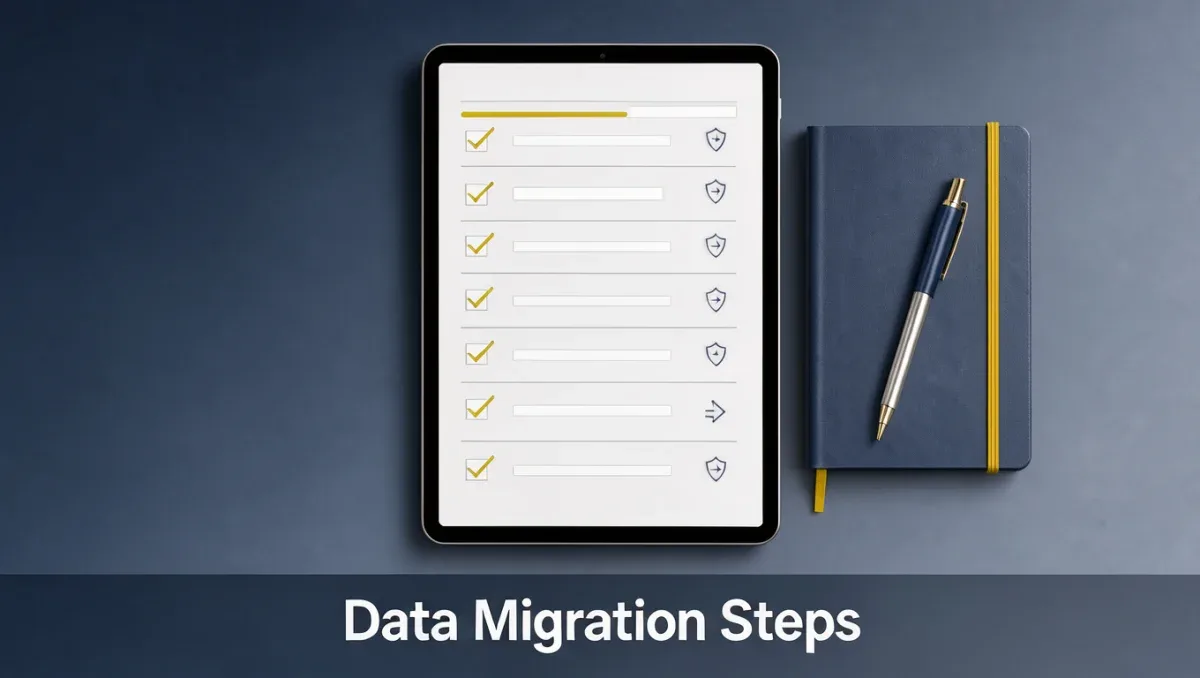
Migrating financial records requires a structured process to prevent missing invoices or duplicate payments. Following a standard sequence keeps your books accurate through the transition.
- Export historical supplier databases, open balances and past payment logs into standard spreadsheet formats.
- Audit the exported vendor records to remove inactive contractors, outdated banking details and duplicate tax identifiers.
- Configure the chart of accounts and payment categories within your chosen replacement software.
- Run both systems in parallel for two weeks, recording outgoing bills in each platform to verify accuracy.
- Reconcile opening balances against verified bank statements before deactivating legacy disbursement accounts.
Frequently asked questions
When should an organization stay with Melio?
Staying with Melio makes sense when you need a focused tool for scheduling vendor bills without running a large bookkeeping infrastructure. If your ledger sync covers reconciliation needs and approval hierarchies stay simple, keeping a streamlined utility avoids unnecessary migration effort and staff retraining.
How much operational effort does switching payment platforms require?
Changing payment systems involves administrative planning, exporting digital records and notifying vendors. Most small operations complete the data migration within one to two weeks, followed by an additional settlement cycle to make sure all vendor bank accounts clear without delays.
What should finance teams prepare before migrating vendor systems?
Teams should gather updated tax identification forms, verified supplier banking instructions and a definitive list of recurring scheduled payments. Keeping these records organized in standardized spreadsheet files prevents failed transfers and speeds up setup in the new software.
Should a business consult an external accountant before switching?
Consulting a qualified bookkeeper or certified accountant is recommended whenever you change financial systems. Professional advisors make sure tax mapping, payment classification and year-end reporting stay intact across the transition, helping you avoid ledger discrepancies or compliance missteps.
Bottom line
The right choice among melio alternatives depends on your organizational structure and core operational focus. If internal authorization delays slow you down, a dedicated accounts payable tool like Bill provides the structured approval layers you need. If running separate tools for payments and bookkeeping creates reconciliation friction, an all-in-one suite like QuickBooks unifies your general ledger. For service firms prioritizing client billing over heavy supplier processing, FreshBooks offers a practical balance. Compare your current requirements directly against official product specifications to find the software that best protects your financial integrity.
Have a question about choosing software? Send it to the topappreviewsites team through our contact page or follow topappreviewsites on LinkedIn for new reviews and comparisons.