topappreviewsites may earn a commission when you buy through links on this page, at no extra cost to you. This does not affect our ratings.
Before rolling out a new messaging platform, most managers want a straight answer on zenzap pros and cons. The real question is whether a single workspace that merges conversation and task coordination will simplify daily work or add new layers of coordination overhead for your staff.
At Top App Review Sites, we assess workplace tools without favoritism, testing whether specialized features truly fit everyday operations. Judging this platform means looking closely at how threaded discussions, assigned tasks, and shared reference material behave together during a normal working week.
Quick answer: Zenzap brings direct messages, group topics, task tracking, and team notes into one workspace. Its main drawback is that every department must agree on consistent habits for channels and tasks. Small, distributed teams that need light coordination usually gain the most and find the trade-offs easy to live with.
| Biggest strengths | Biggest limitations |
|---|---|
| Pairs chat threads with actionable team assignments | Needs consistent team discipline to keep channels tidy |
| Keeps project discussions beside shared reference files | Can feel thin next to dedicated project trackers |
| Cuts down on switching between chat and to-do apps | Notification rules take deliberate setup across groups |
1. How topappreviewsites Built This Review
This review pairs a close look at what the software is designed to do with the topappreviewsites buying framework, so you can judge fit for your own business. Pricing, plan limits, and features change frequently, so verify current details on the official website before purchasing. Research and a first draft were produced with AI assistance, then reviewed and revised by the topappreviewsites Editorial Team.
2. Where Zenzap Shines
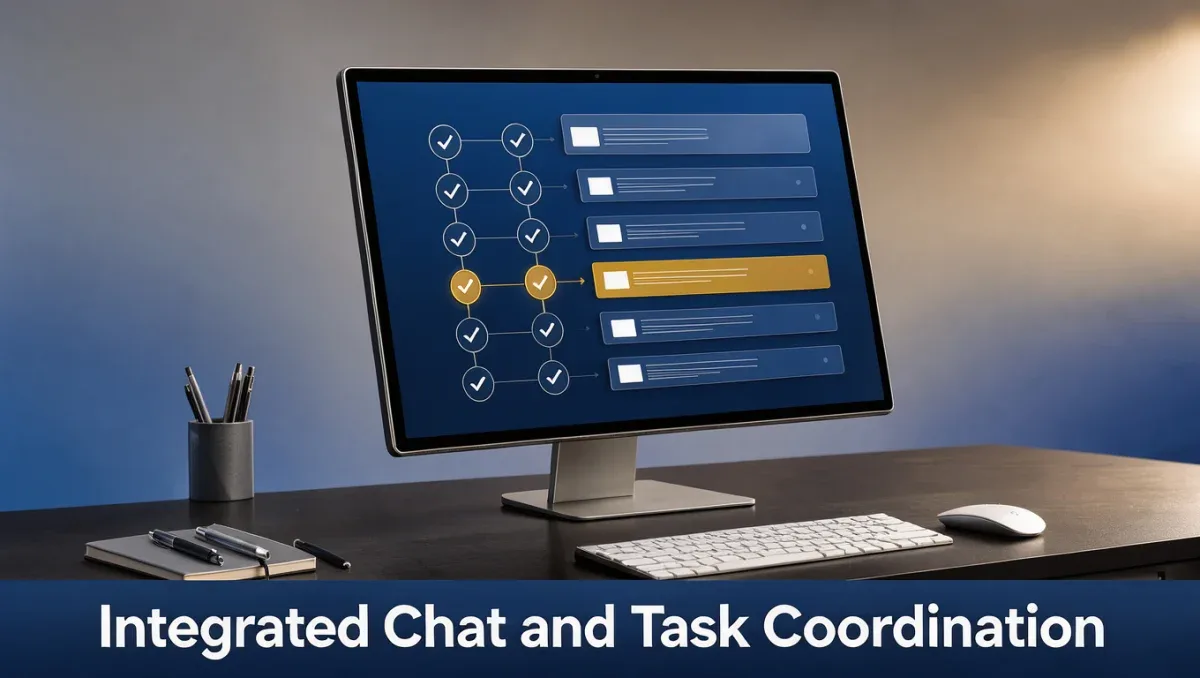
Zenzap reduces everyday workplace friction by bringing team conversations and task coordination into one continuous environment.
2.1. Assigning tasks from inside conversations
Team members can turn a discussion point into an assigned action item without leaving the chat. Because the task stays linked to the original dialogue, the person doing the work can scroll back and see the reasoning behind it.
2.2. Keeping documentation close to the work
Groups can store project briefs, shared guidelines, and meeting notes alongside their recurring discussion channels. Keeping these materials inside the messaging space makes it less likely that key resources get lost across separate cloud drives.
2.3. Fewer app switches each day
Direct messages, group topics, and task statuses all live in the same place, which trims the time spent checking several standalone applications. Staff spend less effort reconciling where a task stands across different tools.
3. Where Zenzap Falls Short

Consolidating communication brings efficiency, but a few structural limits call for planning and ongoing governance.
3.1. Relies on consistent tagging habits
If people create unlinked tasks or skip status updates, channels can quickly become cluttered. Teams should agree on rules for channel use, task creation, and archiving to keep things orderly.
3.2. Lighter project management depth
Organizations juggling complex dependencies, Gantt timelines, or large portfolio hierarchies may find its communication-centered task lists too basic. Teams with advanced tracking needs should confirm that the built-in task features meet their specifications.
3.3. Notification tuning takes effort
Pairing active conversations with task alerts can produce heavy notification volume during busy periods. Each team member should set alert preferences deliberately to avoid distraction and protect focused work time.
4. The Trade-Offs That Matter
Any team collaboration system asks you to accept certain trade-offs, and the right balance depends on how mature your team is and how it works.
| Strength | What it costs you | Who should accept the trade-off |
|---|---|---|
| Unified chat and task delegation | Ongoing training on how channels should be structured | Small to mid-sized teams that want simple operational alignment |
| Centralized document notes | Possible duplication if older document systems stay in use | Cross-functional squads looking to consolidate knowledge |
| Lightweight project tracking | No deep multi-stage portfolio management tools | Agile groups that value fast communication over rigid tracking |
5. Deal-Breakers
Knowing where the boundaries are helps you avoid adopting software that clashes with how your organization actually operates.
- Organizations that need formal dependency mapping, complex resource leveling, or critical path analysis should look at dedicated project portfolio platforms instead.
- Workplaces with strict partner communication requirements that depend heavily on open public channels may run into coordination friction.
- Teams unwilling to go through onboarding or enforce channel rules will likely end up with message clutter and misassigned tasks.
6. Frequently Asked Questions
Can a team replace both chat and project software with Zenzap?
Teams with straightforward tracking needs often manage to consolidate both functions in one platform. Companies handling multi-tier project dependencies or enterprise resource scheduling usually keep dedicated project management systems alongside their messaging tools. Review your workflow complexity on the official Zenzap website before retiring existing applications.
How steep is the learning curve for non-technical staff?
Basic messaging and task creation follow familiar digital workplace patterns, so initial onboarding is usually simple. The main thing people need to learn is sticking to standard channel structures and routine task updates. A short internal reference sheet helps keep participation consistent from the first week.
What should administrators check regarding user permissions?
Administrators should review privilege settings and guest access rules in the official Zenzap documentation. Confirming how roles, channel visibility, and document editing permissions work protects sensitive internal discussions when contractors or external clients join a workspace.
When should a growing business consider other enterprise platforms?
Once a business expands from departmental collaboration into global, multi-subsidiary governance, it may need specialized enterprise communication tools. If your organization requires advanced compliance archiving or custom workflow logic, evaluating enterprise communication suites will better match long-term IT governance standards.
7. Bottom Line
Zenzap balances quick conversation with practical task coordination, so it deserves a look from teams that want to streamline daily collaboration. Freelancers, agencies, and compact operational teams are likely to appreciate having discussions and actionable checklists in one place. Enterprises with rigid reporting hierarchies, on the other hand, should carefully check their workflow requirements on the official Zenzap website before committing the whole organization.
Have a question about choosing software? Send it to the topappreviewsites team through our contact page or follow topappreviewsites on LinkedIn for new reviews and comparisons.
See More Collaboration & Productivity