Top App Review Sites may earn a commission when you buy through links on this page, at no extra cost to you. This does not affect our ratings.
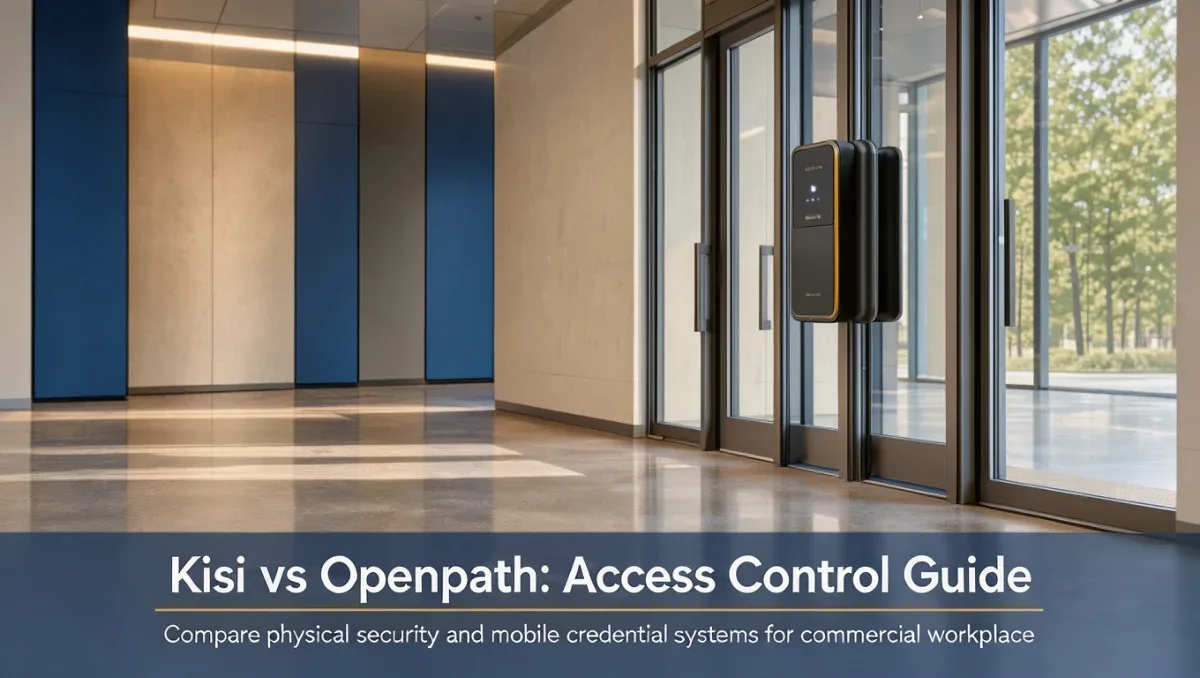
Picking a physical access control platform is one of the more consequential security decisions a commercial building team makes in 2026. kisi vs openpath is a common shortlist for operations leaders who want to retire mechanical keys and legacy proximity cards in favor of cloud-managed, mobile-ready entry. Both products manage door permissions, digital credentials and facility oversight without depending on aging on-premise servers.
Our editorial team looked at how each vendor handles credential lifecycle, reader and controller hardware, and multi-tenant administration, so you can weigh the trade-offs before committing budget. The right answer depends less on brand reputation and more on your perimeter layout, the locking hardware already installed and the way your staff and visitors expect to get through doors.
Quick take: Kisi tends to suit teams that want clean native hardware and straightforward control over internal office doors, scoring 8.3/10 in our review. Openpath tends to suit facilities that need flexible reader architecture across varied commercial properties, scoring 8.4/10.
| Evaluation Metric | Kisi | Openpath |
|---|---|---|
| Top App Review Sites score | 8.3/10 | 8.4/10 |
| Best for | Growing offices, modern commercial spaces and multi-location businesses that want unified credential issuance. | Commercial real estate, multi-tenant corporate buildings and enterprise operations that need retrofittable door hardware. |
| Core focus | Digital credential distribution, door scheduling and streamlined administrative oversight. | Touchless entry, high-density physical security management and scalable enterprise reader deployments. |
| Consider if | You want one ecosystem for internal staff permissions across office doors. | You manage large properties with mixed turnstiles, elevators and legacy controller infrastructure. |
How Top App Review Sites Evaluated the Two Platforms
Our comparison looks at what each platform is designed to do, who it serves and how to choose between them. We scored both on seven criteria: features, ease of use, pricing and value, integrations, audience fit, support and competitive position. Plans, pricing and hardware limits change frequently, so treat our notes as a starting point and confirm current details on each vendor's official website before buying. This article was researched and drafted with AI assistance, then reviewed and edited by the Top App Review Sites Editorial Team.
Where Kisi and Openpath Differ in Focus
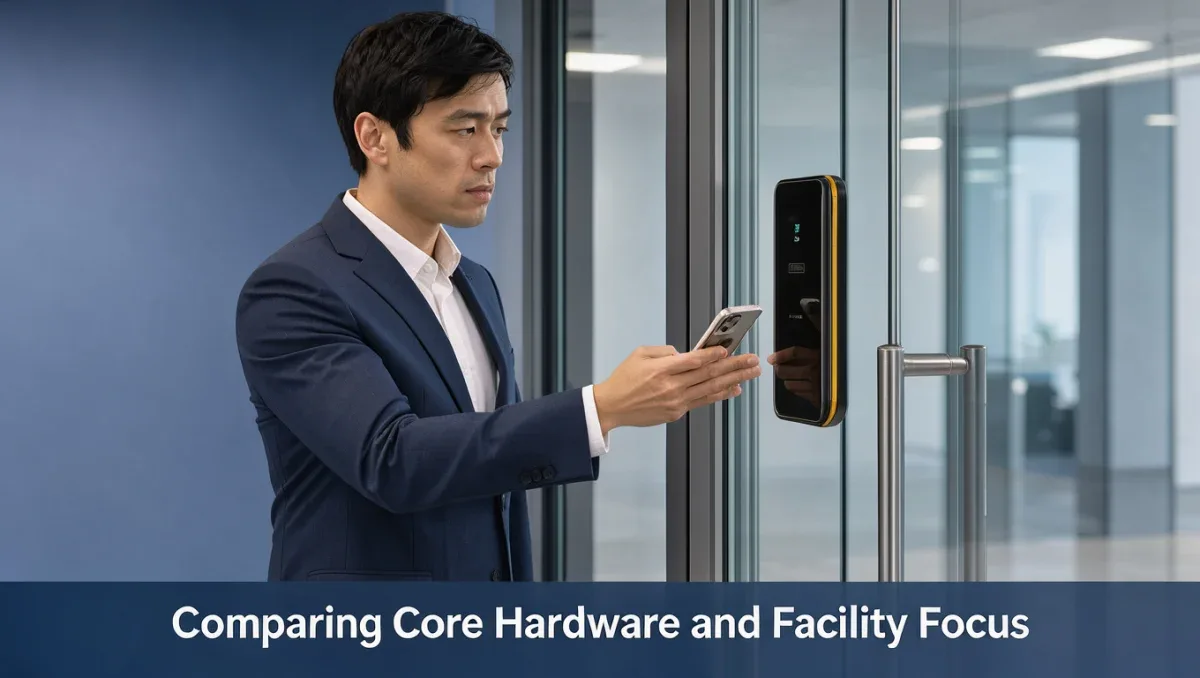
Kisi is built around an integrated access management system for commercial facilities, coworking locations and modern corporate headquarters. Its central goal is letting administrators issue digital badges, schedule unlock windows and monitor entry activity from a single console. Teams running contemporary Office Software stacks often adopt Kisi to replace physical keycards with smartphone credentials for everyday entry.
Openpath is positioned around flexible hardware and touchless entry across complex campuses and multi-tenant commercial real estate. It stresses retrofitting existing wiring and working with commercial locking points such as turnstiles, parking gates and elevator controls. Facility directors managing high-volume transit points often find Openpath's reader compatibility a deciding factor.
- Kisi emphasizes unified management across corporate suites and distributed collaborative workspaces.
- Openpath focuses on versatile physical deployment across commercial real estate, parking infrastructure and entry turnstiles.
- Both address the common problem of lost physical keys by offering digital authorization and instant credential revocation.
Which Platform Fits Your Situation

Matching the tool to your actual workplace layout helps you avoid installation bottlenecks later. Use this guide to line up your operational requirements with the right model.
| Situation | Choose Kisi if | Choose Openpath if |
|---|---|---|
| Equipping a newly built office space | You prefer clean reader designs and direct digital pass issuance for employees. | You need reader form factors suited to high-throughput entry lobbies. |
| Upgrading a multi-tenant building | Your main concern is managing tenant suite doors and meeting rooms. | You must unify elevator dispatch, turnstile barriers and shared lobby gates on common controllers. |
| Managing distributed company hubs | You want central control to assign temporary access across several branches. | You need localized hardware overrides across independent building management systems. |
| Handling mixed card and mobile preferences | Your policy favors standardizing staff on smartphone credentials. | Your facility must support legacy proximity fobs and wave-to-unlock entry at the same time. |
| Retrofitting existing door strikes and wiring | Your setup uses straightforward low-voltage locks on standard doors. | Your installation requires compatibility with varied legacy controller panels and wire runs. |
How to Compare Them Yourself
Physical access control combines management software with low-voltage wall hardware, so a rigorous evaluation is worth the effort before you commit capital. Use the criteria below during sales calls and product walkthroughs to see how each option fits your infrastructure.
Core access control features
Ask each vendor to show exactly how administrators manage door schedules, visitor passes and credential revocation. During demos, request a walkthrough of issuing a two-day guest badge or restricting access during weekends. Check how lock schedules propagate across network controllers when an emergency lockdown is triggered.
Ease of use and mobile credential issuance
Access systems only succeed when employees can get into their workspace without repeated technical problems. Test how quickly an administrator can invite a new staff member by email, and note the steps the end user must complete to unlock a door. Compare how responsive mobile unlocking is when approaching a reader from several paces away.
Pricing and ongoing service value
Access control costs come from several sources: reader hardware, controller panels, professional installation and recurring per-door subscription fees. Request a formal line-item quote from each vendor that separates hardware from platform licensing. Confirm whether firmware updates and administrator seat management carry extra charges.
Third-party software integrations
Door management platforms need to connect with identity providers, employee directories and camera systems. Review the official integration directories for both vendors to confirm compatibility with your single sign-on setup and video surveillance tools. Verify whether event logs can sync with external security monitoring without manual exports.
Audience fit and installation scale
Decide whether your internal IT team or a third-party security integrator will handle installation. Some organizations prefer standardized hardware bundles for quick office rollouts, while large campuses need panels that can drive many relays. Match each vendor's hardware ecosystem to your floor plan.
Technical support and field service
When an exterior entry door fails to unlock, fast support protects business continuity. Ask each provider in writing about emergency service availability, hardware warranty terms and replacement procedures for damaged readers. Confirm whether you get direct help or whether troubleshooting must go through an authorized local installer.
Competitive positioning
Consider where each vendor is heading. Are its roadmap priorities focused on workplace software tools or on high-density institutional perimeter protection? Align the provider's technical direction with your long-term facility plans.
Cost Checklist for Both Tools
Budgeting for access control means verifying both hardware and recurring software fees. Many platforms bill per door or per reader on an annual subscription basis, so check the items below on each vendor's pricing page or sales documents before signing.
| Cost item | Ask about Kisi | Ask about Openpath |
|---|---|---|
| Controller and reader hardware | Confirm on the official Kisi website the exact price per door controller and reader model for your entry count. | Confirm through authorized Openpath integrators the controller boards and reader styles that suit your locks. |
| Monthly or annual software license | Confirm how subscription fees are calculated: per door, per location or per active credential holder. | Confirm the tier structure for cloud administration and whether multi-site management requires higher licensing. |
| Mobile credentials and user fees | Confirm whether smartphone passes add recurring cost as your workforce grows. | Confirm whether high-volume badge issuance or visitor passes trigger extra administrator seat fees. |
| Professional low-voltage installation | Confirm whether you can use any certified low-voltage electrician or must work with an authorized partner. | Confirm local certified integrator labor rates for door strike wiring, backup power and reader wall plates. |
| Video integration licensing | Confirm whether linking camera feeds to the access log requires a higher software tier. | Confirm whether external video management connectors carry separate monthly gateway charges. |
How to Decide
Choosing commercial access infrastructure works best as a structured process. Follow these five steps to compare Kisi and Openpath with confidence.
- Audit your physical doors and note which use standard mortise locks, electric strikes, magnetic locks, overhead gates or turnstiles.
- Identify which identity provider or HR directory must sync with employee access records.
- Schedule sales presentations and hardware demonstrations with engineers from both vendors.
- Get formal installation estimates from at least two certified low-voltage integrators experienced with cloud door controllers.
- Test the mobile unlock workflow with a live sample reader kit to measure how quickly staff get through.
Frequently Asked Questions
Which system handles retrofitting older commercial hardware better?
Openpath is often chosen for complex retrofits because its controllers and readers are engineered to work with a wide range of legacy wiring, existing power supplies and turnstiles. Kisi can also retrofit standard low-voltage locks, but facility managers should confirm existing wire gauge and reader box dimensions with a professional installer before buying.
What should administrators check about credential management?
Verify how each platform handles bulk onboarding, single sign-on synchronization and automatic credential revocation when staff leave. The official documentation for both vendors shows how directory groups map to specific doors, which can save your IT team hours of manual card assignment.
How do door controllers keep working during an internet outage?
Both platforms use local controllers with internal memory that retain permissions, credential databases and event logs even if wide-area connectivity drops. As long as local power is available, authorized staff can keep entering, and stored records sync back to the cloud platform once the connection returns.
Can third-party security cameras connect to these platforms?
Many access platforms link door events to IP camera feeds, so administrators can review footage when a door unlocks or stays open past an allowed threshold. Check the official partner directories for each vendor to confirm your video management software or camera provider is supported without custom engineering.
Final Verdict
Both Kisi and Openpath are dependable choices for replacing mechanical keys and aging proximity readers. Your decision should follow whether your facility needs straightforward office door management or the hardware flexibility to retrofit complex multi-tenant buildings.
| Criterion | Kisi score /10 | Openpath score /10 | Reason |
|---|---|---|---|
| Features | 8.2 | 8.5 | Openpath supports a wider range of commercial barriers, while Kisi delivers focused digital credential distribution. |
| Ease of Use | 8.7 | 8.1 | Kisi offers a simpler administrative interface, while Openpath accommodates more complex engineering setups. |
| Pricing and Value | Confirm before buying | Confirm before buying | Confirm on each official sales portal how per-door controller costs and recurring subscriptions are structured. |
| Integrations | Confirm before buying | Confirm before buying | Confirm on official partner pages which identity platforms and camera systems connect natively. |
| Audience Fit | 8.5 | 8.6 | Kisi suits modern private offices and coworking suites; Openpath suits complex commercial properties and multi-tenant assets. |
| Support | Confirm before buying | Confirm before buying | Confirm warranty response timelines and certified installer availability directly with vendor representatives. |
| Competitive Position | 7.8 | 8.4 | Openpath offers broad physical versatility across commercial real estate, while Kisi keeps a clean, office-centric focus. |
| Overall score | 8.3/10 | 8.4/10 | Average across the evaluated criteria, reflecting each platform's positioning. |
Organizations running modern single-tenant offices, shared collaborative spaces or regional branches will likely appreciate Kisi's straightforward software management and clean credential experience. Property managers overseeing high-throughput lobbies and enterprises with complex turnstile and elevator setups should look closely at Openpath for its adaptable readers and retrofit flexibility.
Have a question about choosing software? Send it to the Top App Review Sites team through our contact page, or follow Top App Review Sites on LinkedIn for new reviews and comparisons.