topappreviewsites may earn a commission when you buy through links on this page, at no extra cost to you. This does not affect our ratings.
Many health practitioners moving to paperless record-keeping ask how to write charts with Jane App without losing time to paperwork. A well-organized charting routine captures patient progress clearly and cuts the administrative load at the end of each day. At Top App Review Sites, we test operational software to help clinic teams standardize daily work.
Charting in practice management software depends on clear clinical boundaries, structured intake data, and a consistent sign-off process. Once you know how to write charts with Jane App, solo practitioners and multi-disciplinary teams can stay compliant while keeping notes readable, unified, and easy to review over time.
Quick answer: Charting in Jane App means preparing intake details, choosing or building a standard clinical template, recording subjective and objective findings during or right after the visit, and signing the entry to finalize the legal medical record.
| Who this guide is for | What you need before starting | What you will have at the end |
|---|---|---|
| Allied health practitioners, therapists, and clinic managers | Patient intake records, treatment plans, and professional documentation requirements | A signed, secure, and compliant electronic chart entry |
1. How Top App Review Sites Put This Guide Together
This guide blends what the software is built to do with the Top App Review Sites buying framework, so you can make the decision that fits your business. Plans, prices, and limits change often, so we flag what to confirm on the official website before you buy. This article was researched and drafted with the help of AI tools, then reviewed and edited by the Top App Review Sites Editorial Team.
2. Before You Start
Before creating a single chart entry, clinic staff should assemble the necessary administrative foundations. Digital record systems depend on clean background details so treatment records stay legally sound and organized across multi-session care plans.
- Completed patient intake questionnaires, consent agreements, and medical history documents.
- Standardized billing and diagnostic codes appropriate for your healthcare discipline and local jurisdiction.
- Agreed clinic charting conventions, including standardized acronyms and progress note formats such as SOAP or narrative styles.
- Verified administrative permissions so your user profile can author and sign clinical files.
3. Step-by-Step Workflow
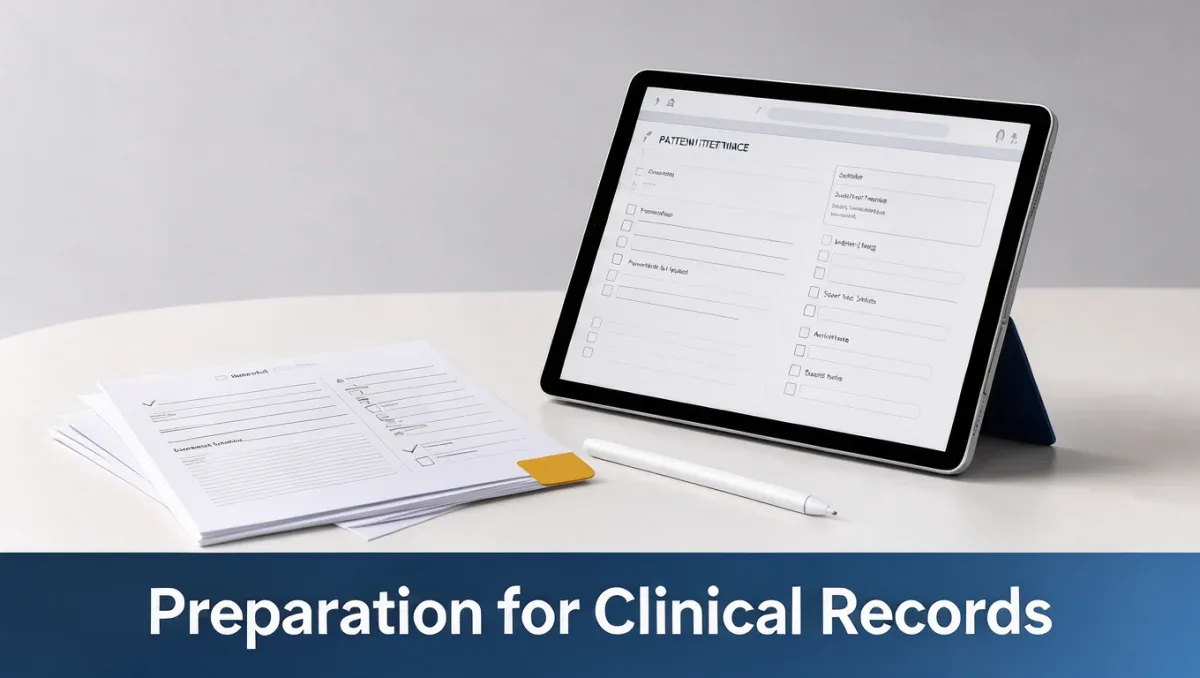
Effective charting requires a repeatable process that flows naturally with patient interaction. Review the official documentation from the provider to confirm technical configurations, then follow these professional charting steps.
- Verify patient identification and appointment context: Confirm the patient chart matches the current visit date and booking profile to prevent mismatched treatment records.
- Choose an appropriate template structure: Select a chart layout configured for your discipline, whether a standard subjective-objective assessment plan or a specialized narrative questionnaire.
- Transcribe subjective updates and objective measures: Document the symptoms the patient reports alongside physical observations, range of motion tests, or therapeutic interventions performed during the appointment.
- Formulate assessment notes and treatment goals: Summarize clinical insights from the session, detailing how the patient is progressing toward functional targets.
- Outline the future care plan: Detail specific home exercises, referral recommendations, and scheduling intervals for subsequent appointments to maintain continuous care.
- Sign and lock the record: Finalize the document through the electronic signature action to protect record integrity and prevent unauthorized post-session changes.
4. Your First 30 Days
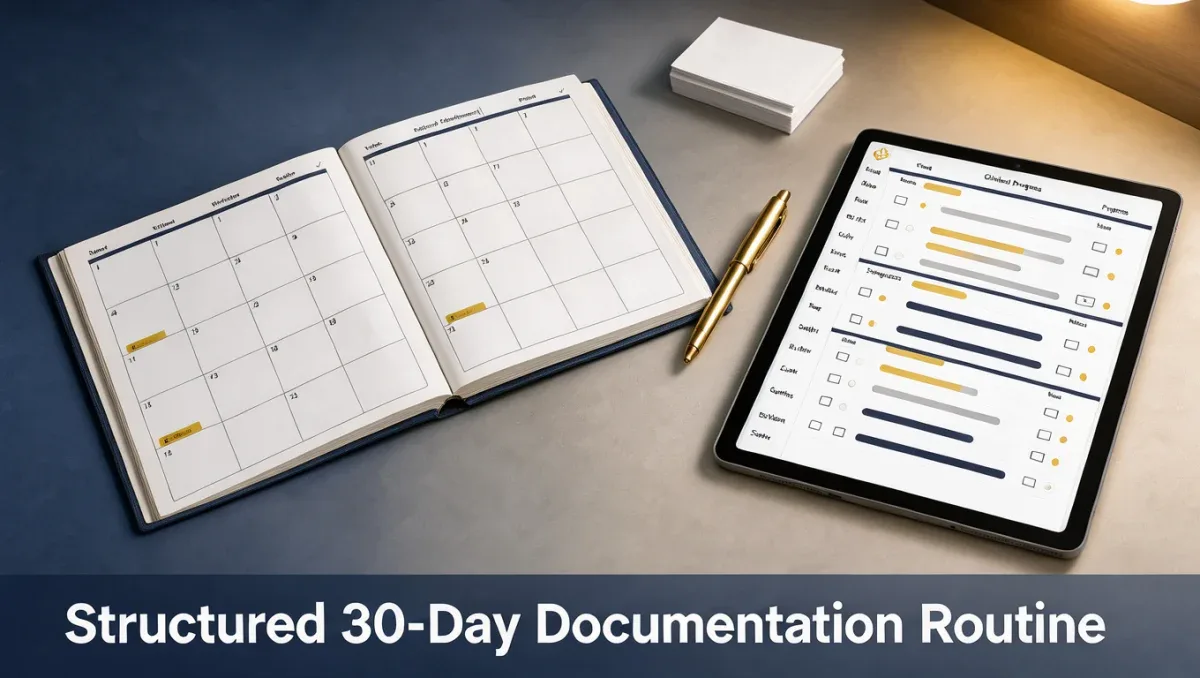
Building good habits early keeps chart completion from turning into late-night documentation debt. The Top App Review Sites editorial team recommends following a structured schedule during your first operational month.
| Week | Routine to build | Why it matters |
|---|---|---|
| Week 1 | Assemble core templates aligned to standard visit types | Prevents retyping common diagnostic prompts and speeds up entry creation |
| Week 2 | Practice closing charts within thirty minutes of session conclusion | Maintains recall accuracy while treatment observations are fresh |
| Week 3 | Audit historical notes for consistent phrasing and coding | Ensures compliance standards are met across different practitioners |
| Week 4 | Review chart export and external sharing readiness | Verifies notes are legible for insurer inquiries or legal medical transfers |
5. Common Mistakes and How to Avoid Them
Clinicians managing digital documentation often run into hurdles that reduce note clarity or create administrative backlogs. Paying attention to everyday practice routines helps prevent these setbacks.
- Leaving charts in draft status: Failing to complete electronic signatures creates compliance risks and leaves entries open to inadvertent changes.
- Overloading notes with repetitive boilerplate: Copying excessive unedited text across recurring sessions dilutes meaningful observations and obscures actual patient progress.
- Neglecting specific objective tracking: Relying purely on narrative impressions without recording concrete metrics makes defending ongoing medical necessity difficult during audits.
- Disregarding patient communication preferences: For clinics that prioritize patient interaction and Customer Service, missing personalized notes can weaken practitioner-client rapport over multiple visits.
6. When to Ask for Help
While electronic charting provides structure, some situations call for outside help or administrative coordination. Knowing when to seek guidance keeps clinic operations running smoothly.
- Discipline-specific regulatory questions: When unsure about required retention terms or legal signature criteria, consult your regional professional association or a healthcare legal specialist.
- Complex billing code mapping: If third-party insurer audits challenge clinical note descriptions, work with a professional medical billing specialist to harmonize documentation terminology.
- System configuration challenges: If template sharing among clinic associates fails or practitioner signing roles appear misconfigured, consult the official Jane App knowledge base or contact vendor support for administrative setup advice.
7. Frequently Asked Questions
How long does it take to complete clinical notes for each session?
Completion time varies with session complexity and the structure of your clinical templates. Practitioners who set up focused prompts often finish charting in five to ten minutes per appointment. Standardized templates for initial consultations versus routine follow-up visits significantly reduce charting time while keeping clinical thoroughness across busy treatment days.
What should a practitioner do if an error is noticed after signing a chart?
Medical documentation regulations prohibit deleting or altering finalized healthcare records. When corrections are needed after signing, standard practice requires adding a signed clinical amendment or addendum. This attachment clearly identifies the modification, states the reason for the update, and records the current timestamp alongside the original entry.
Can chart templates be shared across multiple practitioners within a clinic?
Multi-practitioner clinics often share chart structures to keep treatment recording uniform across the facility. Clinic managers typically establish master templates tailored to specific treatment modalities, so incoming practitioners can maintain record consistency. Individual clinicians can confirm template sharing options directly within their organizational settings on the official platform.
Are digital signatures necessary for legal record-keeping compliance?
Most professional licensing boards and commercial insurance payers require verifiable signatures to authenticate clinical authorship. An unsigned chart generally remains classified as an incomplete working draft, which can jeopardize insurance reimbursements during documentation reviews. Signing charts promptly after each session supports adherence to regulatory standards across healthcare specialties.
8. Next Steps
Reliable charting routines improve both patient care continuity and clinic peace of mind. Taking deliberate steps over the coming days will strengthen your workflow.
- Audit your current clinical template prompts to ensure they capture required professional licensing data.
- Establish a daily routine where every chart note is completed and signed before leaving the clinic.
- Confirm account permissions and privacy settings directly on the official Jane App website to align with regional standards.
- Review charting procedures quarterly with fellow practitioners to keep documentation habits clear and uniform across the organization.
Have a question about choosing software? Send it to the Top App Review Sites team through our contact page or follow Top App Review Sites on LinkedIn for new reviews and comparisons.