Some links on this page may earn topappreviewsites a commission when you buy through them, at no extra cost to you. This does not affect our ratings.
Choosing between these two platforms comes down to a simple question: are you trying to cut down on internal meetings, or do you need deeper visibility into customer calls? Both tools record and organize conversations, but they were built for different teams and different business pressures. At topappreviewsites, our goal is to give decision-makers clear criteria so they can pick the platform that matches how their people actually work.
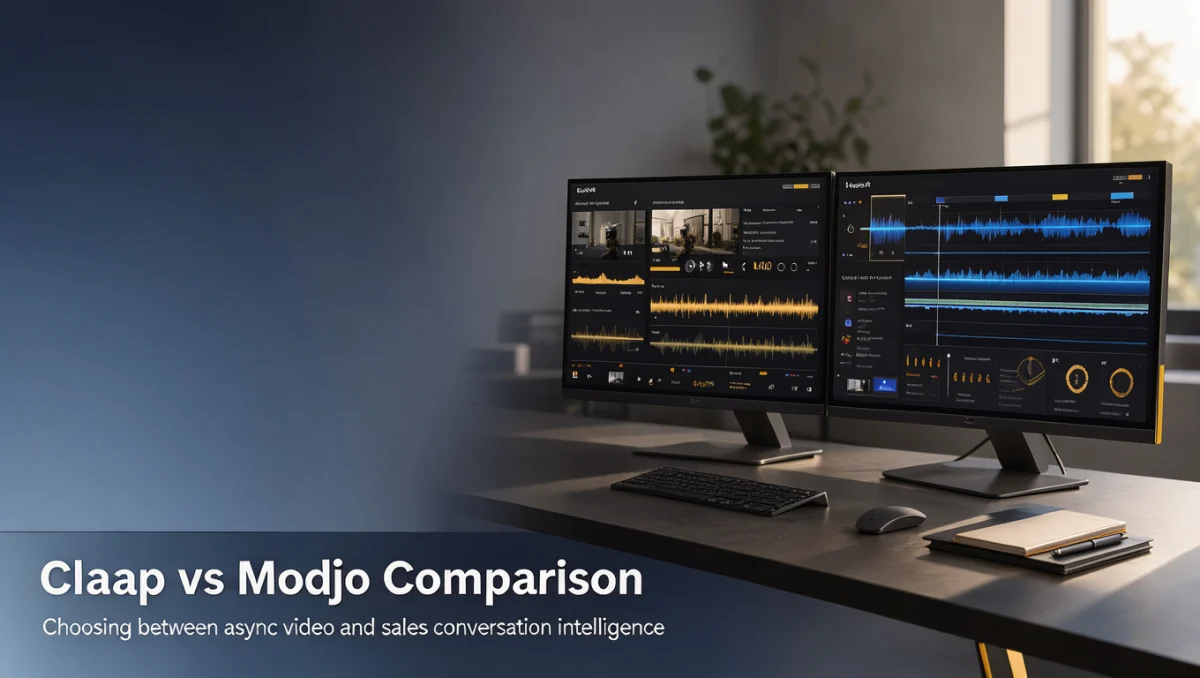
Claap is geared toward screen recordings, meeting summaries, and threaded feedback that help departments communicate without scheduling yet another call. Modjo, by contrast, focuses on capturing and analyzing customer-facing sales conversations to surface business insights. Both serve modern knowledge workers, yet they remove very different sources of friction inside an organization.
Quick verdict: with a topappreviewsites score of 8.0/10, Claap suits teams that want to replace status meetings with asynchronous video and annotations, while Modjo suits commercial teams focused on pipeline visibility, deal execution, and rep coaching. Neither is a strong match for a solo freelancer who only needs basic screen capture without collaboration features.
| Metric | Summary Details |
|---|---|
| topappreviewsites score | 8.0/10 |
| Best for | Cross-functional teams that want asynchronous video updates, and revenue organizations that want structured sales call coaching. |
| Not ideal for | Solo operators who need simple individual screen capture without shared workspaces or sales call analytics. |
| Key strengths | Asynchronous video feedback, timeline annotations, sales call capture, and automated conversation intelligence. |
| What to check before buying | Confirm user tiers, conferencing compatibility, CRM connectivity, and seat minimums on each vendor's official site. |
1. How topappreviewsites Reviewed Claap vs Modjo
This review looks at what each tool is built to do, who it serves, and how it stacks up against similar products. We applied seven topappreviewsites criteria: features, ease of use, pricing and value, integrations, audience fit, support, and competitive position. Plans, prices, and limits change frequently, so we flag what to confirm on the official website before buying. This article was researched and drafted with AI assistance, then reviewed and edited by the topappreviewsites Editorial Team.
2. Short Answer: Claap vs Modjo at a Glance
The core difference lies in what each platform does with recorded media. Claap is an asynchronous video and meeting collaboration workspace that helps product, design, and engineering teams reduce calendar overload. Modjo is a conversation intelligence platform built for commercial teams that want to record, transcribe, and analyze sales interactions to improve close rates.
Buyers should start by locating their team's biggest friction point. If knowledge workers spend too many hours in internal alignment sessions, an asynchronous video tool offers direct relief. If sales managers lack visibility into customer objections, pipeline health, and rep performance during client calls, a conversation intelligence platform addresses that gap.
| Tool | Best for | Core strength | Consider if |
|---|---|---|---|
| Claap | Cross-functional product, marketing, and distributed teams | Asynchronous video sharing and contextual comment threads | Internal teams need to eliminate routine status meetings |
| Modjo | B2B sales teams, account executives, and revenue leaders | Customer conversation analysis and representative coaching | Commercial teams need visibility into deal progression |
For broader context on enterprise collaboration and communication software, readers can browse the independent evaluation directory at Top App Review Sites to compare category frameworks.
3. Core Differences Between Asynchronous Video and Conversation Intelligence
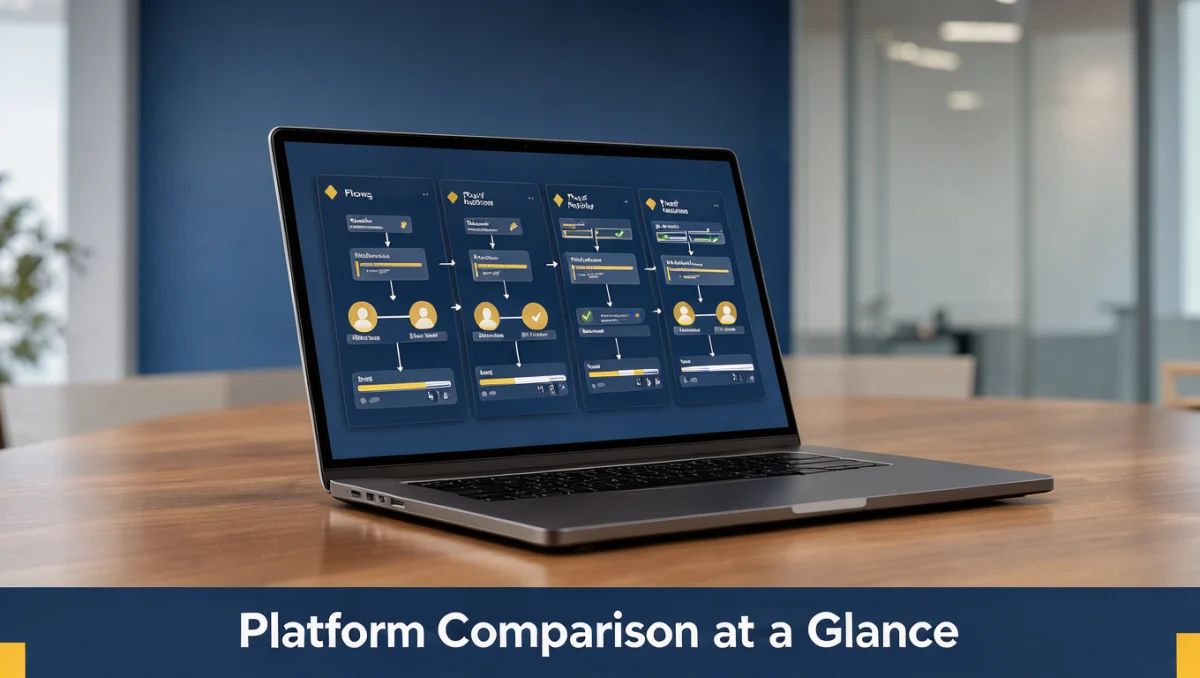
Asynchronous video platforms and conversation intelligence tools address different operational bottlenecks. Understanding how these two categories diverge helps avoid costly purchasing mistakes.
3.1. How Asynchronous Video Collaboration Works
Asynchronous tools let team members record their screens, share visual updates, and request feedback without needing to be online at the same time. Viewers watch short recordings on their own schedule and attach comments to specific timestamps.
This model suits distributed organizations spread across multiple time zones. Project managers can outline technical specs, designers can walk through prototypes, and developers can demonstrate bug reproductions without booking recurring meetings.
3.2. How Conversation Intelligence Works
Conversation intelligence software connects to scheduled phone and video calls with external clients. It records customer dialogues, generates automatic transcripts, and highlights recurring topics, competitor mentions, and common objections.
Sales leaders use these insights to coach junior representatives, evaluate script effectiveness, and gauge deal momentum across pipeline stages. The platform works mainly as an analytical engine for customer-facing conversations rather than an internal message board.
4. topappreviewsites Criteria Comparison
topappreviewsites applies a standard seven-criteria rubric to compare software across operational and commercial dimensions.
4.1. Features and Workflow Capabilities
Claap centers on recording desktop screens, capturing camera feeds, and organizing video channels for departmental documentation. Team members interact with recordings through clickable timeline markers, polls, and written comment threads. The platform also provides automated meeting summaries to capture notes from internal discussions.
Modjo focuses on commercial interaction tracking. It automatically ingests recorded customer calls, transcribes spoken dialogue, measures participant talk-time ratios, and tracks specific commercial keywords across pipelines. Managers build coaching playlists and scorecards to standardize review processes across sales reps.
4.2. Ease of Use and Team Onboarding
Claap requires minimal setup for general knowledge workers. Employees install a workspace extension or desktop utility and start recording screen walkthroughs with little training. The interface resembles modern consumer video apps, which helps distributed staff adopt it quickly.
Modjo involves a more structured rollout because it connects to the sales pipeline. Sales operations staff must configure recording permissions, sync customer relationship management fields, and set tracking rules for each sales stage. Individual reps typically find the daily call playback interface straightforward, but administrative governance requires deliberate planning up front.
4.3. Pricing and Value Considerations
Subscription models for communication software vary based on user type, recording volume, and governance tier. Buyers should confirm exact seat costs and minimum user thresholds on official pricing pages before presenting budgets to finance teams.
Many vendors distinguish between creators who record content and passive viewers who only watch recordings. For Claap, buyers should confirm on the official website whether viewer accounts carry a licensing cost. For Modjo, procurement teams should confirm administrative seat requirements and whether recording limits apply to the commercial call library.
4.4. Integrations and Workflow Connectivity
Connectivity determines whether recorded data flows smoothly into everyday routines. Teams should map their current software stack before choosing a vendor.
- Confirm video conferencing compatibility so scheduled client and team sessions are recorded automatically.
- Verify calendar synchronization to capture meetings without manual invitation steps.
- Check customer relationship management integration so sales transcripts sync directly to account records.
- Confirm team messaging connectivity so notifications reach active departmental channels.
4.5. Audience Fit and Team Alignment
Claap targets internal cross-functional groups such as product designers, engineering leads, product marketing managers, and distributed operations staff. These teams value visual context and time-shifted communication over real-time meetings.
Modjo targets revenue organizations made up of sales development representatives, account executives, customer success managers, and commercial enablement directors. These professionals need tactical insight into customer interactions to accelerate revenue.
4.6. Support and Implementation Guidance
Support access depends on contract level. Buyers should review official documentation to determine whether implementation help comes with the base subscription or only with enterprise agreements.
Teams adopting conversation intelligence platforms often need strategic onboarding to set coaching cadences and pipeline tagging schemes. Teams deploying asynchronous video tools typically rely on self-serve knowledge bases and help centers for everyday troubleshooting.
4.7. Competitive Position in the Workspace Stack
Claap competes in the growing asynchronous visual messaging and meeting collaboration space. Its positioning emphasizes lightweight team interaction, contextual feedback, and replacing unnecessary meetings with asynchronous video threads.
Modjo competes in the conversation intelligence and revenue enablement ecosystem. Its market position centers on sales coaching efficiency, commercial compliance, and giving revenue leaders pipeline visibility drawn from actual customer conversations.
5. How to Decide Between Claap and Modjo
Choosing between these two solutions means weighing organizational pain points, team responsibilities, and long-term administrative overhead. Follow this structured process to identify the right direction.
5.1. Departmental Priority Assessment
Start by identifying which department is sponsoring the purchase.
- Choose an asynchronous video workflow if the sponsor sits in product management, design, engineering, or distributed operations and wants to reduce internal meeting load.
- Choose a conversation intelligence workflow if the sponsor is a sales director, chief revenue officer, or commercial enablement manager aiming to improve win rates.
- Determine whether external client calls or internal alignment discussions will generate most of the recordings.
- Decide whether managers need coaching scorecards or simply timestamped comment threads.
5.2. Pre-Purchase Evaluation Checklist
Procurement teams should verify operational details on official vendor sites before signing an agreement.
| Verification Area | Why It Matters | Key Question to Research |
|---|---|---|
| Seat Licensing Rules | Total annual cost changes depending on who needs a paid license versus a viewing role. | Confirm whether passive viewers and commenters require paid licenses on official pricing pages. |
| Customer Relationship Integration | Sales coaching data must map accurately to accounts and opportunity records. | Verify which customer relationship management systems support automatic data sync. |
| Data Retention Policies | Video libraries consume significant storage and may need regulatory retention schedules. | Confirm storage limits and historical archiving terms for your workspace. |
| Administrative Governance | Enterprises need strict control over external sharing and recording permissions. | Check single sign-on availability and user role permissions on official product specification pages. |
6. Frequently Asked Questions
What business problem should determine the choice between these platforms?
Your main business objective should drive the decision. Choose asynchronous video software when your organization needs to reduce internal meeting fatigue and enable visual feedback across time zones. Choose conversation intelligence software when revenue leadership needs visibility into sales conversations, pipeline risks, and rep coaching opportunities.
Which team roles gain the most from each platform style?
Product managers, software developers, and UX designers see fast gains from asynchronous video by replacing alignment calls with recorded screen demos. Sales representatives, account executives, and revenue enablement managers benefit most from conversation intelligence that records client negotiations and surfaces deal insights.
How should an evaluation team verify integration compatibility before committing?
Check the official vendor integration directory to confirm direct compatibility with your video conferencing tools, team messaging systems, and customer databases. Verifying these details on the vendor website helps ensure automated workflows without custom engineering work.
What factors affect total cost of ownership beyond subscription rates?
Total cost includes user licensing, administrative setup, storage limits, and any onboarding fees. Buyers should review official pricing terms to see whether passive viewers need paid seats and whether advanced analytics require a higher tier.
Why might an organization adopt both categories of software?
Many enterprises run separate tool stacks for internal collaboration and external commercial engagement. A business might use asynchronous video across technical departments to tighten product feedback loops while running conversation intelligence within revenue teams to coach sales staff.
7. Final Verdict on Claap vs Modjo
Both Claap and Modjo deliver targeted value in modern workplaces, but they serve entirely different operational needs. Claap provides an accessible visual communication environment for teams aiming to reduce meeting volume and speed up internal design or product reviews. Modjo provides deep commercial oversight, pipeline analytics, and coaching structure for revenue organizations focused on acquisition and retention.
| Criterion | Score /10 | Reason |
|---|---|---|
| Features | 8.2/10 | Claap excels at visual feedback loops, while Modjo delivers commercial conversation intelligence. |
| Ease of Use | 8.8/10 | Asynchronous video capture requires very little training for general team members. |
| Pricing and Value | 7.4/10 | Buyers must check seat definitions and potential viewer licensing fees on official sites. |
| Integrations | 7.6/10 | Teams must confirm compatibility with their conferencing platforms and customer databases. |
| Audience Fit | 8.5/10 | Distinct functional focus creates a clear split between commercial and product teams. |
| Support | 7.2/10 | Implementation complexity varies, so buyers should verify onboarding terms on official pages. |
| Competitive Position | 8.0/10 | Both platforms hold focused positions within their respective workplace categories. |
| Overall score | 8.0/10 | A calculated assessment reflecting specialized strengths in async media and sales intelligence. |
For distributed engineering, design, and marketing teams, Claap offers the tooling needed to replace recurring meetings with concise asynchronous updates. For dedicated B2B sales teams that want systematic coaching and call analysis, Modjo is the more focused investment.
Readers with questions about enterprise software selection can reach the topappreviewsites team through the contact page at https://topappreviewsites.com/contact/, or follow topappreviewsites on LinkedIn at https://www.linkedin.com/company/topappreviewsites/ for ongoing software evaluations.
See More claap vs modjo · Artificial Intelligence