topappreviewsites may earn a commission when you buy through links on this page, at no extra cost to you. This does not affect our ratings.
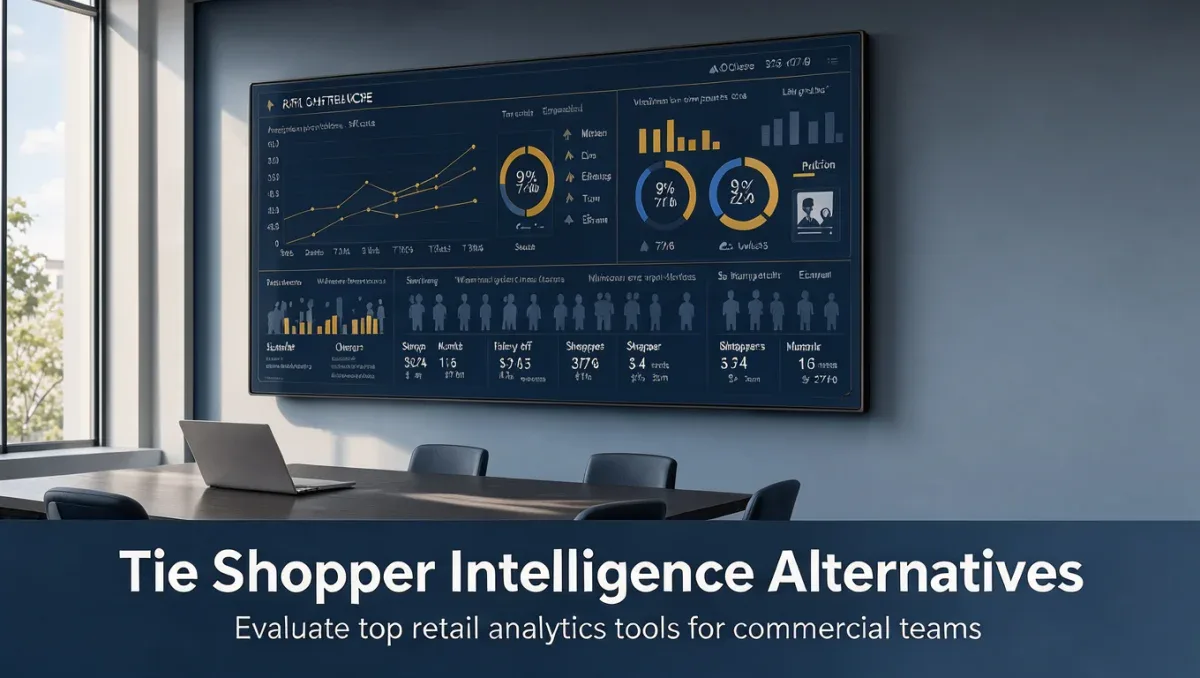
When your current analytics setup stops matching your commercial goals, it is worth looking at other tie shopper intelligence alternatives. Consumer packaged goods brands and retail teams often need clearer visibility into shopper behavior, basket metrics and market share movement. Today's commercial leaders weigh several research platforms to cover specific channels, map the buyer journey and connect insights to category management priorities. Here at Top App Review Sites, we assess enterprise research tools against consistent criteria to help teams find the right fit.
Choosing an analytics platform means checking how its data collection methods, reporting detail and cost model suit your team. Organizations comparing options typically ask whether they need syndicated checkout receipts, panel survey responses or automated shelf audits for everyday decisions.
Quick answer: Brands exploring alternatives often shortlist Numerator for omnichannel consumer panels, NielsenIQ for broad retail scan measurement and Circana for deep category tracking. Teams that need fast sentiment checks lean toward Morning Consult, while those requiring shelf execution visibility turn to Trax for near real-time retail monitoring.
| Alternative | Switch to it if | Main trade-off |
|---|---|---|
| Numerator | Your team needs verified omnichannel receipts and quick panel demographic insights. | You must confirm that your target niche retail channels have representative coverage. |
| NielsenIQ | Your organization prioritizes standardized point-of-sale scanning records across grocery channels. | Check minimum contract commitments and regional data latency. |
| Circana | Your team focuses on joint business planning with general merchandise and food retailers. | Broader coverage models can require extensive alignment with retail partner feeds. |
| Morning Consult | Your commercial group needs rapid consumer sentiment tracking and brand perception polling. | It does not provide point-of-sale scanner data or direct receipt reconciliation. |
1. How Top App Review Sites Built This Guide
This guide pairs what each software covered here is designed to do with the Top App Review Sites buying framework, so you can choose what suits your business. Plans, prices and limits change frequently, so we flag what to confirm on each official website before purchase. This article was researched and drafted with AI tools, then reviewed and edited by the Top App Review Sites Editorial Team.
2. Why Teams Look Beyond Tie Shopper Intelligence
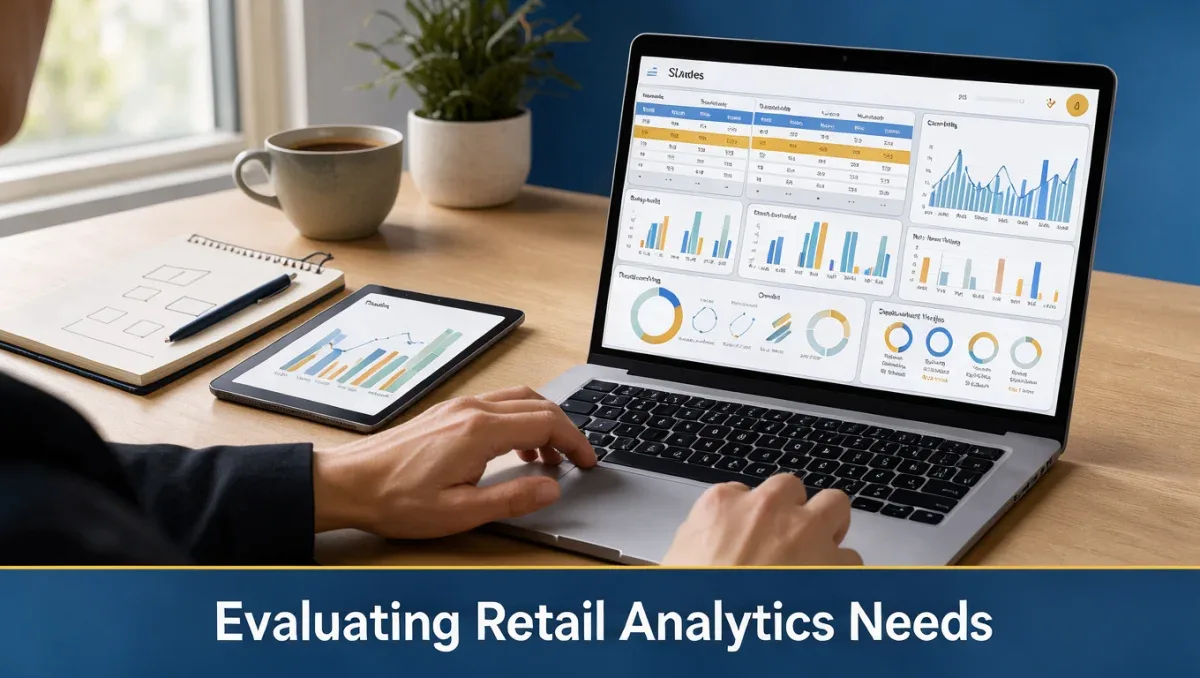
Commercial analytics tools play distinct roles within Sales and category planning departments. Buyers often explore alternatives when reporting needs shift, for example when expanding from specialty stores into mass retail, or moving from post-purchase receipt data to pre-purchase shopper intent surveys. Many platforms are built around specific retail partnerships or geographic coverage, so a single tool rarely satisfies every regional brand team.
Cost structures and operational complexity also prompt teams to review alternatives. Enterprise measurement vendors tie contracts to data volume, user seats and delivery cadence. When category managers find their workflow needs separate tools for shelf compliance or ecommerce tracking, consolidating or reallocating software budgets becomes a practical priority.
3. Switching Triggers
| Reason you want to switch | Type of alternative to consider | What to check first |
|---|---|---|
| Need for omnichannel receipt verification | Consumer panel platform tracking online and offline purchases | Confirm receipt sampling methods and regional sample sizes on the provider's portal. |
| Desire for standardized grocery scan coverage | Syndicated point-of-sale measurement platform | Review retailer participation lists directly with vendor representatives before signing. |
| Focus on in-store visual execution | Computer vision retail audit platform | Examine store visit frequency and audit turnaround schedules in service agreements. |
| Need for rapid shopper sentiment polling | High-frequency public opinion and consumer tracking suite | Confirm panel demographic weighting methods and survey turnaround guidelines. |
4. The Alternatives
4.1. Switch from Tie Shopper Intelligence to Numerator if you need omnichannel receipt panel tracking
Numerator focuses on consumer panel tracking using digital and physical receipts to monitor purchase frequency, household demographics and cross-channel switching. Teams move to it when they need visibility into both traditional grocers and emerging online delivery services. The main trade-off is confirming that niche product categories keep statistically valid sample sizes in your key operating regions. Verify reporting lag and panel size criteria directly on the official Numerator site before planning any data pipeline change.
4.2. Switch from Tie Shopper Intelligence to NielsenIQ if you require broad syndicated retail scanning
NielsenIQ specializes in point-of-sale scanning measurement, tracking unit sales, dollar volume and distribution trends across brick-and-mortar networks. Organizations transition to it when preparing category reviews that require standardized scan data accepted by national supermarket chains. The primary trade-off is contract scope, since point-of-sale data often comes with fixed subscription boundaries. Confirm your required product hierarchies and delivery schedules on the official NielsenIQ website.
4.3. Switch from Tie Shopper Intelligence to Circana if you manage cross-industry retail collaborations
Circana tracks markets across food, beverage, general merchandise and specialty retail, helping teams plan joint business strategies with major retail partners. Brands switch when category management programs need store scan records and consumer purchasing habits viewed together. The operational trade-off is managing complex data dictionaries across diverse product lines. Check retailer inclusion lists and data refresh schedules on the official Circana website to align with your commercial calendar.
4.4. Switch from Tie Shopper Intelligence to Morning Consult if your focus is consumer sentiment
Morning Consult delivers daily survey polling and consumer sentiment intelligence, tracking brand reputation, economic outlook and purchase intentions. Teams choose it when strategic marketing decisions depend on forward-looking sentiment rather than historical transaction totals. The clear trade-off is the absence of point-of-sale transaction records. Verify survey sample sizes, question customization options and demographic segmentation parameters on the official Morning Consult platform.
5. How to Switch Without Losing Data
- Export historical category baselines, raw monthly reports and established metric definitions from your incumbent platform to preserve historical records.
- Standardize product hierarchies, universal product codes and retail calendar definitions across internal databases to prevent reporting breaks.
- Run both platforms in parallel across two reporting quarters to identify methodology differences between legacy indices and new vendor figures.
- Hold cross-functional training sessions with category managers and trade marketers so internal teams learn the new reporting terminology.
- Update presentation templates and retailer review decks to reflect the new vendor data conventions and sourcing disclaimers.
6. Frequently Asked Questions
6.1. When should a brand keep its current Tie Shopper Intelligence setup?
Stay with your current deployment when established retail partners specifically require its reporting framework for joint business reviews. If existing dashboards reliably answer your weekly category planning questions without gaps, keeping established workflows avoids re-benchmarking costs.
6.2. How much administrative effort does changing consumer data vendors require?
Switching analytics vendors demands significant coordination between sales operations, category management and data engineering teams. Teams must align product definitions, reconcile historical trends and train staff on new dashboards, which usually takes several weeks of deliberate transition work.
6.3. What should you prepare before ending an existing retail intelligence contract?
Archive all accessible historical reports, contractual baseline documentation and custom segment taxonomies according to your data retention rights. Confirm the exact termination window and clarify data ownership clauses in the official service contract before issuing formal notice.
6.4. Can consumer receipt panel platforms fully replace store scanning data?
Consumer panels and point-of-sale scanners answer different business questions. Receipt panels reveal buyer demographics, trip frequency and cross-retailer leakage, whereas scanner data offers census-level precision on total volume and distribution velocity. Many organizations combine both rather than treating them as interchangeable.
7. Bottom Line
Choosing among tie shopper intelligence alternatives means matching your commercial requirements to each vendor's measurement strengths. Teams focused on shopper demographics and cross-channel receipt flows often find strong alignment with consumer panel platforms like Numerator. Organizations whose retailer relationships depend on standardized supermarket scanner data benefit from traditional point-of-sale syndication through NielsenIQ or Circana.
Before signing a multi-year analytics agreement, request sample category extracts and evaluate data delivery formats alongside your internal analysts. Confirm licensing terms, data refresh frequencies and seat thresholds on each official provider website to ensure the platform fits your budget and analytical goals. Have a question about choosing software? Reach the Top App Review Sites team through our contact page, or follow us on LinkedIn for new reviews and comparisons. Explore more in our Sales category.