topappreviewsites may earn a commission when you buy through links on this page, at no extra cost to you. This does not affect our ratings.
Online merchants often look at sendcloud features when they want one place to manage orders, print labels, and handle returns across several couriers. The question is usually whether the platform's multi-carrier options fit their cross-border shipping needs and daily packing routine. In this review, we look at how the software tackles common shipping bottlenecks and which details you should confirm on official channels before subscribing.
Order imports, status updates, and domestic or international dispatch all shape how much margin a growing store keeps. Picking a shipping tool means weighing workflow complexity against your weekly parcel volume and carrier preferences. Below, we cover capabilities, user fit, and purchasing considerations for merchants planning their fulfillment setup in 2026.
Quick verdict: Rated 7.7/10 overall, this platform suits online retailers and expanding web stores that want coordinated label printing, tracking alerts, and self-service return portals. It is a poor match for hobbyists who ship occasional one-off parcels, or for businesses that need heavy custom freight handling without carrier agreements.
| Metric | Details |
|---|---|
| topappreviewsites score | 7.7/10 |
| Best for | Merchants who want unified label creation, multi-carrier management, and automated return workflows |
| Not ideal for | Occasional private shippers, or businesses handling mainly heavy non-standard freight |
| Key strengths | Consolidated label generation, branded tracking communication, and customer-facing return management |
| What to check before buying | Confirm carrier availability in your origin country and verify plan limits on the official Sendcloud website |
1. How topappreviewsites Reviewed Sendcloud
This review examines what Sendcloud is built to do, who it serves, and how it stacks up against similar tools. We applied seven topappreviewsites criteria: features, ease of use, pricing and value, integrations, audience fit, support, and competitive position. Plans, prices, and limits change frequently, so we flag what to confirm on the official website before buying. This article was researched and drafted with the help of AI tools, then reviewed and edited by the topappreviewsites Editorial Team.
2. What Is Sendcloud and Who Is It for
Sendcloud is an e-commerce shipping platform that connects online store systems with several parcel carriers to manage outbound packages and customer returns. It mainly serves independent e-commerce brands, growing retail operations, and international web merchants that need labels printed quickly and fulfillment coordinated across domestic and cross-border carriers.
Handling parcel logistics by hand across separate carrier dashboards eats up staff hours and introduces address errors. Tools in this category pull order data directly from sales channels, apply preset shipping methods, and push status updates back to the storefront. Linking logistics into your broader Customer Service approach also means buyers receive proactive notifications instead of contacting support just to ask where their order is.
3. Core Sendcloud Features and Fulfillment Capabilities
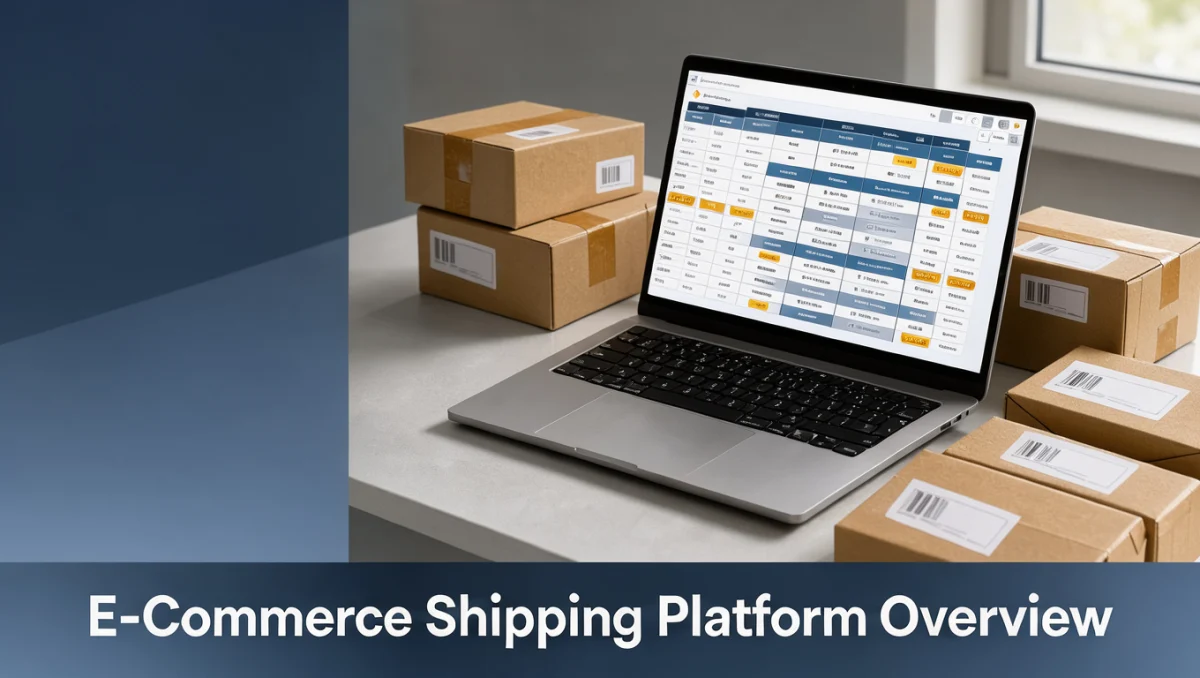
Knowing the main functional groups helps a merchant team decide whether the system fits its packing workflow and customer retention goals. The platform organizes operations around label automation, carrier connectivity, tracking visibility, and parcel returns.
Shipping Label Generation and Packing Automation
Label creation is the core operational function. Once customer orders sync from your sales channels, the system converts order details into standardized shipping labels formatted for thermal printers or standard desktop sheets.
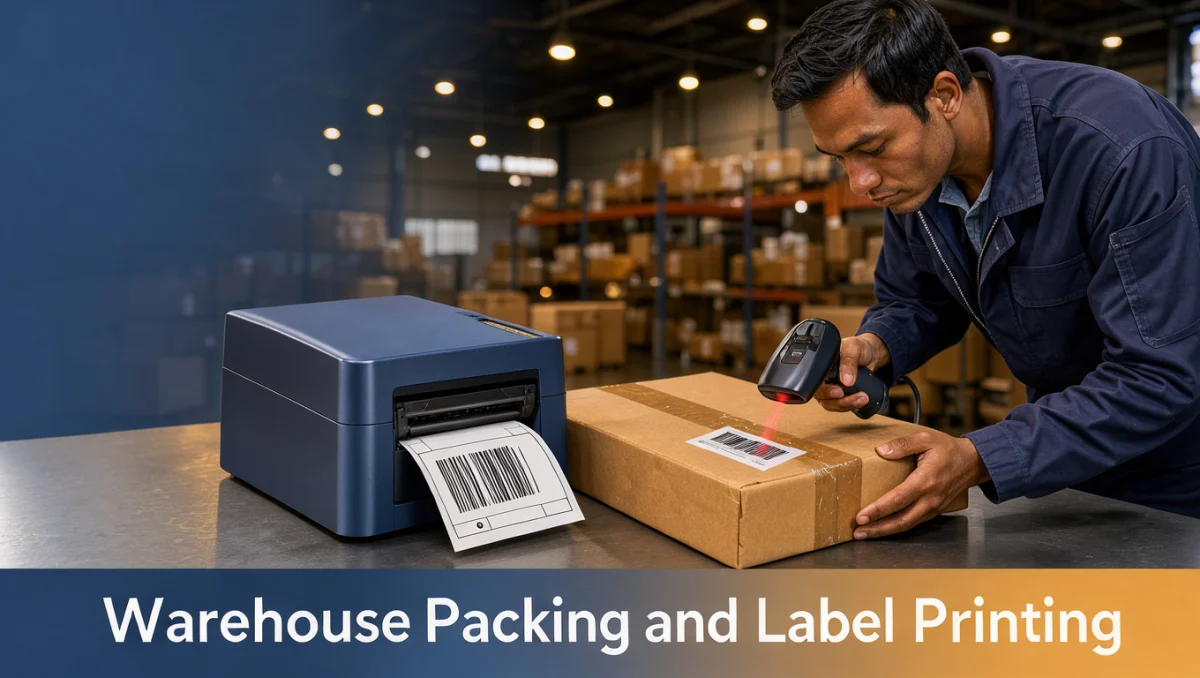
Warehouse staff can scan packing slips or pick lists to generate matching labels right away. Shipping rules can assign delivery options based on destination country, weight class, or preferred parcel dimensions, which cuts manual carrier selection errors during busy packing periods.
Multi-Carrier Management and Routing
Connecting several delivery services lets merchants offer shoppers different delivery speeds, drop-off options, or local shipping partners. The platform supports label purchases through consolidated vendor contracts, and companies can also link their own direct commercial carrier agreements.
Multiple carriers add flexibility when a local disruption hits one courier network. Merchants can shift routing between standard parcel couriers, express services, or parcel shop networks without retraining fulfillment staff on separate courier portals.
Branded Tracking and Delivery Notifications
Once packages leave the dispatch area, post-purchase communication keeps shoppers informed about transit milestones. The system generates tracking pages and automated email updates styled to match the merchant's brand, replacing generic courier tracking links.
Branded tracking pages also give you room to show care instructions, support contact forms, or promotions while easing delivery anxiety. Buyers check tracking repeatedly, so reliable milestone messages help maintain confidence throughout transit.
Self-Service Return Management and Portals
Returned inventory often strains customer care teams. The software offers a self-service return portal where shoppers enter an order number, select a return reason, and generate a prepaid or customer-paid return label.
Warehouses receive advance notice of inbound returns, so restocking teams can plan for arrivals. Return rules can specify whether customers pay return shipping or receive free return vouchers, depending on product category or customer location.
4. Ease of Use and Learning Curve
Adopting fulfillment software means training warehouse workers, packing staff, and customer service personnel. The platform provides a straightforward admin layout where incoming orders appear in structured queues, ready for validation and label generation.
Initial setup involves linking sales channels, setting default parcel sizes, and choosing preferred courier contracts. Basic label generation can be learned during onboarding, but building conditional shipping rules and multi-country routing logic takes careful attention. Shipping managers should budget enough setup time to test label printers, check packing slip formatting, and run sample dispatches before sending full daily order volume through the system.
5. Pros and Cons of Sendcloud
Weighing any logistics software means comparing its operational advantages against its functional limits:
- Unified parcel management: Brings multi-channel orders into one interface to speed up packing and dispatch.
- Flexible carrier handling: Lets you combine vendor-supplied delivery rates with direct corporate courier contracts.
- Automated customer updates: Keeps shoppers informed through branded tracking pages and status notifications.
- Return automation: Simplifies return label generation through dedicated buyer-facing return portals.
Operational limitations to consider include:
- Regional carrier focus: Courier availability varies a lot by dispatch origin, so buyers must confirm partner coverage in their region.
- Configuration overhead: Setting up detailed multi-condition routing rules across parcel dimensions requires initial test runs.
- Separate commercial agreements: Using private enterprise rates means managing individual carrier account credentials alongside software settings.
6. Sendcloud vs Similar Tools
Online merchants often compare shipping platforms to find the one that fits their target markets and fulfillment complexity. When you look at sendcloud features next to alternatives like ShipStation and Shippo, different operational focuses become clear.
ShipStation targets businesses that need extensive warehouse routing, barcode scanning integrations, and broad North American courier connectivity. Shippo focuses on quick setup and straightforward API access for modern storefronts that want direct domestic and international postage. Sendcloud builds its architecture mainly around European multi-carrier fulfillment networks, integrated cross-border transit, and branded customer return journeys. Before choosing, retailers should consider where their dispatch centers operate and which couriers dominate their main buyer regions.
7. Who Should Use Sendcloud
The right shipping software depends on operational volume, team structure, and target market.
Freelance Sellers and Boutique Creators
Solo entrepreneurs running specialty boutiques with modest package output may not need multi-carrier automation if they rely on a single local post office. Independent creators selling cross-border goods, however, benefit from consolidated customs documentation and structured tracking pages.
Small Business Retailers and Growing Brands
Independent e-commerce merchants shipping consistent daily parcels are a natural fit. Consolidating orders from multiple marketplaces and dedicated storefronts saves several packing hours each week and presents a professional post-purchase experience to shoppers.
Logistics Managers and Warehouse Teams
Operations teams running several packing tables can use barcode scanner workflows to generate labels quickly without opening individual courier websites. Standardizing label production across couriers reduces packing bench mistakes during promotional peaks.
Who Should Look Elsewhere
Companies handling mainly palletized freight, bulk cargo containers, or local courier bicycle fleets will find standard parcel software a poor match. Merchants shipping exclusively to regions outside the software's courier partner network should look at regionally focused alternatives.
8. How to Choose the Right Plan
Shipping software subscriptions usually scale with monthly parcel volume, user accounts, and access to advanced shipping automation rules. Buyers should check current tier structures directly on the official vendor pages.
| What to check | Why it matters |
|---|---|
| Monthly package allowances | Fulfillment volume sets base plan tiers, and exceeding limits may trigger extra fees. |
| Direct carrier agreement support | Some tiers restrict whether you can connect existing private courier accounts. |
| Automated shipping rules | Advanced condition-based carrier routing is often reserved for higher tiers. |
| Branded tracking customization | Removing third-party branding or adding full custom styling depends on plan level. |
| Return portal rules | Custom return policies, fees, and multi-language portals vary across tiers. |
9. Frequently Asked Questions
What factors determine total shipping software expenses?
Subscription pricing covers baseline access, but total logistics spending also includes actual carrier postage, insurance add-ons, thermal label media, and possible carrier pickup fees. Merchants should count both software licensing and transport invoices when calculating operating cost per package.
How should businesses evaluate carrier coverage before subscribing?
Check the official courier directory on the vendor website to confirm which carriers offer pickups in your dispatch countries. Cross-border sellers should also verify that return drop-off networks exist in their main destination markets so buyers have a smooth experience.
What steps ensure proper warehouse label printing compatibility?
Fulfillment teams should review compatible printer models and system requirements on the software documentation page before rollout. Standard thermal printers using common roll formats usually integrate well, but testing sample PDF and direct-print workflows prevents delays on the packing line.
When should an online store move to multi-carrier software?
The switch makes sense when packing staff spend noticeable time copying addresses into courier portals, or when customer service fields frequent delivery status questions. Dedicated shipping software also helps protect against carrier rate increases by simplifying access to alternative delivery routes.
10. Final Verdict
Evaluating shipping software means balancing operational efficiency against monthly overhead. The ratings below reflect our analysis across seven standardized review dimensions.
| Criterion | Score /10 | Reason |
|---|---|---|
| Features | 8.4 | Strong core functionality across label creation, tracking updates, and automated return processing. |
| Ease of Use | 7.8 | Intuitive order queues, though configuring conditional routing rules requires careful admin work. |
| Pricing and Value | 7.2 | Pricing scales with package output; buyers must verify parcel allowance caps on official pages. |
| Integrations | 7.5 | Connects with major e-commerce platforms and regional courier networks across primary service areas. |
| Audience Fit | 8.1 | Well suited to retail web stores and international merchants managing multi-carrier dispatch. |
| Support | 7.0 | Support options vary by subscription level, so verify them on official channels. |
| Competitive Position | 7.6 | Holds a solid niche in European parcel fulfillment alongside global competitors like ShipStation. |
| Overall score | 7.7 | A dependable, comprehensive fulfillment tool for multi-carrier e-commerce dispatch and return handling. |
For growing e-commerce businesses managing varied courier needs across domestic and international territories, Sendcloud offers dependable consolidation for packing tables and customer communications. Before committing, verify plan parcel limits and regional carrier contract compatibility on the official Top App Review Sites recommended path, and go directly to the Sendcloud website for current details.
Have questions about choosing e-commerce fulfillment tools? Send your logistics inquiries to the team through our Customer Service section, where we publish ongoing software analysis updates.