topappreviewsites may earn a commission when you buy through links on this page, at no extra cost to you. This does not affect our ratings.
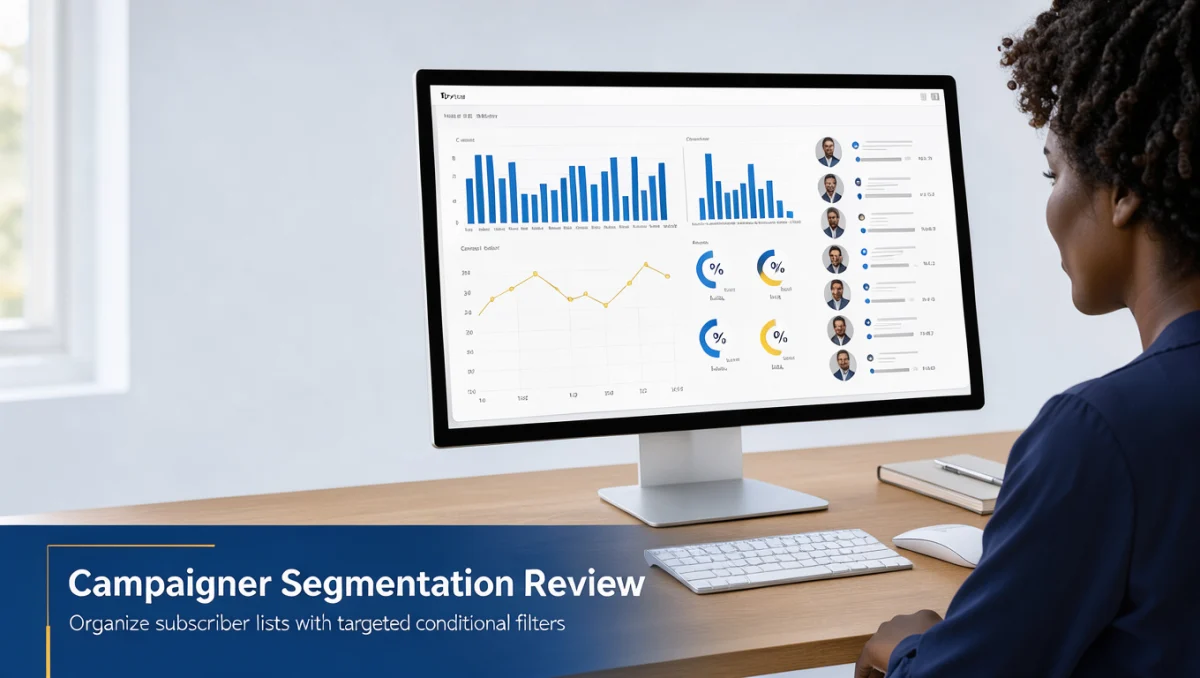
Sending one generic broadcast to an entire, unsorted audience usually produces weak open rates. Splitting subscribers into purposeful groups based on attributes, purchase history, and engagement is now a core requirement for relevant, deliverable email. At Top App Review Sites, we looked at whether the segmentation tools inside Campaigner offer enough precision to support growing outreach programs.
Subscribers expect messages that reflect what they have actually done with your brand, so an email platform has to apply filtering rules reliably at scale. Working with campaigner email marketing segment email lists lets teams build dynamic groups that update on their own as subscriber activity shifts. The real question is whether your data flows cleanly into the filtering engine and whether your team can keep those structures tidy over time.
Quick verdict: Campaigner earns an overall topappreviewsites score of 7.7/10. It suits intermediate and advanced senders who need detailed conditional filtering and automated list segmentation across sizable contact rosters. It is less suitable for solo operators or casual senders who only want simple drag-and-drop newsletters without granular filtering.
| Metric | Summary |
|---|---|
| topappreviewsites score | 7.7/10 |
| Best for | Growing marketing departments that need multi-tier demographic and behavioral contact filtering |
| Not ideal for | Occasional senders who want one-click newsletters without complex segment rules |
| Key strengths | Conditional logic segmentation, automated workflow triggers, and thorough contact record filtering |
| What to check before buying | Confirm current subscriber tier limits and contact field customization on the official vendor site |
1. How topappreviewsites Reviewed Campaigner
This review examines what Campaigner is built to do, who it serves, and how it stacks up against comparable tools. We applied seven topappreviewsites criteria: features, ease of use, pricing and value, integrations, audience fit, support, and competitive position. Plans, prices, and limits change frequently, so treat the points we flag as items to verify on the official website before purchasing. This article was researched and drafted with the help of AI tools, then reviewed and edited by the topappreviewsites Editorial Team.
2. What Campaigner Is and Who It Is For
Campaigner is an email marketing platform for building, scheduling, automating, and tracking outreach campaigns aimed at commercial audiences. The service revolves around managing contact databases, monitoring campaign interaction, and applying logical filters so marketers can tailor messages to precise audience groups.
The platform targets mid-market brands, agency professionals, and dedicated corporate email teams that have outgrown basic broadcast software. Organizations with varied product lines or distinct customer personas gain the most from segmentation, since it helps protect sender reputation with major mailbox providers in 2026.
3. Core Features
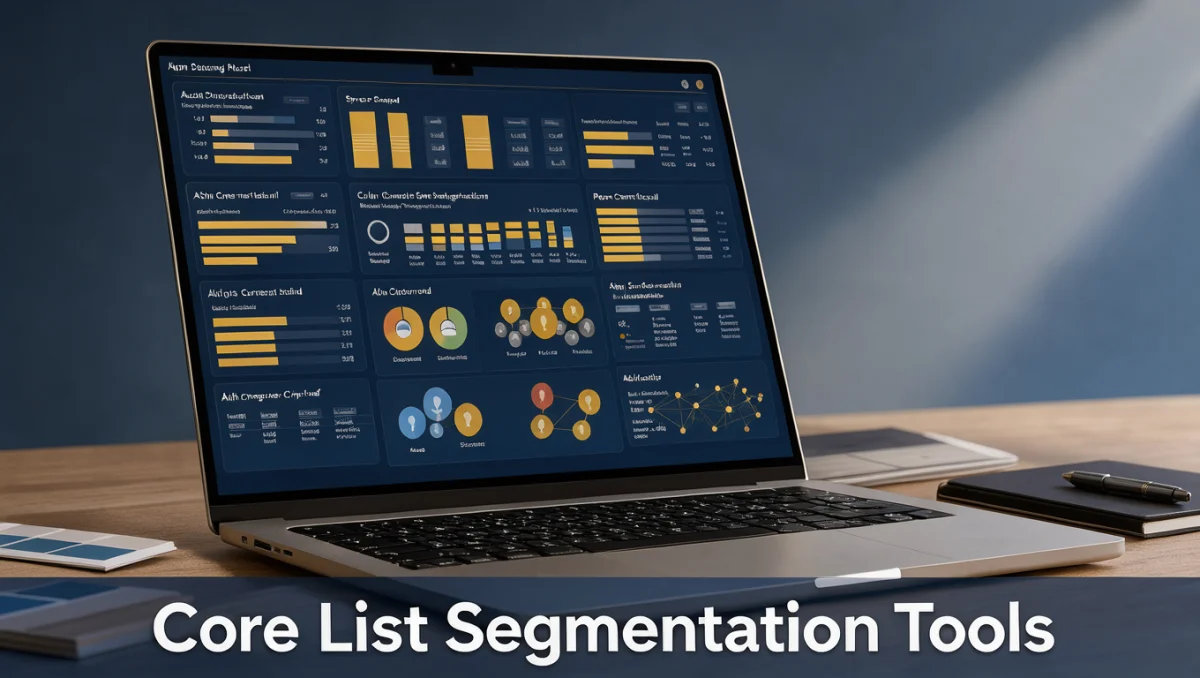
Audience segmentation is what separates entry-level dispatch tools from systems built around data-driven customer lifecycles. Looking closely at how Campaigner handles core functions shows whether it fits your communication setup.
Contact Management and Field Mapping
Contact records act as the data foundation for every segmentation strategy. Marketers can store standard demographic details alongside custom fields, mapping attributes such as purchase frequency, geographic region, account status, and subscription tier.
Keeping contact data organized takes regular field hygiene and deliberate planning. Senders should structure custom fields consistently during import so that filtering queries return complete, accurate records when automated campaigns are built.
Behavioral and Engagement Filtering
Engagement-based filtering lets senders isolate subscribers according to how they have responded to previous messages. Campaigner tracks open history, link clicks, and campaign conversions, giving marketers the data needed to separate active advocates from dormant contacts.
Filtering on recent interaction helps teams run re-engagement programs or suppress unresponsive addresses. Because mailbox providers weigh recipient engagement when deciding inbox placement, excluding unengaged subscribers helps protect delivery rates for important customer notices.
Automated Segmentation and Dynamic List Updates
Dynamic segmentation runs on conditional rules that update list membership without manual spreadsheet uploads. When a contact meets specific criteria, such as clicking a promotional link or updating a profile field, the software adds that record to the matching segments.
Dynamic filtering cuts the administrative workload for teams managing active communication funnels. Marketers can send targeted sequences exactly when subscriber behavior signals purchase readiness or interest in particular services.
4. Ease of Use and Learning Curve
Advanced segmentation tools require more operational attention than basic newsletter software. Campaigner provides structured rule builders where operators combine multiple conditions using standard Boolean operators, so users need to understand logical relationships before constructing complex segment trees.
New team members need time to get comfortable with the segment builder and contact schema. Senders used to simple list tagging may face a learning curve when configuring compound criteria that combine behavioral and demographic rules.
5. Pros and Cons
Weighing both the functional strengths and structural limits of Campaigner helps set realistic expectations for your outreach strategy.
Pros
- Granular conditional logic allows multi-step filtering based on contact attributes and behavioral activity.
- Dynamic segment updating keeps audience lists fresh without repeated contact re-uploads.
- Deep contact field support enables complex data modeling for businesses with detailed subscriber profiles.
- Suppression list handling helps maintain compliant unsubscribe practices across separate segments.
Cons
- The interface demands careful attention to logical operator setup, which lengthens onboarding.
- Custom attribute structures require rigorous manual data cleaning before large database imports.
- Occasional senders may find the rule configuration workflow more involved than simple tag-based platforms.
6. Campaigner vs Similar Tools
The wider marketing technology sector offers many email platforms built for different operational needs. Comparing Campaigner with long-standing competitors highlights how each product is positioned.
Mailchimp focuses on visual simplicity, marketing calendar coordination, and straightforward audience grouping, which makes it approachable for creative entrepreneurs and small retailers. Campaigner, by contrast, emphasizes granular database filtering and structured conditional logic aimed at experienced digital marketers.
Constant Contact emphasizes template simplicity and contact management for local organizations and nonprofits. Senders who need advanced segmentation with nested logic often look at platforms such as Campaigner or ActiveCampaign, which handle complex subscriber lifecycle mapping.
7. Who Should Use Campaigner
Confirming that your operational requirements match Campaigner's strengths can prevent costly platform migrations later.
Marketing Specialists
Marketers running multi-layered promotional schedules benefit from building segments based on past interaction. They can split lists by category interest and deliver tailored content variations that keep engagement high across diverse product lines.
Small Business Owners
Small business operators with dedicated marketing staff can use segmentation to separate wholesale buyers from retail customers. Sole proprietors who only send monthly announcements, however, may find comprehensive segmentation more than they need.
Agency Teams
Marketing agencies coordinating campaigns across different verticals need dependable contact categorization and audience isolation. Structured segmentation lets client managers run targeted strategies aligned with specific buyer personas.
Who Should Look Elsewhere
Casual senders, community organizers, and individual bloggers who only need basic newsletter templates without audience filtering should explore lighter broadcast alternatives. Teams without dedicated data management processes may not use the deeper segmentation features Campaigner offers.
8. How to Choose the Right Plan
Choosing an email platform subscription means balancing functionality against expected contact growth. Review the official plan specifications to find the tier that matches your database size.
| What to check on the official site | Why it matters |
|---|---|
| Contact volume thresholds | Base subscription costs change with subscriber count, which affects long-term budgets. |
| Custom field allowances | Advanced segmentation depends on storing several demographic and transactional attributes per record. |
| Sending rate limits | High-volume schedules need enough dispatch throughput to ensure timely delivery. |
| Automated workflow capacity | Complex multi-branch nurturing paths require confirming workflow depth at each subscription tier. |
9. FAQ
How does contact segmentation improve overall email deliverability?
Mailbox providers track recipient interaction patterns to judge whether messages are wanted or resemble unwanted bulk commercial mail. Segmenting lists lets senders target engaged subscribers while excluding inactive recipients, which improves overall interaction signals and protects primary inbox placement over longer campaigns.
What subscriber information is needed to create dynamic segments?
Dynamic segments require consistent contact records that include identifiable demographic data, historical engagement logs, or explicit customer preferences. Senders must map incoming data into standardized fields so the filtering engine can automatically check each subscriber against defined logical rules.
How should businesses prepare subscriber databases before segmenting?
Organizations should audit existing address lists, remove unverified or outdated contacts, and set consistent naming conventions for all custom fields. Cleaning databases before migration prevents filtering errors and ensures automated campaigns reach valid, correctly classified recipients.
When should an organization use separate sub-lists instead of segments?
Separate sub-lists suit entirely different brands, unrelated publication topics, or legal jurisdictions that require independent unsubscribe management. Dynamic segments work better when filtering a unified subscriber database by internal attributes, engagement frequency, or current purchase interest.
10. Final Verdict
Campaigner offers a disciplined, data-focused email environment that can run complex segmentation logic for growing contact lists. Organizations willing to invest in structured data hygiene will find its filtering tools well suited to targeted subscriber communication in 2026.
| Criterion | Score /10 | Reason |
|---|---|---|
| Features | 8.4 | Offers detailed conditional filtering, dynamic rule application, and structured contact management. |
| Ease of Use | 7.2 | Configuring multi-branch logic requires operational discipline and has a noticeable learning curve. |
| Pricing and Value | 7.6 | Buyers should confirm contact volume tiers and custom attribute allowances on the official site. |
| Integrations | 7.4 | Buyers must check compatibility with existing CRM databases and commerce backends on the vendor site. |
| Audience Fit | 8.1 | Fits intermediate to advanced marketing teams handling segmented, data-rich contact lists. |
| Support | 7.5 | Prospective buyers should review support channels and service tiers on the vendor platform. |
| Competitive Position | 7.7 | Holds a solid position among platforms focused on database filtering rather than basic newsletter design. |
Overall score: 7.7/10
Teams looking to move beyond generic batch-and-blast marketing need to master conditional audience filtering. Campaigner is a capable option for organizations that prioritize data accuracy and targeted delivery.
Have questions about choosing your marketing software stack? Send them to our editorial staff at https://topappreviewsites.com/contact/, or follow topappreviewsites on LinkedIn at https://www.linkedin.com/company/topappreviewsites/ to stay current on software evaluation standards.