topappreviewsites may earn a commission when you buy through links on this page, at no extra cost to you. Our ratings remain independent.
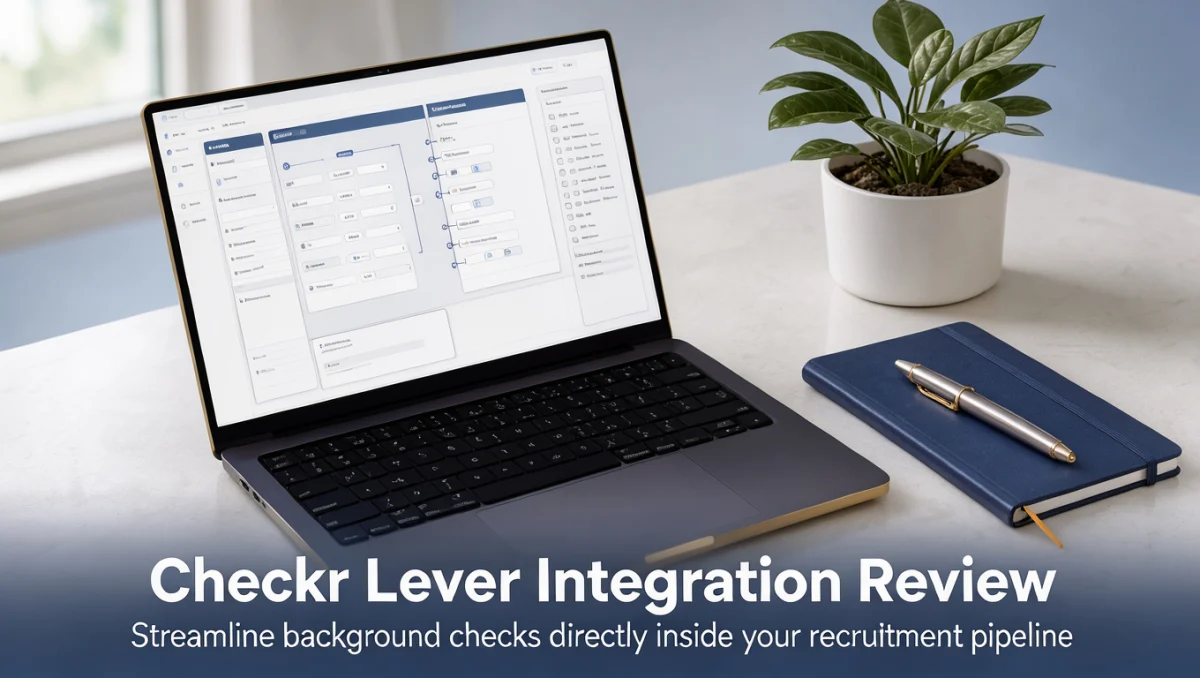
Connecting screening vendors to applicant tracking has become a practical priority for talent teams. The checkr lever integration brings candidate verification into the same workflow where recruiters already manage interviews and offers, so order status and report access stay in one place. Rather than moving applicant details between separate portals, hiring staff can review how well records synchronize between the screening provider and the tracking system. Our review walks human resources professionals through the technical and operational factors that matter when unifying candidate checks.
Teams handling large application volumes often lose time to administrative delays during pre-employment review. When candidate profiles carry across each recruitment stage, verification requests can begin from the tracking pipeline and status updates return to the same record. The setup works well for routine hiring, but buyers should confirm their exact screening protocols on official provider platforms before committing.
Quick verdict: With an overall topappreviewsites score of 7.9/10, the checkr lever integration suits structured recruiting teams that want centralized status tracking across applicant pipelines. Growing companies seeking standardized verification steps will find the most value, while organizations with heavily fragmented local compliance rules or decentralized regional hiring should review configuration options carefully first.
| Evaluation Metric | Summary Finding |
|---|---|
| topappreviewsites score | 7.9/10 |
| Best for | Recruitment teams that need centralized candidate verification inside applicant pipelines |
| Not ideal for | Organizations with hiring authority split across unlinked entities or specialized manual screening needs |
| Key strengths | Direct background check status synchronization, consolidated candidate records, and standardized hiring stages |
| What to check before buying | Subscription tiers, package add-ons, regional jurisdiction fees, and account administration setup |
1. How topappreviewsites Reviewed the Checkr Lever Integration
This review examines what the Checkr Lever integration is designed to do, who it serves, and how it compares with similar tools. We applied the seven topappreviewsites criteria: features, ease of use, pricing and value, integrations, audience fit, support, and competitive position. Plans, prices, and limits change frequently, so we highlight what to confirm on the official website before purchasing. This article was researched and drafted with AI assistance, then reviewed and edited by the topappreviewsites Editorial Team.
2. What the Checkr Lever Integration Is and Who It Serves

The Checkr Lever integration is a recruitment software connection that links an applicant tracking system with an automated background screening service. Recruiters normally manage job postings, interview stages, offer letters, and candidate verification across separate tools. With the integration, hiring staff can trigger verification orders straight from a candidate's opportunity profile instead of exporting applicant details into another portal.
The setup is aimed at talent acquisition specialists, hiring managers, and people operations teams that want consistent hiring documentation. Background check platforms review criminal records, employment history, and education credentials against defined company standards, while applicant tracking systems follow candidates from application through onboarding. Linking the two reduces duplicate record creation and keeps candidate progress history in one primary hub.
Modern companies rely on automated screening connections to keep records organized across departments. Recruiting teams sometimes pair AI-driven candidate matching with background verification to manage high applicant interest. Software buyers should remember that every organization has its own compliance requirements, so platform adaptability is a central factor in evaluation.
3. Core Features of the Background Check and Hiring Connection
The core functions of a verification integration are triggering checks, synchronizing status alerts, and managing candidate profiles across both platforms. Understanding these areas helps evaluators decide whether the workflow fits their team structure.
Candidate Record Synchronization
Candidate record synchronization moves core contact information from the applicant tracking profile into the screening system. When a recruiter advances an applicant to the verification stage, candidate details populate the verification order automatically, which prevents manual copy-and-paste errors. Recruitment specialists can confirm which applicant fields sync between platforms by reviewing documentation on the official website.
In-Stage Verification Triggers
Recruiters can configure specific pipeline stages to start screening requests automatically or through a single-action prompt. For example, moving a candidate card into a reference check or background review stage can launch the background check request. The candidate then receives an invitation to submit required personal details through the screening portal, keeping hiring managers focused on interview quality rather than clerical tracking.
Real-Time Screening Status Indicators
Recruiters follow candidate progress inside their applicant records through status tags. When a background check moves from pending to complete, the applicant profile updates its tag accordingly. Reviewers can see whether an investigation is in progress, requires candidate action, or has concluded without logging into multiple dashboards. Confirm exact tag naming conventions in the official platform guides.
Centralized Report Access
Once a background report finishes processing, the applicant tracking record displays a direct link to the final screening findings. Authorized hiring professionals can open detailed records securely. This structure maintains clear audit trails while restricting access to sensitive candidate information according to administrative permissions. Companies should confirm role-based viewing permissions in the official platform documentation.
4. Ease of Use and Learning Curve Across Platforms
Adopting any integrated human resources workflow requires operational adjustments from recruiters and hiring managers. When candidate verification connects to an applicant tracking system, recruiters benefit from a simpler process because daily tasks stay inside their main interface. Sending orders and checking completion tags does not demand extensive technical training.
Candidate experience is an equally important usability factor. Once an order begins, the background check provider contacts the candidate directly to gather identifiers such as identity numbers and prior addresses. Because candidates enter sensitive data into a dedicated external interface, recruiters spend less time chasing missing documents. Buyers should review the candidate-facing portal on the official Checkr site to understand the applicant onboarding experience.
The administrative learning curve centers on mapping pipeline stages to screening packages. System administrators must link job types to suitable screening profiles so that executive hires and entry-level staff each receive appropriate checks. Initial configuration requires planning between talent leaders and system administrators, but routine management stays manageable for non-technical users.
5. Pros and Cons of Connecting Checkr with Lever
Evaluating recruitment software means weighing operational advantages against workflow constraints. Comparing the benefits with common setup limitations gives a balanced basis for a purchase decision.
Advantages of Integrated Candidate Verification
- Recruiting teams spend less time copying candidate information between separate web portals.
- Hiring stages progress with clear visual indicators of screening completion inside candidate profiles.
- Direct links to completed background reports speed up final hiring reviews for authorized staff.
- Guided applicant workflows reduce missing form submissions from candidates.
- Recruiting analytics stay consolidated within the main applicant tracking interface.
Limitations and Workflow Considerations
- Initial configuration requires coordination between tracking administrators and screening account managers.
- Organizations with complex international subsidiaries may need customized screening packages and manual verification steps.
- Changes to candidate stages must follow strict sequences to prevent duplicate background orders.
- Access controls must be aligned across both platforms so sensitive records remain visible only to authorized personnel.
6. Checkr Lever Integration vs Similar Tools
Talent acquisition teams often compare several screening and recruitment combinations before standardizing their stack. Background screening vendors generally focus on verified public records research, while applicant tracking software coordinates candidate pipelines.
Checkr presents itself as a technology-first screening service that emphasizes software connectivity and structured status tracking. Traditional background verification vendors, by contrast, often rely on legacy account management models with extensive manual review. When comparing screening tools with applicant tracking systems, buyers should check how easily each provider shares report data with their chosen tracking database.
Alternative applicant tracking systems also differ in partner connectivity. Platforms such as Greenhouse, Workday, and BambooHR maintain their own partner ecosystems for candidate screening. Organizations choosing a stack must decide whether their main goal is broad enterprise human capital management or specialized recruiting agility. The comparison directory on Top App Review Sites covers broader platform categories.
7. Who Should Use the Checkr Lever Integration
Different business structures gain different benefits from connecting background verification to an applicant tracking system. Assessing operational fit ensures the tool matches organizational scale and hiring pace.
Growing Technology and Startup Teams
Fast-scaling companies recruiting across engineering, marketing, and operations benefit from structured hiring stages. Recruiters at growing technology businesses often juggle many openings at once. Automated status updates inside candidate records keep communication timely and prevent hiring delays.
Mid-Market Corporate Human Resources
Mid-sized enterprises with dedicated HR departments need standardized compliance documentation across multiple offices. For these teams, centralized reporting links and synchronized candidate records produce consistent hiring documentation. HR directors can maintain accountability across several recruiters without auditing separate accounts by hand.
High-Volume Service and Operations Hirers
Businesses recruiting seasonal staff, retail associates, or field workers handle large applicant volumes within tight deadlines. Automating candidate data collection through direct screening links removes much of the administrative load from hiring coordinators, letting smaller teams process more candidates efficiently.
Teams That Should Consider Alternative Setups
Organizations that hire infrequently or run single-site operations may find an integrated workflow unnecessary. A business making only occasional hires each quarter can often manage checks through standard vendor portals without configuring a multi-platform connection. Firms with specialized legal clearance protocols should also verify whether a specialized screening provider better meets their statutory obligations.
8. How to Choose the Right Plan for Candidate Verification
Pricing for background screening and applicant tracking software involves several cost factors. Understanding how subscription fees interact with per-check screening charges is essential for accurate budgeting.
Applicant tracking platforms usually charge subscriptions based on employee headcount, recruiter seats, or total open requisitions. Background check providers often bill per check, sometimes alongside an optional monthly platform fee. Because package configurations and third-party court search fees vary, organizations should confirm pricing directly with official vendor representatives.
| What to Check on the Official Site | Operational Reason | Who It Matters Most For |
|---|---|---|
| Subscription versus per-check fee models | Determines monthly expense stability during hiring surges | High-volume recruiting operations |
| Statutory court access and verification fees | Third-party jurisdictions charge separate access costs | Companies hiring across multiple jurisdictions |
| Recruiter user permissions and seat costs | Controls who can initiate checks and view final findings | Decentralized hiring departments |
| Available verification package components | Ensures specialized credentials and records are covered | Regulated industries and executive search teams |
| Account setup and onboarding requirements | Affects launch timelines and administrative effort | Teams facing urgent hiring deadlines |
9. Frequently Asked Questions About Screening Workflows
How does a candidate submit personal details for an integrated background check?
Once an order begins, candidates receive an automated invitation link by email or text. The applicant opens a secure portal to enter personal identifiers, address history, and required consent documents directly. Recruiters do not need to collect sensitive personal documents manually, which protects data integrity and simplifies candidate interactions.
What should recruitment teams verify before configuring screening packages?
Recruiting leaders should define clear hiring requirements for each role before linking packages to pipeline stages. Confirm the required search components, including criminal history, education verification, and professional license checks, with your compliance advisors. Matching packages to role responsibilities prevents redundant searches and avoids omitting necessary checks.
How are background check status updates displayed to recruiters?
Status indicators appear on the candidate opportunity record inside the applicant tracking system. Recruiters can see whether an investigation is pending, needs candidate action, or has concluded. Detailed findings remain available through a secure link to the primary screening portal for authorized personnel.
Should an organization review compliance rules before launching background checks?
Consulting legal counsel or HR compliance specialists is recommended before finalizing screening workflows. Pre-employment screening is governed by federal, state, and local fair hiring laws that cover candidate disclosure and adverse action notices. Structuring compliant hiring stages helps your process respect candidate rights and regulatory guidelines.
10. Final Verdict on the Checkr Lever Integration
The connection between Checkr and Lever offers an organized approach to candidate background screening within modern recruitment workflows. Combining applicant management with background check processing removes redundant data entry, reduces communication lag, and centralizes candidate evaluation.
| Evaluation Criterion | Score /10 | topappreviewsites Assessment Reason |
|---|---|---|
| Features | 8.5/10 | Provides comprehensive candidate record synchronization, automated screening stage triggers, and centralized status tracking. |
| Ease of Use | 8.0/10 | Keeps daily recruiter activity inside familiar applicant tracking views while candidates enter details through an independent portal. |
| Pricing and Value | 7.5/10 | Requires careful assessment of per-report fees, third-party search surcharges, and base subscription commitments across platforms. |
| Integrations | 8.5/10 | Connects applicant tracking records with background screening data through standardized operational workflows. |
| Audience Fit | 8.0/10 | Serves modern recruitment teams and mid-sized enterprises well, though occasional hirers may find integration setup unnecessary. |
| Support | 7.0/10 | Demands clear coordination across two separate software providers when troubleshooting account permissions and billing. |
| Competitive Position | 8.0/10 | Presents a technically capable alternative to traditional manual background screening portals within the talent acquisition ecosystem. |
Overall topappreviewsites score: 7.9/10. For recruiting departments aiming to reduce candidate drop-off and cut manual recruitment overhead, automated background screening inside applicant pipelines delivers measurable workflow clarity. Review candidate verification requirements, access permissions, and billing models on official provider sites before finalizing your deployment.
Have questions about optimizing your recruitment software stack? Send your inquiries through our topappreviewsites Contact Page or follow our ongoing enterprise software analysis on the topappreviewsites LinkedIn Page.
See More Artificial Intelligence