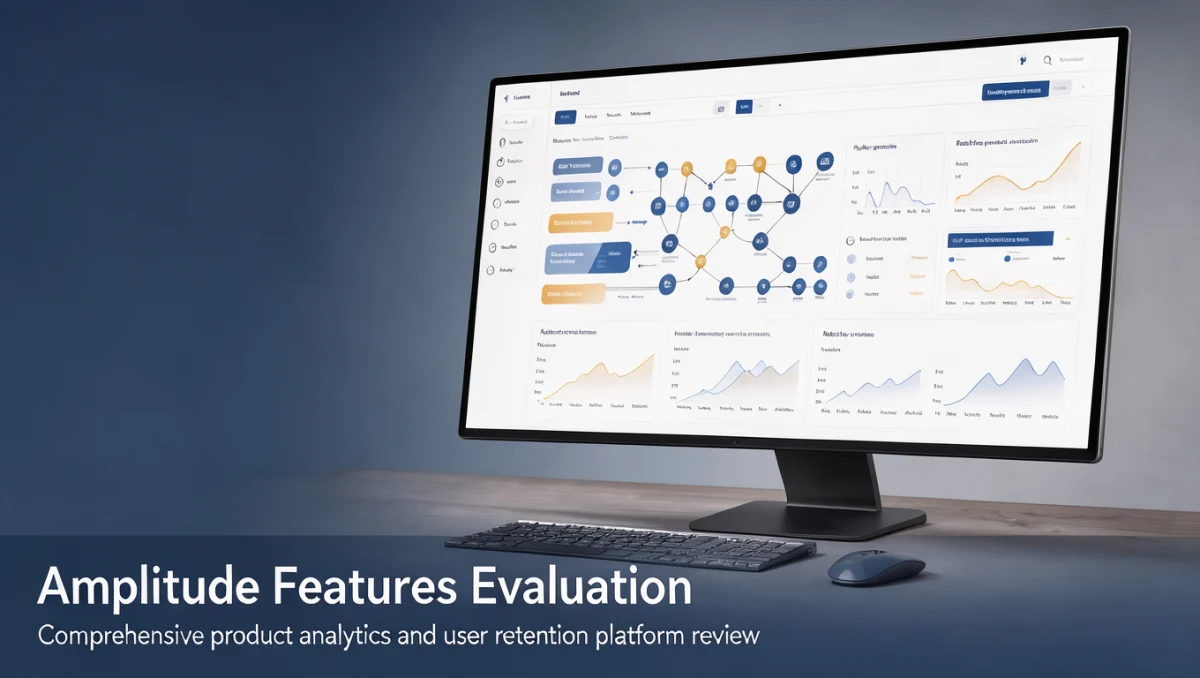
Readers comparing amplitude features usually want to know one thing: how much visibility the platform gives into what users actually do inside a product. Amplitude answers that with event-level data, conversion paths and retention views that go well beyond page counts. Before committing engineering time, it helps to understand what each capability does and where the effort lies.
What Amplitude Tracks and Why It Matters
Amplitude is built around events rather than raw page visits. A team defines actions such as completing a profile step, starting checkout or inviting a colleague, and each event carries properties like plan type, device category or acquisition channel. Because the quality of every chart depends on this taxonomy, most teams agree on event names and properties before any data flows in. The official Amplitude documentation lays out recommended naming conventions, which are worth reviewing early.
Funnels, Retention and Journey Mapping
Funnel analysis shows where users drop out of multi-step flows such as onboarding or checkout, and how completion rates differ between segments. Retention curves show how often people return after a key first action, while behavioral cohorts let teams compare engaged users against passive ones. Path analysis goes a step further by revealing the routes users take before or after a milestone, which can expose unexpected workarounds or friction points that a rigid funnel would miss.
Dashboards and Team Collaboration
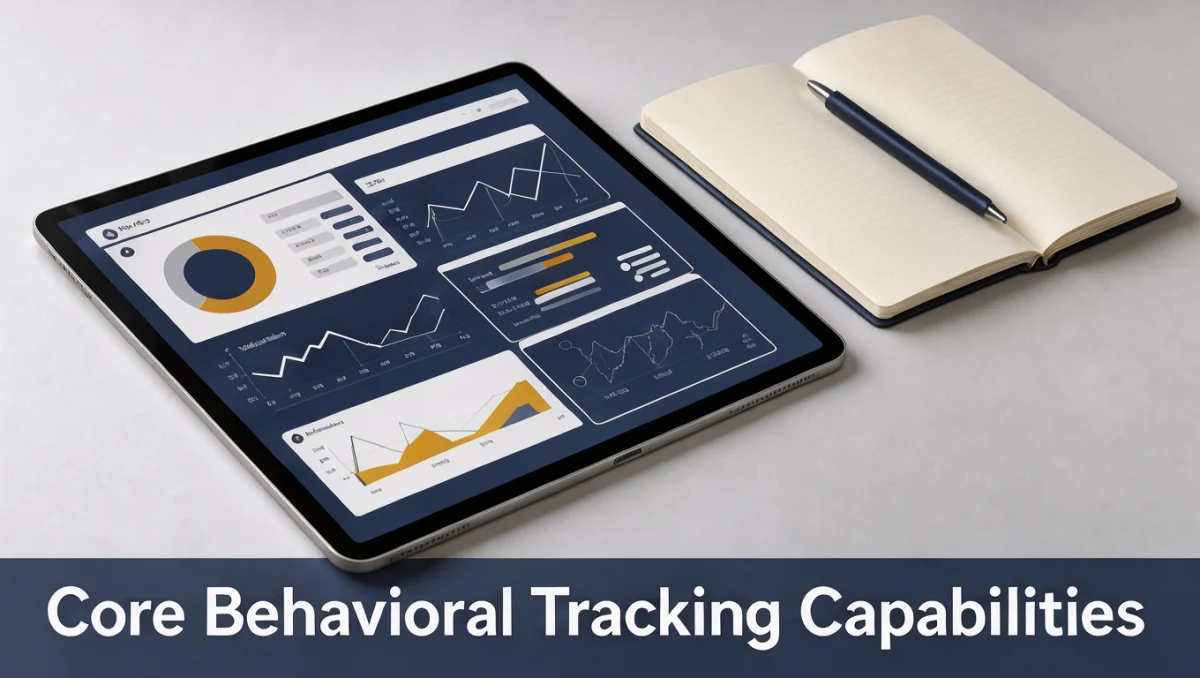
Dashboards combine multiple charts into shared project views, and teams can annotate releases directly on metric timelines so shifts can be tied to real product changes. Shared spaces and scheduled report delivery reduce the need for manual spreadsheet exports, which helps product, growth and analytics stakeholders work from the same numbers.
Ease of Use and Trade-offs
The learning curve reflects the platform's depth. Teams used to simple pageview tools often need time to adjust to event-based thinking. Non-technical colleagues can usually read shared dashboards with moderate effort once the data is clean, but building advanced multi-step funnels or complex cohort logic takes analytical skill. On the limitation side, implementation requires engineering involvement, and without consistent governance, inconsistent event names can make reports harder to trust over time.
How Amplitude Compares With Similar Tools
Development teams often shortlist Amplitude alongside Mixpanel, Heap, PostHog and Google Analytics. Amplitude, Mixpanel and Heap concentrate on in-product behavior, while Google Analytics leans toward acquisition and aggregate traffic. PostHog suits teams that want a developer-oriented stack and want to weigh self-hosting against managed deployment. The right choice depends on whether the main question is how users retain inside the product or how visitors arrive in the first place.
Who Should Consider Amplitude

Amplitude fits product managers optimizing onboarding and feature adoption, growth and lifecycle marketers looking for behaviors linked to retention, and data analysts who need granular filtering and cohort correlation. It is less suited to content sites that only track pageviews, to teams without engineering capacity for instrumentation, or to small static websites that want zero-configuration traffic summaries.
What to Verify Before Choosing a Plan
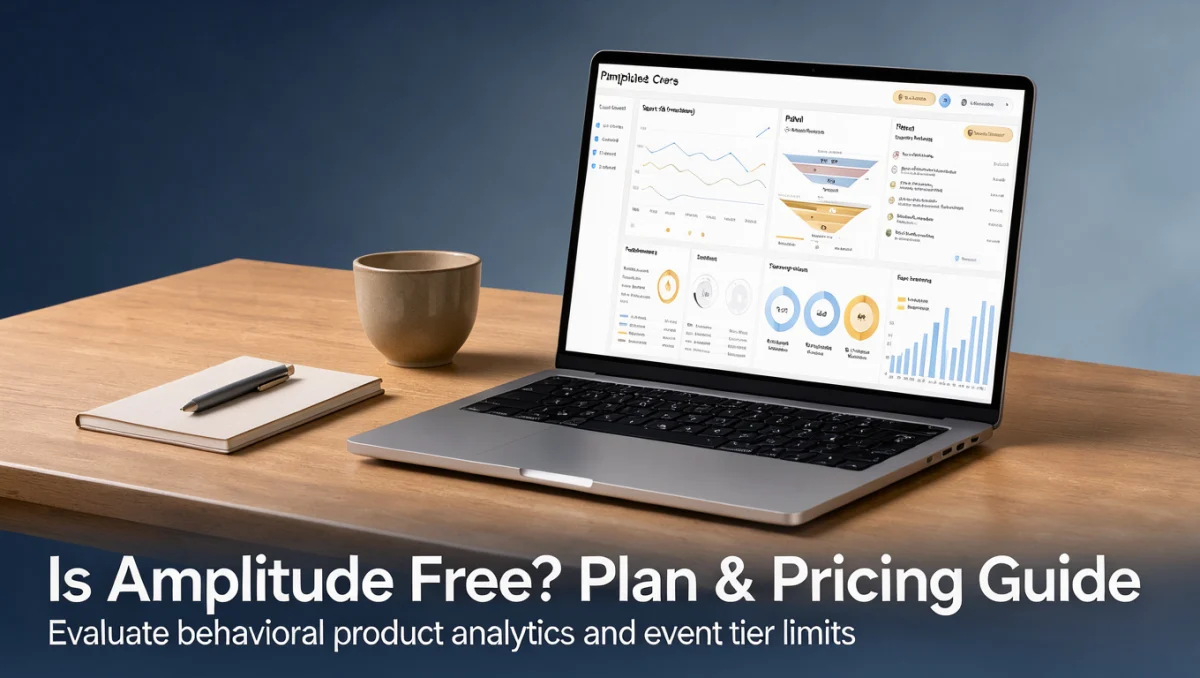
Pricing tiers, event allowances, seat counts, access to advanced charting and cohort tools, integration connectors and support levels all vary and change over time. Check your expected monthly tracked users and events per session against the official pricing page, confirm how many builders need seats, and verify that your data warehouse or stack is supported before signing a contract.
Final Thoughts
Amplitude offers strong behavioral analysis, retention modeling and funnel exploration for teams willing to invest in clean tracking. Organizations that need only aggregate traffic numbers will find simpler tools sufficient. For independent software assessments across a range of digital tools, readers can explore Top App Review Sites. Questions about tool selection can be sent through https://topappreviewsites.com/contact/, and ongoing product analytics updates are shared at https://www.linkedin.com/company/topappreviewsites/.