topappreviewsites may earn a commission when you buy through links on this page, at no extra cost to you. This does not affect our ratings.
Deciding whether to adopt a post-purchase tool comes down to one question: can your store raise order value without slowing the checkout itself? For online shops looking for extra revenue from existing traffic, dedicated post-checkout software offers offers that appear right after payment is complete. In our independent assessment at Top App Review Sites, we looked at how well these funnels create commercial upside while keeping day-to-day workload manageable.
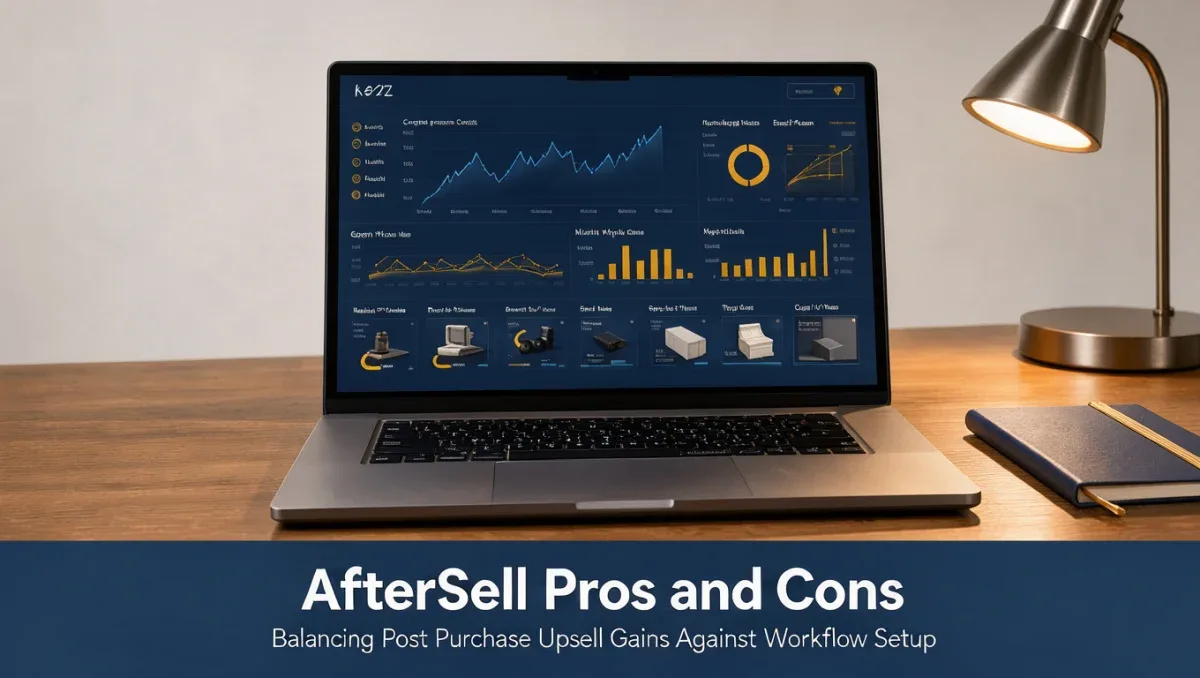
Picking a conversion tool means understanding how promotion rules line up with your product catalog and what shoppers expect to see. This breakdown of aftersell pros and cons covers the core upsell workflows, the setup trade-offs, and the operational checkpoints worth reviewing before you commit your store funnels to any one platform.
Quick answer: AfterSell's main strength is automating upsell and cross-sell funnels after checkout, adding revenue without interrupting the purchase itself. Its main drawback is the ongoing effort needed to keep offers matched to changing inventory. Merchants who prioritize higher order value should be ready to accept that maintenance load.
| Biggest strengths | Biggest limitations |
|---|---|
| Captures sales made after the main checkout is finished | Needs regular catalog checks to avoid recommending out-of-stock items |
| Supports multi-step cross-sell and downsell offer sequences | Needs careful funnel testing so repeat customers are not overloaded |
| Enables targeted promotional messages across order confirmation stages | Adds another layer to routine store merchandising work |
1. How topappreviewsites Put This Guide Together
This guide pairs what the software is built to do with the topappreviewsites buying framework, so you can judge whether it suits your business. Plans, prices and limits change frequently, so we flag what to confirm on the official website before purchasing. This article was researched and drafted with the help of AI tools, then reviewed and edited by the topappreviewsites Editorial Team.
2. Strengths of AfterSell
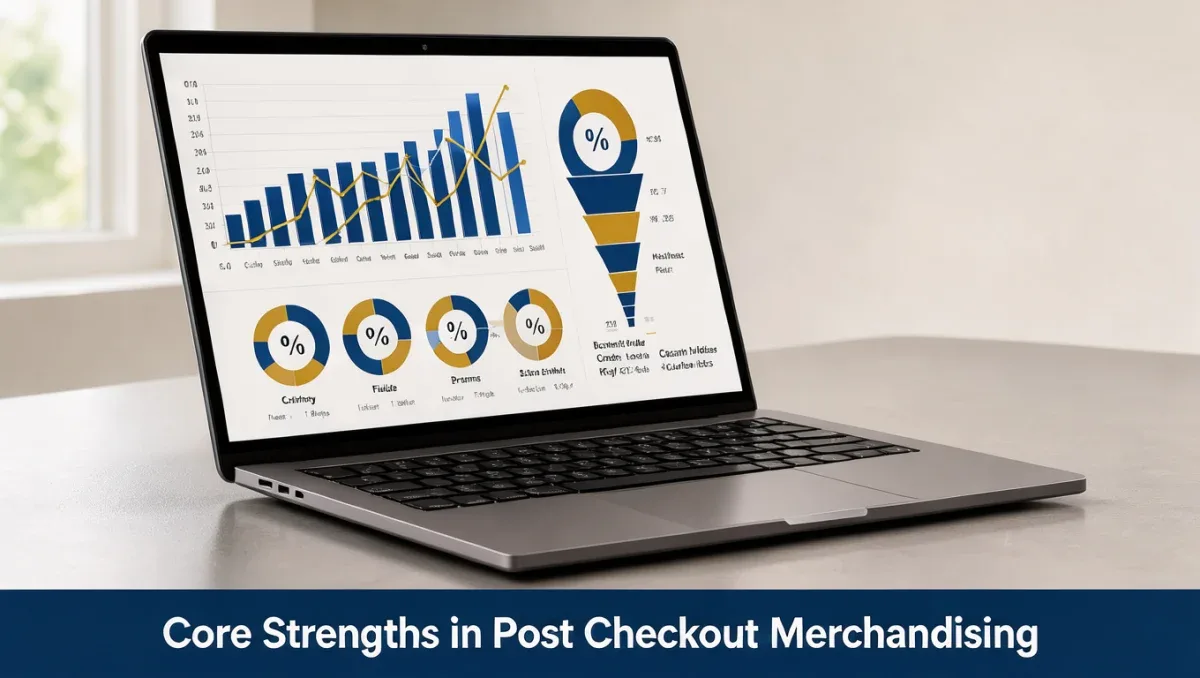
Post-purchase revenue tools are designed to get more value from checkout traffic you already have. Once they are connected to a store, they offer several clear advantages for growing digital brands.
Frictionless post-purchase transaction triggers
Because add-on offers appear only after the buyer has completed payment, they do not add decision steps to the main purchase path. Shoppers finish their original commitment first, which protects your standard checkout conversion rate while opening a direct chance to expand the cart.
Multi-tiered upsell and downsell sequencing
Merchants can build promotional paths that react sensibly to how a customer responds. If an upgrade is turned down, a cheaper accessory or complementary item can be shown automatically, giving stores structured ways to capture extra order value across different price sensitivities.
Targeted post-checkout promotional displays
Beyond the immediate offer, the software can show customized messages and product suggestions on thank-you pages and order status screens. This extends product discovery into confirmation pages that buyers often revisit.
- Post-purchase placement keeps the core conversion funnel free from checkout friction.
- Decision logic adapts secondary offers based on whether the buyer accepts or declines.
- Confirmation page customization reinforces brand messaging alongside product discovery.
3. Limitations of AfterSell
Although post-purchase optimization opens real routes to more revenue, merchants also have to take on the administrative demands and strategic limits that come with it.
Ongoing catalog and inventory alignment demands
Post-purchase funnels only work if the offered items are actually in stock. When inventory moves quickly, merchants must keep checking offer rules so discontinued or low-stock variants do not create orders that cannot be fulfilled. Setting automated stock thresholds in your product catalog is an effective safeguard.
Risk of promotional fatigue for regular shoppers
Showing multi-step offers on every transaction can wear down loyal repeat customers. Without careful rule segmentation, frequent buyers may keep seeing the same offers, which spoils their post-purchase experience. Store administrators should set clear exclusion tags or purchase-frequency rules to reduce this friction.
Dependence on broader store development workflows
Connecting third-party checkout extensions means staying coordinated with theme updates and wider Development schedules. When storefront templates are redesigned, promotional displays need to be checked again to keep the layout consistent on mobile and desktop.
- Review active upsell funnels every two weeks to confirm product availability.
- Create customer tagging rules that keep recent purchasers out of repetitive promotions.
- Run staged tests across mobile layouts after applying any theme update.
4. The trade-offs that matter
Every conversion optimization tool requires accepting some trade-off between automated revenue and the oversight it demands. The table below shows how these compromises tend to affect different types of merchants.
| Strength | What it costs you | Who should accept the trade-off |
|---|---|---|
| Automated revenue capture at checkout completion | Time spent choosing compatible product bundles and promotional copy | Merchants with steady order volume looking to raise average transaction value |
| Sophisticated multi-tier downsell offer logic | Added complexity when troubleshooting fulfillment exceptions | Retailers with diverse accessory catalogs and flexible fulfillment operations |
| Extensive thank-you page promotional surfaces | Routine checks required after mobile storefront theme changes | Brands with dedicated site managers keeping storefront layouts current |
5. Deal-breakers
In some situations, the core nature of post-purchase tools may not fit your current business. Consider holding off on adoption in the following cases:
- Your store sells a single flagship product and has no complementary accessories or consumable reorders to offer logically after purchase.
- Your fulfillment process cannot handle split orders or sudden jumps in secondary add-on selections.
- Your checkout traffic is still too low to produce meaningful conversion patterns from secondary funnels.
- Your team lacks the capacity to regularly check inventory against promotional rules.
6. Frequently asked questions
Can the operational limitations of post-purchase funnels be managed effectively?
Careful catalog curation and a steady rule review schedule handle most operational issues. By focusing offers on evergreen, well-stocked accessories and excluding repeat buyers through rules, store managers keep orders moving smoothly while keeping manual workload low.
Is this software suitable for beginners launching their first store?
New operators usually get more value from building reliable baseline traffic and stabilizing fulfillment before adding multi-step upsell sequences. Once daily sales are consistent, post-checkout optimization becomes a sensible next step for growth.
When should an online merchant consider alternative conversion software?
It makes sense to look at other tools when you need pre-purchase bundling, subscription billing management, or complex tiered volume discounts on collection pages. Post-purchase tools focus on checkout-stage touchpoints rather than top-of-funnel browsing promotions.
What should a merchant verify on the official website before buying?
Check the official AfterSell website for current subscription tiers, order volume limits, and billing structures. Confirming these usage parameters helps ensure the expected lift in average order value justifies the ongoing cost.
7. Bottom line
AfterSell provides a focused way for digital retailers to grow average order value through structured post-purchase offers. By presenting complementary options once the initial payment is secured, the platform can unlock meaningful extra revenue while protecting the baseline checkout completion rate.
For growing brands with a healthy product range and predictable inventory, the balance of AfterSell pros and cons leans clearly in its favor. Businesses with narrow single-item catalogs or limited fulfillment capacity should stabilize their core operations before adding dedicated post-checkout funnels.
Have a question about choosing software? Send it to the topappreviewsites team through our contact page or follow topappreviewsites on LinkedIn for new reviews and comparisons.