topappreviewsites may earn a commission when you buy through links on this page, at no extra cost to you. This does not affect our ratings.
Solid tax1099 tips can save finance teams and accountants from expensive compliance fines and the stress of mandatory information return season. Clean contractor records and early data checks make electronic submissions far smoother. At Top App Review Sites, we present this independent view to help you organize tax reporting without surprises.
Information return rules are strict. Incorrect recipient details, missing fields, and late transmissions all draw penalties. Reviewing vendor routines well ahead of deadlines keeps your organization protected and your communication with contractors and tax authorities on track.
Quick answer: The three most important steps are confirming taxpayer identification numbers well before filing, standardizing vendor onboarding paperwork, and reconciling vendor ledgers against submitted returns. Never leave recipient validation to the final week, and always check current electronic filing requirements on the official vendor website.
- Gather signed vendor declaration forms before making any payments.
- Run taxpayer identification checks early in the year.
- Match accounting ledger totals against your prepared return summaries.
- Confirm current electronic filing fees on the official Tax1099 website.
- Speak with a qualified certified public accountant about your specific reporting duties.
How We Built This Guide
This guide pairs the features of the software covered here with our buying framework, so you can choose what suits your business. Plans, prices, and limits change frequently, so we flag what to verify on the official site before purchasing. This article was researched and drafted with AI assistance, then reviewed and edited by the Top App Review Sites Editorial Team.
Key Points Before You Begin
Getting ready for electronic tax submissions means understanding your regulatory duties and whether your data is ready. Electronic filing platforms are submission channels, not replacements for professional accounting oversight. For broader guidance on choosing software, read our tax1099 tips resource before adopting new financial tools.
Remember that tax authorities set different deadlines for each information form type. Missing a statutory date can trigger automatic fines that grow with each day of delay. Practical habits give your team repeatable checklists well before peak season.
- Filing tools need recipient legal names that exactly match government records.
- Electronic delivery consent must be properly documented before you replace paper statements.
- Plan transmissions around government processing windows and possible rejections.
- Administrators should confirm on the official Tax1099 website which forms are currently supported.
Red Flags to Watch For
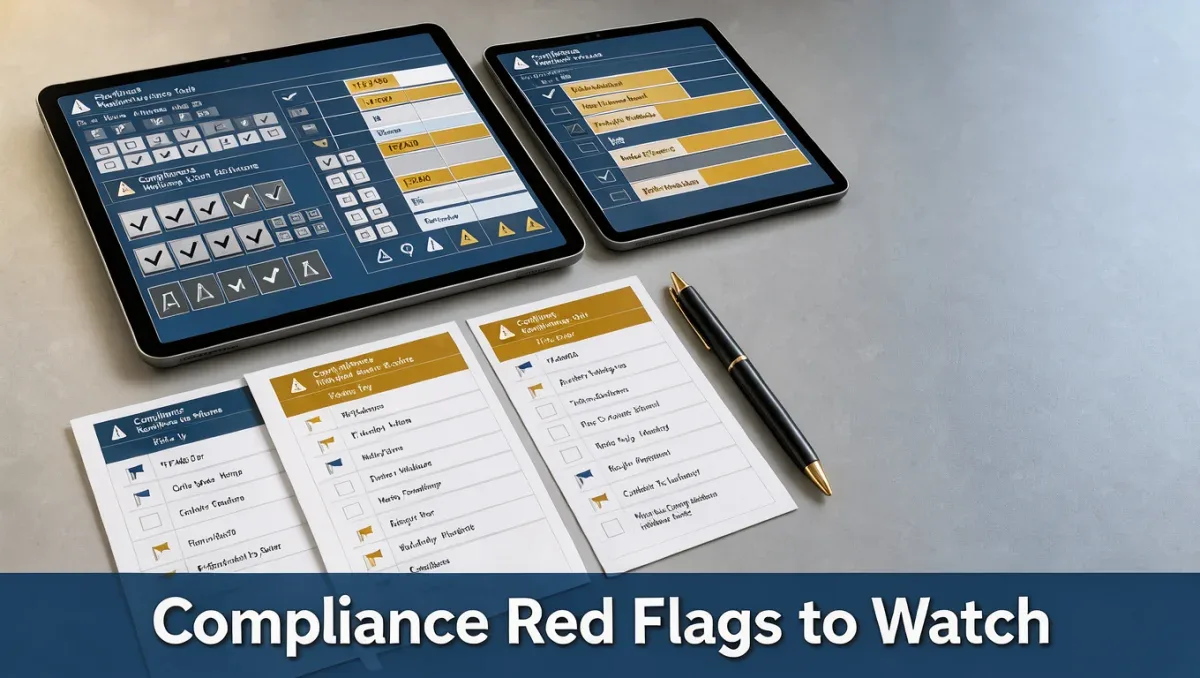
Spotting process weaknesses early prevents filing disruptions and costly correction penalties. Filing platforms process whatever data users enter, so output quality depends entirely on upstream accuracy. Watching for warning signs protects the whole filing cycle.
| Red flag | Why it matters | What to do instead |
|---|---|---|
| Missing taxpayer identification numbers | Triggers processing rejection and possible backup withholding requirements | Collect complete tax documentation before the first vendor payment |
| Mismatched business legal names | Causes name and identification number mismatch penalties | Verify payee details against official government records before filing season |
| Late recipient consent for digital delivery | Violates electronic disclosure rules and forces paper mailings | Request electronic delivery agreements during vendor onboarding |
| Unreconciled year-end totals | Creates gaps between financial statements and reported tax forms | Reconcile vendor expense ledgers against form totals before batch submission |
Mistakes to Avoid
Many organizations struggle during tax reporting because of administrative oversights rather than deliberate noncompliance. Building disciplined workflows within your wider Accounting processes reduces common data errors and protects cash flow.
Waiting Too Long to Validate Recipient Data
Requesting tax identification documents from nonemployee workers only at year-end often creates bottlenecks. Contractors who move or dissolve their businesses during the year are hard to track down under tight deadlines. Make signed tax declaration forms a requirement before any invoice is paid.
Overlooking State Filing Requirements
Many filers assume federal submission covers every state obligation. Some state agencies require direct electronic filing, separate record matching, or unique deadlines. Check state-specific rules on the official Tax1099 website or consult a certified tax professional to ensure full multi-jurisdictional compliance.
Ignoring Transmission Error Notices
Sending an electronic batch does not close your filing responsibility. Tax authorities often accept an initial batch while flagging individual form errors for correction. Failing to monitor status reports means rejection notices go unnoticed and penalties follow.
- Review status alerts promptly after submitting any electronic batch.
- Set an internal reminder to audit acceptance status within several days of filing.
- Correct and resubmit rejected recipient records immediately to meet statutory deadlines.
Questions to Ask Before You Commit
Before committing to an electronic tax filing solution, evaluate your internal scope and external vendor requirements. Clarifying software capabilities and administrative policies ensures the platform supports your compliance goals.
- Do you need multi-user access with distinct permission levels?
- Which information return forms must your business submit next calendar year?
- How will you deliver forms to recipients, by postal mail or through digital portals?
- How many nonemployee payments does your organization process each year?
- Have you confirmed current per-form submission and processing fees on the official Tax1099 pricing page?
- Will your outside certified public accountant need direct reviewer access?
Good Habits That Save Time
Structured routines turn a stressful tax season into an orderly administrative process. Consistent data capture eliminates last-minute panic and supports full regulatory compliance.
- Audit vendor contact records quarterly rather than waiting for year-end.
- Standardize digital archives so signed contractor packages are easy to find.
- Run test data imports into filing templates weeks before deadlines to catch formatting errors early.
- Record internal sign-offs from finance leadership before any electronic transmission.
- Keep copies of regulatory acceptance confirmations for your tax defense files.
Frequently Asked Questions
What preparation is needed before creating an information return batch?
Gather complete payee legal names, current addresses, verified taxpayer identification numbers, and exact nonemployee compensation totals. Cross-checking these figures against bank statements and the general ledger prevents duplicate entries and keeps reported sums aligned with your accounting records.
Why do tax authorities reject electronic return submissions?
Rejections most often come from typos in recipient names or mismatched taxpayer identification numbers. Outdated entity names or invalid identification numbers cause validation systems to reject forms, requiring quick correction and resubmission.
When should a business seek professional accounting advice on form filing?
Consult a qualified accountant when classifying workers, handling foreign vendor payments, or resolving multi-state reporting questions. Professional advisors provide legal interpretations that filing software cannot, keeping your company compliant with current rules.
How should businesses verify recipient consent for electronic delivery?
Obtain clear, affirmative consent in electronic form showing the recipient can access digital disclosures. If a contractor does not provide electronic consent, rules generally require sending paper statements by certified mail before the statutory recipient deadline.
Bottom Line
Applying consistent tax1099 tips protects businesses from avoidable fines and administrative headaches. Early vendor onboarding checks, verified recipient information, and monitoring of electronic submission status keep finance teams audit-ready. Always review current plan details on the official Tax1099 website and work with a certified tax advisor on technical compliance questions.
Have a question about choosing software? Send it to the Top App Review Sites team through our contact page or follow us on LinkedIn for new reviews and comparisons.