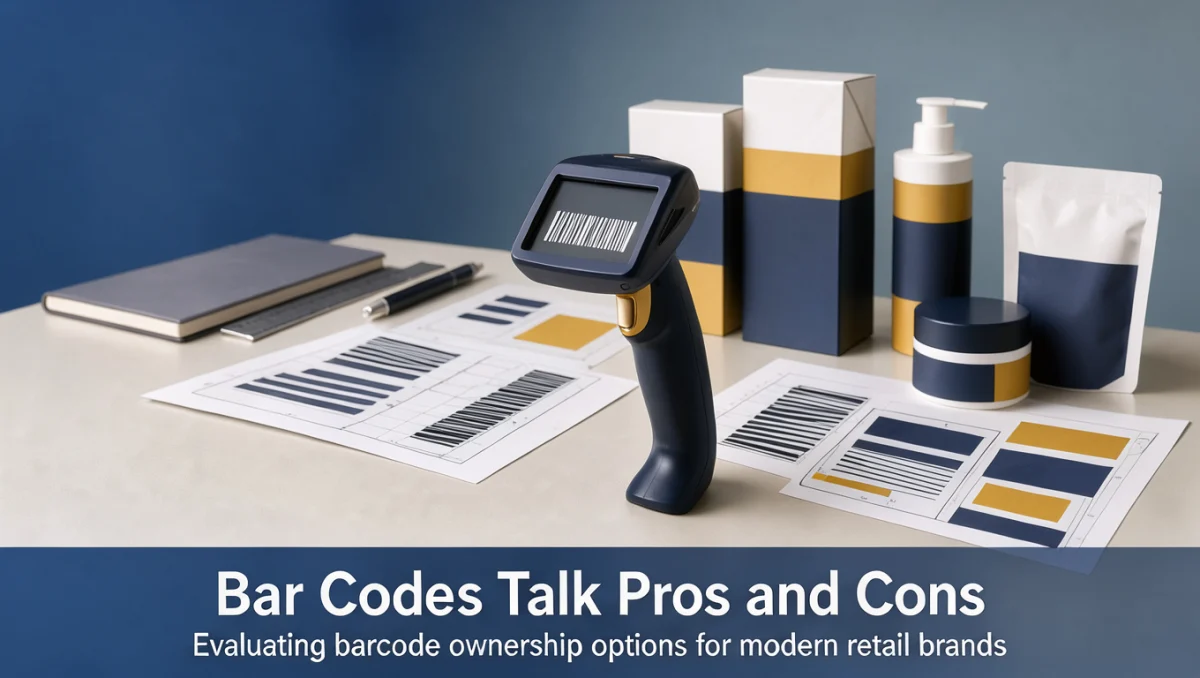
Choosing where to get product barcodes is a practical decision for brands, independent makers, and online merchants. Before you buy, it helps to understand whether secondary barcode numbers align with your sales plans. Authentic product identifiers are valuable, but they must be weighed against supply chain rules. This review examines those trade-offs so you can see where reseller barcodes make sense and where registering your own company prefix becomes necessary.
Bar Codes Talk supplies standard barcode numbers and graphic files for physical stores and digital sales, serving entrepreneurs who need product identification without managing an ongoing registry membership. Whether it suits you depends on matching your sales channels with the compliance rules of each buyer.
Quick verdict: With an overall topappreviewsites score of 7.8/10, this service fits independent producers and small merchants who need simple product numbers for boutique shops, regional distribution, or direct online sales. It is less suitable for large companies targeting major department store chains that require direct ownership of the corporate prefix.
| Metric | Evaluation Summary |
|---|---|
| topappreviewsites score | 7.8/10 |
| Best for | Makers and growing merchants who want lasting product identification without yearly administrative upkeep |
| Not ideal for | Brands negotiating distribution deals with major retail groups that require direct registry prefix verification |
| Key strengths | Quick access to standard universal product codes, lasting ownership, and complete digital artwork bundles |
| What to check before buying | Retailer vendor guidelines on company prefix verification in official supplier portals |
1. How topappreviewsites Reviewed Bar Codes Talk
This review looks at what Bar Codes Talk is designed to do, who it serves, and how it compares with similar tools. We assessed it against seven topappreviewsites criteria: features, ease of use, pricing and value, integrations, audience fit, support, and competitive position. Plans, prices, and limits change often, so we point out what to confirm on the official website before buying. This article was researched and drafted with the help of AI tools, then reviewed and edited by the topappreviewsites Editorial Team.
2. Quick Summary of Bar Codes Talk Pros and Cons
A balanced look at the bar codes talk pros and cons shows a practical route to product identification, along with clear limits on retail distribution. Merchants gain speed by obtaining legitimate numeric identifiers without recurring administrative cycles. However, large distributor systems may check ownership records against a vendor's legal name, which can create obstacles.
For product creators producing physical stock, barcode choice determines whether cartons scan smoothly at checkout and in distribution centers. Reviewing your options through Top App Review Sites helps founders judge these decisions against real retail requirements rather than marketing claims.
3. Pros of Bar Codes Talk
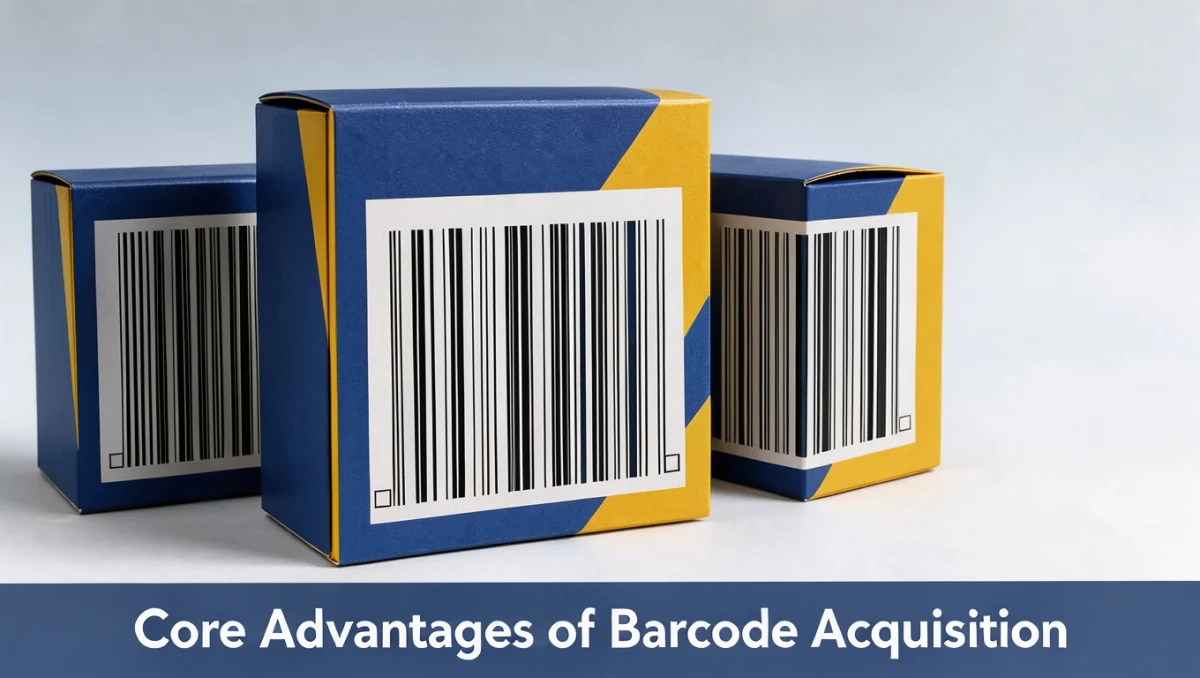
Understanding the operational advantages of Bar Codes Talk explains why many product manufacturers use third-party barcode providers when preparing packaging.
3.1. Lasting Number Assignment Without Recurring Registry Fees
Lasting assignment removes annual administrative paperwork from the packaging lifecycle. Once numbers are acquired, inventory teams can print symbols on cartons, labels, and hangtags without worrying about renewal invoices affecting catalog legitimacy. For businesses managing hundreds of product variations, removing recurring overhead makes cost forecasting across multi-year production runs simpler.
3.2. Production-Ready Vector and High-Resolution Graphic Files
Artwork generation gives packaging designers print-ready vector formats and high-resolution raster files. This standard package reduces graphic distortion during flexographic or digital printing, helping packaging pass barcode verification on automated assembly lines. Designers can place standard EPS or PDF barcode vectors directly into label templates without formatting delays.
3.3. Immediate Digital Delivery Speeds Production Timelines
Fast digital delivery allows packaging design and production scheduling to start right away. Product developers facing urgent factory deadlines can generate product numbers, create label proofs, and send final art files to commercial printers without waiting through lengthy membership checks. This quick turnaround helps lean product teams meet tight seasonal delivery windows.
3.4. Universal Product Identifiers for General Commerce
Individual number assignment provides standard numeric sequences that work across common point-of-sale hardware. Cash registers, optical scanners, and standard warehouse inventory scanners read these universal product codes and European article numbers accurately, allowing independent goods to move through conventional wholesale and ecommerce logistics channels.
4. Cons of Bar Codes Talk and Strategic Workarounds
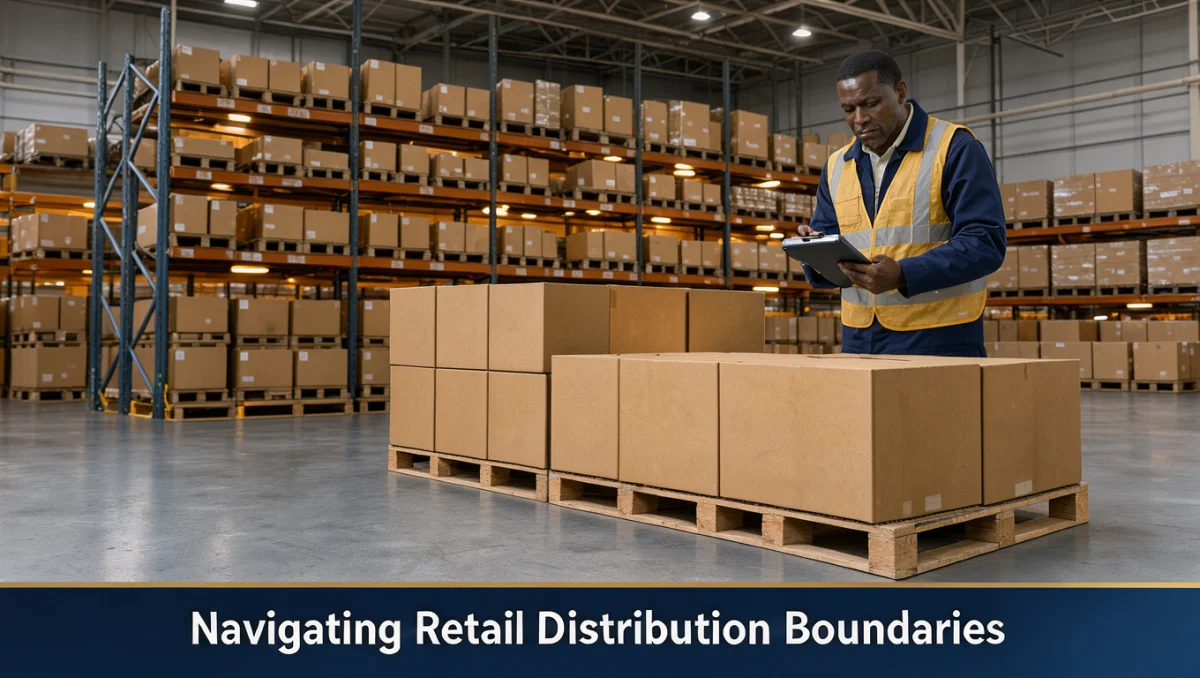
Examining operational limits helps businesses avoid unexpected distribution delays when negotiating distributor contracts.
4.1. Distributor Restrictions on Shared Company Prefixes
Major retail department chains and large warehouse clubs often require that supplier company names match the registered prefix holder in global barcode databases. When a merchant uses reseller numbers, the database shows the original prefix holder rather than the merchant brand. To prevent supply chain bottlenecks, brands should request vendor compliance manuals from target retailers before printing large runs of packaging.
4.2. Marketplace Database Verification Hurdles
Some large online marketplaces cross-check brand names against authoritative prefix records when new product listings are created. When database records do not match the brand entity, listing errors can occur. Sellers can work around this by completing formal brand registry enrollment or applying for legitimate identifier exemptions on the relevant marketplace platforms.
4.3. Lack of Centralized Enterprise Master Data Management
Reseller services focus on assigning numeric strings rather than maintaining dynamic cloud data synchronization between manufacturers and retail chains. Companies that need centralized product attribute exchange across multinational grocery networks must implement dedicated catalog software. Growing brands should assess whether their long-term retail accounts require synchronized data before standardizing on standalone barcode blocks.
5. Bar Codes Talk Pros and Cons Comparison Table
Comparing main strengths and trade-offs side by side helps operations managers evaluate risk before placing factory label orders.
| Operational Dimension | Primary Advantage | Identified Limitation | Recommended Action |
|---|---|---|---|
| Cost Structure | Lasting ownership without recurring maintenance fees | Low upfront cost does not override distributor vendor rules | Review retailer agreements before packaging runs |
| Digital Assets | Vector graphics ready for commercial print packaging | Graphic files must be checked against print substrate specs | Run press proofs to test scanner readability |
| Fulfillment Speed | Immediate delivery of identifiers and certificates | Database updates in downstream systems are not automatic | Upload product data into merchant portals promptly |
| Distribution Reach | Accepted by many regional and specialty grocers | Restricted by enterprise retail chains that require private prefixes | Audit target retail accounts in advance |
| Catalog Management | Simple number allocation for modest product catalogs | No native global data synchronization | Adopt standalone product information tools as catalogs grow |
6. Who Should Choose Bar Codes Talk
The right barcode source depends on your distribution strategy, target sales channels, and internal administrative scale.
6.1. Independent Makers and Boutique Producers
Artisanal food producers, craft beverage makers, and specialty apparel creators benefit from straightforward number purchasing. These businesses mainly sell through boutique shops, regional gift stores, farmers markets, and direct ecommerce sites. For these channels, lasting numbers provide full point-of-sale functionality without heavy overhead.
6.2. Small Business Owners and Regional Wholesalers
Regional consumer goods companies expanding into independent grocers and local retail cooperatives find third-party barcodes practical. These outlets need standard scannable codes for checkout and inventory, and they rarely enforce the strict prefix validation found in national department store chains.
6.3. Ecommerce Brand Builders and Direct-to-Consumer Sellers
Direct-to-consumer brands running their own web stores alongside niche online marketplaces can manage operations cleanly with reseller codes. When sales flow mainly through brand-owned channels, internal inventory systems, and third-party fulfillment centers, standard universal numbers handle warehouse routing reliably.
6.4. Organizations That Should Look Elsewhere
Enterprises planning national launches into major department stores, nationwide supermarket groups, or multinational big-box retailers should avoid third-party reseller codes. These retailers run strict automated vendor compliance systems that reject catalogs whose company prefix does not match the exact corporate legal entity registered in central databases.
7. How to Evaluate Barcode Providers Before Purchasing
Systematic checks before investing in packaging production protect your products from costly redesigns or distributor rejections.
7.1. Audit Target Retailer Vendor Compliance Handbooks
Every major retail buyer issues a vendor compliance manual covering packaging, ticketing, and barcode requirements. Review these guidelines to see whether the retailer specifies prefix ownership or only requires standard scannable symbols. Knowing these terms helps you avoid costly compliance chargebacks.
7.2. Inspect Verification Documentation and Chain of Custody
Legitimate barcode providers should supply documentation showing clean legal origin and a clear chain of custody. Confirm that the vendor provides certificates of authenticity alongside digital barcode graphics. Reputable providers keep clear operating standards and offer support teams who can explain documentation origin to new merchants.
7.3. Test Print Legibility on Actual Packaging Materials
A barcode number is only useful if optical scanners can read the printed symbol on retail shelves. Packaging teams should print proofs on the actual carton board, shrink sleeves, or foil stock. Check print contrast and make sure adequate quiet zones remain on both sides of the barcode to prevent scanning failures.
8. Frequently Asked Questions
What should merchants check before printing barcodes on final packaging?
Merchants should review their main retail distributor's compliance manual to confirm whether direct registry prefix ownership is required. Packaging teams should also print sample proofs on final packaging materials to test scanner readability and confirm that adequate blank margins surround the barcode.
How do retail barcode scanners interpret third-party numbers?
Optical scanners at checkout do not read brand names or database ownership records from printed bars. Instead, they capture light reflected from black bars and white spaces and convert the pattern into a standard numeric string, which the retailer's inventory system matches against its internal product database.
Why do some major retail chains reject reseller barcode numbers?
Some large department stores and national retail groups maintain strict vendor verification protocols. Their automated systems check supply chain databases to confirm that the barcode prefix belongs to the vendor's legal corporate name, which helps prevent duplicate product entries across large supplier networks.
What additional costs come with preparing product packaging?
Beyond buying barcode numbers, brand owners should budget for professional packaging design, plate setup fees with commercial printers, barcode verification scans, and possible listing fees on digital marketplaces. Getting contrast and dimensions right usually requires close work with print production specialists.
Where can buyers verify barcode guidelines for specific retailers?
Buyers should consult the official vendor portal or supplier compliance manual provided by each retail account. Supplier relationship teams publish detailed specifications on label dimensions, placement, quiet zones, and prefix registration policies within their supplier onboarding documents.
9. Final Verdict on Bar Codes Talk
Evaluating Bar Codes Talk means balancing speed and lasting asset ownership against strict retail compliance rules. For growing businesses selling through independent retail, regional distribution, and their own digital channels, third-party barcode acquisition is a dependable, cost-conscious route to market readiness.
| topappreviewsites Criterion | Score /10 | Reason |
|---|---|---|
| Features | 7.2/10 | Provides complete standard digital vector and raster artwork bundles along with verified numeric identifiers. |
| Ease of Use | 8.8/10 | A simple acquisition workflow delivers numeric assignments quickly without complex administrative steps. |
| Pricing and Value | 7.9/10 | Lasting ownership removes ongoing maintenance commitments, which benefits lean operations. |
| Integrations | 7.0/10 | Delivers static graphics and numeric data without automated enterprise catalog synchronization. |
| Audience Fit | 8.5/10 | An excellent match for independent makers, boutique brands, and regional wholesale suppliers. |
| Support | 7.4/10 | Assistance focuses on order fulfillment and asset delivery rather than enterprise supply chain consulting. |
| Competitive Position | 7.6/10 | Holds a clear role for affordable product numbering, distinct from direct global registry prefix models. |
Overall score: 7.8/10
For independent artisans, boutique brands, and regional consumer product makers, Bar Codes Talk is a straightforward, practical option that speeds up packaging timelines. Organizations planning rapid rollouts across multinational big-box chains should evaluate direct registry licensing to make sure it meets corporate vendor requirements.
Have questions about retail compliance or software evaluation? Reach out to our team at https://topappreviewsites.com/contact/ or follow topappreviewsites on LinkedIn at https://www.linkedin.com/company/topappreviewsites/.
See More Customer Service