topappreviewsites may earn a commission when you buy through links on this page, at no extra cost to you. This does not affect our ratings.
When merchants sell across several channels, the real challenge is keeping stock counts honest. The finale inventory features we examine here are built to help multichannel sellers reconcile units, plan purchases, and move orders through the warehouse. Our assessment at Top App Review Sites looks at how this kind of operational software fits everyday merchant routines and storage realities.
Choosing an inventory tool starts with sizing up your own complexity: how many orders you process, how many channels feed them, and how quickly stock moves. Below we walk through how the platform behaves in standard operations and which areas deserve scrutiny before you commit.
Quick verdict: Finale Inventory earns 8.0/10. It fits growing multichannel brands and wholesale distributors that want one place to watch stock across many sales touchpoints. It is a weaker match for micro-businesses that only need basic single-channel tracking without warehouse overhead.
| Metric | Details |
|---|---|
| topappreviewsites score | 8.0/10 |
| Best for | Growing multichannel brands and wholesale distributors managing multiple storage locations. |
| Not ideal for | Solo operators or very small shops needing only basic single-location spreadsheets. |
| Key strengths | Centralized multichannel inventory synchronization, purchase order management, and stock allocation. |
| What to check before buying | Confirm user limits, storage tier allowances, and integration specifics on the official vendor page. |
1. How topappreviewsites Reviewed Finale Inventory
We assessed what Finale Inventory is designed to accomplish, the customers it targets, and how it stacks up against comparable tools. Our evaluation used seven topappreviewsites criteria: features, ease of use, pricing and value, integrations, audience fit, support, and competitive position. Because plans, prices, and limits shift frequently, we flag the items you should verify directly on the official website. This article was researched and drafted with AI assistance, then reviewed and edited by the topappreviewsites Editorial Team.
2. What Finale Inventory is and who it serves
Finale Inventory is an inventory management platform built to centralize stock control, warehouse workflows, and multi-location fulfillment for product-based companies. Its core audience is growing merchants, brand owners, and wholesale businesses that juggle complicated order flows across online storefronts and physical depots.
When stock lives in disconnected marketplace dashboards, overselling and stockouts follow quickly. Teams looking for a stronger operational backbone for E-commerce distribution often adopt this category of software to keep procurement, storage, and dispatch in step.
- Growing multichannel retailers handling orders from marketplaces and independent storefronts.
- Wholesale suppliers coordinating bulk orders and distributor shipments.
- Warehouse teams that need location tracking and structured receiving routines.
3. What Finale Inventory helps you do
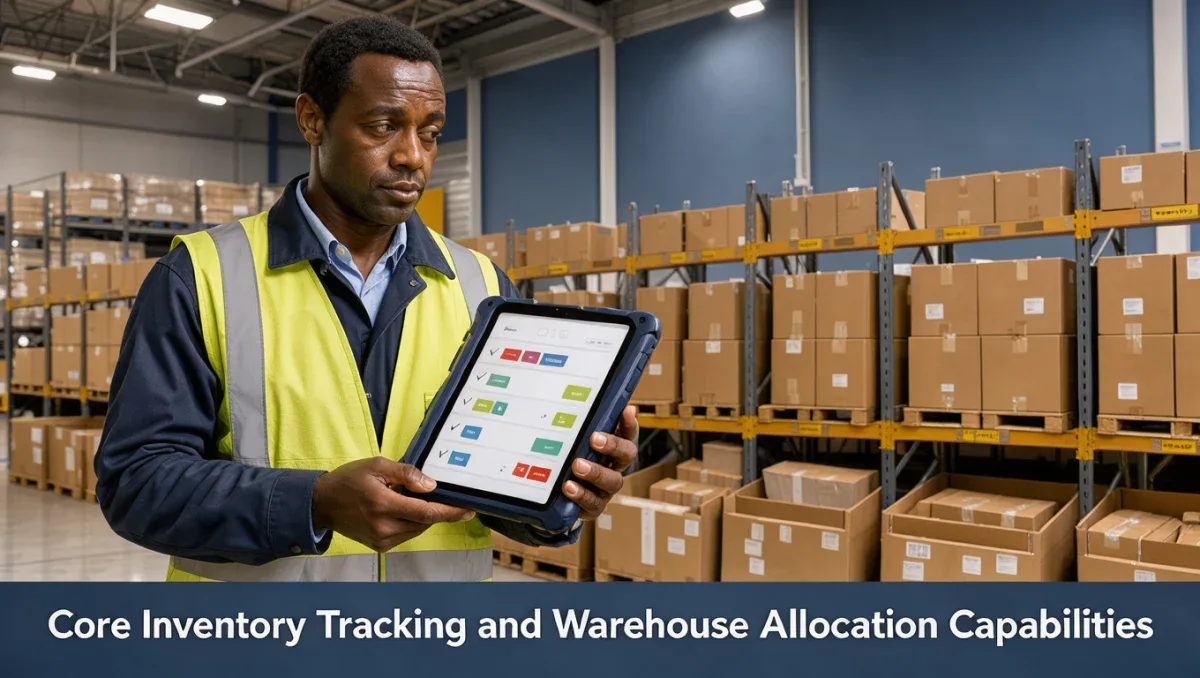
A close look at the platform's core functions shows a design centered on end-to-end stock control and fulfillment. Buyers should measure each area against how their team already works.
3.1. Centralized stock and inventory tracking
The system lets you monitor product counts across several physical warehouses, virtual locations, and goods in transit. You can check availability, units reserved for open orders, and reorder thresholds without reconciling separate spreadsheets by hand. During a trial, test batch tracking, serial number capture, and stock transfers between locations.
3.2. Multichannel order synchronization and allocation
Fulfillment staff can handle orders arriving from different online marketplaces and wholesale channels inside one shared framework. Shared inventory levels update across channels, which helps limit overselling. Check how reservation rules behave when several storefronts spike at the same time.
3.3. Purchasing and supplier management
Procurement tools help managers track vendor purchase orders, receive partial shipments, and watch supplier lead times. Setting reorder points from historical sales velocity can prevent shortages. Try creating purchase orders and reconciling incoming receipts during evaluation.
3.4. Warehouse picking and packing coordination
Warehouse staff can run order fulfillment through batch picking, packing confirmation, and shipping coordination. These steps tend to cut mispicks and speed dispatch in high-volume settings. Assess how pick lists are generated and how packed cartons are verified before they leave the building.
4. Ease of use and learning curve
Platforms that support multi-location tracking and warehouse fulfillment naturally require an adjustment period. Finale Inventory expects teams to grasp core concepts such as stock allocation, unit of measure conversions, and transfers between locations.
Non-technical staff can pick up daily receiving and picking routines fairly quickly when clear written procedures exist. Setting up the initial product catalog, defining location hierarchies, and establishing channel sync rules, however, will need focused attention from an administrator.
- Initial setup calls for clean catalog data, accurate SKU structure, and labeled warehouse locations.
- Daily fulfillment tasks follow repeatable patterns that warehouse staff can learn through structured onboarding.
- Administrative work requires familiarity with inventory reconciliation and purchasing practices.
5. A two-week evaluation plan for Finale Inventory
Before committing budget and operational effort to enterprise inventory software, put it through a structured test. This fourteen-day plan walks prospective users through the key checkpoints.
- Days 1 to 3: Catalog setup and location mapping. Import a representative set of SKUs that includes variants, bundled items, and distinct supplier codes. Create warehouse locations and virtual holding bins, and confirm the storage hierarchy matches your actual facilities.
- Days 4 to 7: Procurement and stock receiving. Create sample purchase orders for several vendors, post incoming receipts, and practice handling partial deliveries. Confirm that received items correctly update available stock in each bin.
- Days 8 to 11: Multichannel fulfillment and allocation. Simulate incoming customer orders under different scenarios, including backorders and split shipments. Verify that allocation rules reserve units correctly and that pick sheets show the current item locations.
- Days 12 to 14: Reporting, reconciliation, and team feedback. Run valuation summaries and turnover reports, and compare physical counts against system balances. Collect feedback from warehouse operators and procurement managers on daily usability and administrative oversight.
6. Where Finale Inventory shines and where it may fall short
Operational platforms bring clear strengths along with trade-offs that depend on business maturity and internal resources. Reviewing these points helps you set realistic expectations before adoption.
| Area | Shines when | May fall short when |
|---|---|---|
| Multichannel stock control | Businesses handle inventory across varied digital storefronts and physical depots. | Merchants sell through a single platform with no off-channel orders. |
| Warehouse management | Teams operate dedicated warehouse aisles, bins, and structured picking procedures. | Operators pack small volumes directly from shelves in a home office. |
| Operational flexibility | Companies need custom order statuses and bespoke stock categorization. | Teams prefer simple pre-configured software that requires no workflow changes. |
| Learning investment | Organizations can set aside managerial hours to train warehouse staff. | Solo proprietors expect full operational mastery within an hour of setup. |
7. Finale Inventory compared with similar tools
Seeing where Finale Inventory sits in the wider software landscape helps match it to your operating profile. Buyers usually weigh platforms by target business size and core design focus.
| Tool | Best for | Core focus |
|---|---|---|
| Finale Inventory | Multichannel merchants and growing wholesale distributors | Centralized inventory tracking, warehouse fulfillment, and order allocation |
| Cin7 | Growing brands needing connected point-of-sale and B2B portal options | Unified commerce workflows spanning retail, wholesale, and online channels |
| Katana Cloud Manufacturing | Direct-to-consumer and wholesale product makers | Visual production planning, raw material management, and workshop scheduling |
| inFlow Inventory | Small to mid-sized businesses seeking straightforward wholesale stock management | B2B order processing, barcoding, and lightweight sales quoting |
8. Who should use Finale Inventory
Different business models call for different levels of inventory control. Use the profiles below to judge strategic fit.
| User profile | Recommendation | Operational rationale |
|---|---|---|
| Freelancers and solo creators | Not recommended | Overly complex for digital services or light individual physical merchandise. |
| Small business retailers | Consider conditionally | Beneficial if selling across multiple digital channels with dedicated stock holding. |
| Wholesale distributors | Recommended | Handles bulk purchasing, partial receipts, and multiple depot locations effectively. |
| E-commerce brand owners | Recommended | Coordinates high-velocity orders and prevents overselling across digital marketplaces. |
| Office administrative teams | Not recommended | Standard internal supplies tracking does not require warehouse fulfillment architecture. |
9. Pricing at a glance
Commercial inventory solutions generally run on tiered monthly or annual subscriptions. Your total cost depends on several variables, which you should review on the official vendor website before signing anything.
- Confirm order volume limits on the official Finale Inventory pricing page, since exceeding monthly transaction allowances can trigger a tier upgrade.
- Check how many user seats and warehouse locations are included so you can anticipate subscription changes as your team grows.
- Find out whether advanced barcoding or developer connections require a specific plan tier or extra fees.
10. Frequently asked questions
Which businesses gain the most value from Finale Inventory?
Multichannel merchants, brand owners, and wholesale suppliers that run dedicated storage facilities benefit the most. Companies moving significant order volume across digital marketplaces gain from real-time stock allocation and clearer purchasing oversight.
What should teams prepare before configuring the software?
Organizations should tidy their SKU database, gather vendor catalogs, document warehouse bin layouts, and define standard receiving steps. Clean item identifiers and accurate physical counts speed up onboarding considerably.
How should managers test the platform before committing?
Run realistic cycles that cover purchase order creation, partial receiving, multi-location stock movements, and pick-pack simulations. Testing edge cases such as returns and split shipments confirms that the process will work in practice.
When should an organization seek outside implementation help?
Companies with intricate multi-warehouse operations, extensive product assemblies, or complicated legacy data should consult experienced operations specialists. Professional onboarding helps prevent inventory discrepancies during data migration.
11. Final verdict
Finale Inventory offers a capable operational foundation for product businesses managing multichannel growth and multi-location storage. Organizations moving beyond spreadsheets or basic marketplace dashboards gain stronger control over purchasing, stock reservations, and warehouse dispatch.
| Criterion | Score /10 | Reason |
|---|---|---|
| Features | 8.5 | Deep stock allocation, multi-location tracking, and purchasing workflows suit growing merchants. |
| Ease of use | 7.2 | Operational depth introduces a distinct learning curve for administrative and warehouse staff. |
| Pricing and value | Confirm before buying | Review transaction volume bands and user limits on the official vendor pricing page. |
| Integrations | Confirm before buying | Confirm compatibility with your specific storefronts, marketplaces, and accounting tools officially. |
| Audience fit | 8.0 | Directly aligns with multichannel retailers and wholesale distributors managing storage depots. |
| Support | Confirm before buying | Check official communication channels, availability windows, and onboarding assistance tiers. |
| Competitive position | 8.3 | Presents a focused warehouse and allocation architecture compared to generic inventory apps. |
| Overall score | 8.0 | Balanced operational platform for scaling product-driven merchant operations. |
Have a question about choosing software? Reach the topappreviewsites team through our contact page or follow topappreviewsites on LinkedIn for new reviews and comparisons.