Our editorial team may earn a commission when you buy through links on this page, at no extra cost to you. This does not affect our ratings.
Many marketplace sellers ask whether BidX offers a no-cost option before committing to any ad tool. Before you assume free access, it helps to understand how advertising automation platforms are typically packaged and what they cost to run.
Software pricing for ad optimization depends on how the vendor bundles its features. Rather than guessing about complimentary access, advertisers should weigh bid adjustments, keyword research, and campaign automation against their revenue goals before spending money.
Quick verdict: BidX scores 7.7/10 in our review. It suits marketplace merchants and agencies that want structured rule creation and automated bid changes. It is less appropriate for occasional advertisers with minimal campaign activity or teams that do not want to review subscription terms. Confirm the current answer to is bidx free through official announcements before you make any commitment.
| Evaluation Dimension | Summary Assessment |
|---|---|
| topappreviewsites score | 7.7/10 |
| Best for | Sellers and agencies seeking structured rule-based ad optimization |
| Not ideal for | Infrequent advertisers without regular campaign management needs |
| Key strengths | Rule-driven bid automation and multi-campaign keyword harvesting |
| What to check before buying | Tier structures, monthly spend commitments, and account terms |
1. How topappreviewsites Reviewed BidX
This review examines what BidX is built to do, who it serves, and how it compares with similar tools. We applied seven topappreviewsites criteria: features, ease of use, pricing and value, integrations, audience fit, support, and competitive position. Plans, prices, and limits change frequently, so we highlight what to confirm on the official website before purchasing. This article was researched and drafted with AI assistance, then reviewed and edited by the topappreviewsites Editorial Team.
2. What Is BidX and Is BidX Free for Marketplace Sellers?
Is BidX free as a permanent utility, or does it run on commercial licensing? BidX is a dedicated advertising management platform that helps marketplace merchants build, adjust, and supervise pay-per-click campaigns across digital channels. The software focuses on programmatic keyword harvesting, negative keyword placement, and rule-based bid changes that keep campaigns within target advertising costs.
Prospective subscribers often look for zero-cost tools to manage marketing budgets. Across the marketplace software sector, ad automation systems need ongoing computing resources to sync campaign data and run algorithmic adjustments. For that reason, vendors generally use subscription models rather than permanent free access. Consult the official BidX website to see current trial structures or introductory promotional terms.
When evaluating modern enterprise applications, dependable Artificial Intelligence tooling helps teams separate basic automated scripts from advanced learning models. Sellers should confirm directly with the vendor whether a trial requires payment details upfront, so there are no surprises before onboarding a product catalog.
3. Core Advertising Management Capabilities

BidX organizes its toolset around the routine work needed to keep marketplace campaigns productive. Its core functions reduce repetitive manual oversight while keeping ad spend disciplined.
3.1. Automated Bid Adjustments and Custom Rules
Automated bid management lets advertisers set conditional parameters based on key metrics such as advertising cost of sale, click-through rate, and conversion frequency. When performance moves outside preset benchmarks, the system raises or lowers unit bids automatically. This keeps marketing funds flowing toward productive targets and limits spend on search queries that do not convert.
3.2. Keyword Harvesting and Negative Targeting
Effective advertising depends on continuously discovering relevant consumer search terms. The platform harvests profitable queries from broad or phrase campaigns and moves them into exact match structures. At the same time, queries that generate cost without sales are routed into negative keyword lists, protecting overall campaign efficiency.
3.3. Campaign Creation and Structure Templates
Logical campaign organization is central to advertising governance. The software provides frameworks for building structured campaign architectures across individual products or entire catalog variations. Standardized naming patterns, ad group divisions, and keyword distribution templates help sellers avoid cluttered setups that make performance analysis difficult.
3.4. Analytics and Performance Reporting Dashboards
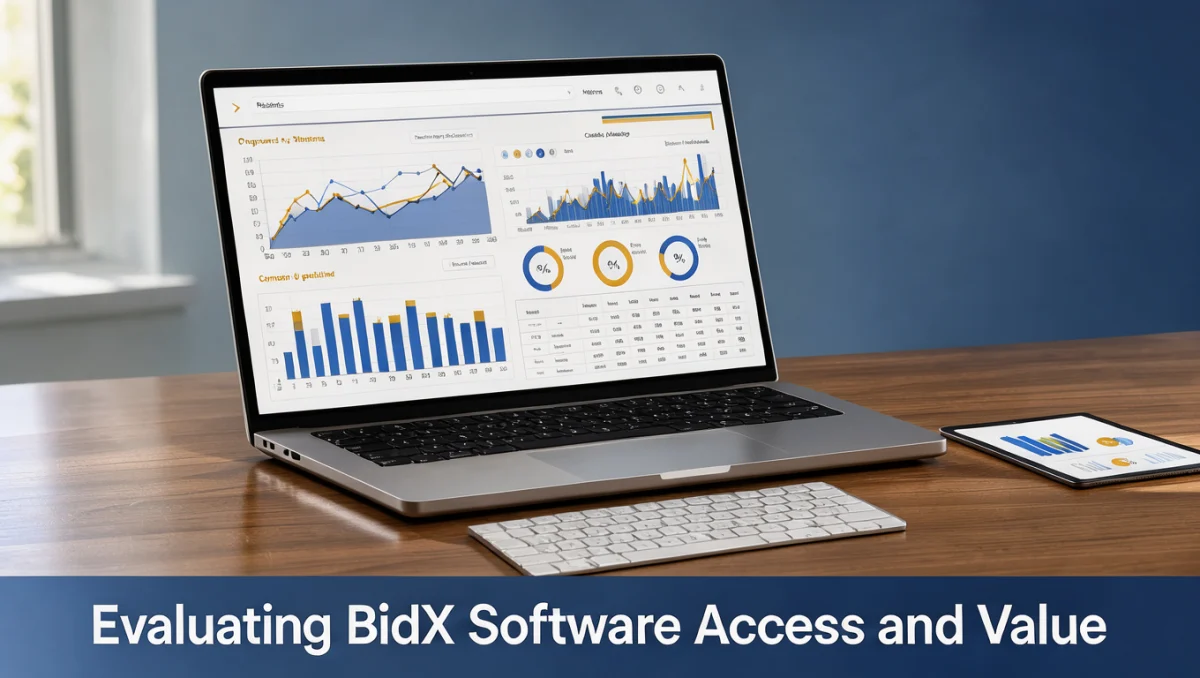
Visual reporting dashboards condense complex advertising metrics into clear overviews. Users can review sales trends, total ad spend, unit profitability, and target benchmarks across specific timeframes. These modules help campaign managers make informed decisions about seasonal promotions and product launches.
4. Ease of Use and Workflow Learning Curve
Adopting any advertising management platform involves an initial learning curve, centered on rule logic and interface navigation. Building conditional automation rules requires clear tactical planning, since incorrect threshold inputs can unintentionally limit campaign visibility or inflate bid levels.
The administrative layout groups navigation menus into distinct areas for campaign creation, rule construction, and financial summaries. Newer users may find it tricky at first to see how conditional triggers interact across nested ad groups. Once standard automation templates are configured, however, daily oversight shifts toward monitoring performance dashboards.
For agencies handling several brand accounts, centralized dashboards simplify routine status reviews. Buyers should expect an onboarding period while staff learn rule hierarchy, metric definitions, and dashboard filtering.
5. Pros and Cons of BidX
Evaluating an advertising platform means weighing its operational strengths against its practical limitations.
5.1. Platform Strengths
- Systematic automation rules reduce the time spent on manual keyword bids across large catalogs.
- Automated keyword discovery finds converting search queries without manual spreadsheet exports.
- Negative keyword automation shields budgets from non-performing clicks.
- Consolidated analytics provide clarity on key advertising cost benchmarks.
5.2. Practical Considerations and Workarounds
- Algorithmic management still requires regular strategic oversight. Managers should schedule weekly audits to confirm rule triggers reflect shifts in catalog margins.
- Initial configuration takes analytical preparation. Drafting rule parameters on paper before entering them in the software helps prevent setup errors.
- Subscriptions are a fixed operating cost. Advertisers should assess whether their ad volume justifies the expense of third-party software.
6. BidX Compared With Similar Advertising Platforms
Marketplace sellers typically weigh BidX against recognized industry alternatives, each aimed at different operational needs. Understanding how these tools are positioned helps clarify which fits your scale.
| Software Solution | Primary Market Positioning | Core Functional Focus | Ideal Consideration Scenario |
|---|---|---|---|
| BidX | Dedicated advertising automation | Rule-driven bidding and keyword mining | Teams prioritizing specialized PPC automation |
| Helium 10 | All-in-one marketplace seller suite | Product research, inventory, and marketing | Sellers seeking comprehensive catalog management |
| Jungle Scout | Broad commercial management platform | Supplier tracking, sales analytics, and ads | Brands wanting integrated research and operations |
| Perpetua | Enterprise advertising optimization | Goal-based programmatic campaign execution | Large brands managing sophisticated multi-retailer media |
All-in-one suites such as Helium 10 and Jungle Scout offer broad utilities spanning product research, inventory estimation, and financial reconciliation. BidX concentrates on advertising execution. Sellers who want one tool for every part of retail operations often prefer the broad suites, while brands that already use separate operational tools may prefer specialized ad automation.
Platforms such as Perpetua approach media management through high-level objective setting, which appeals to enterprise brands. Your internal operating philosophy determines whether rule-centric customization or a broader software suite will serve you better.
7. Who Should Choose BidX for Campaign Management
Organizational needs determine whether an ad automation platform will deliver a positive impact. Prospective subscribers should match their team's capabilities to what the platform expects.
7.1. Brand Owners and Private Label Sellers
Brand operators with steady sales volume benefit from systematic bid discipline. Once a catalog grows beyond a handful of listings, adjusting keyword bids manually across dozens of ad groups becomes inefficient. Automating search term harvesting lets private label owners capture growing demand without losing control of advertising cost metrics.
7.2. Digital Marketing Agencies and Account Managers
Agencies supervising multiple brand accounts need consistent operating structures. Rule-based frameworks let strategists apply proven advertising methods across separate client portfolios efficiently. Standardized reporting modules also help agency staff present performance metrics during regular client reviews.
7.3. Casual Sellers and Low-Volume Merchants
Merchants with very small catalogs or occasional advertising campaigns rarely need advanced rule engines. If you run only a few campaigns with modest monthly ad spend, the built-in advertising consoles on marketplaces usually suffice. A specialized subscription adds unnecessary overhead when manual management takes only a few minutes each week.
8. Is BidX Free or Paid: How to Select the Right Plan
Is free access realistic for growing merchants, or should teams budget for commercial tiers? Navigating procurement means understanding how software vendors structure their pricing.
In most advertising software, tier pricing scales with total monthly ad spend, the number of connected brand accounts, or access to advanced features. Buyers should review the official BidX pricing page to confirm exact tier thresholds, seat allowances, and cancellation terms before providing payment details.
| Verification Point | Commercial Relevance | Primary Evaluation Target |
|---|---|---|
| Ad spend thresholds | Tier costs often rise as advertising volume grows | Growing brands scaling monthly campaigns |
| Account connections | Managing multiple storefronts may require higher tiers | Agencies and multi-brand operators |
| Automation refresh rates | Frequency of bid updates can vary across plans | High-velocity competitive product categories |
| Reporting history depth | Long-term data retention affects seasonal planning | Established enterprises tracking annual trends |
To avoid budget surprises, run an internal financial check. Estimate your projected ad spend for the next two quarters, count the team members who need concurrent access, and confirm whether an introductory promotion must be cancelled manually to avoid automatic renewal charges.
Independent research hubs like Top App Review Sites stress that buying software without verifying how its tiers work often leads to premature upgrades or unexpected costs.
9. Frequently Asked Questions About BidX
9.1. How should a business evaluate software subscription costs against advertising budgets?
Treat the subscription as overhead alongside direct ad spend. Compare the time saved by automated bid adjustments and the reduction in wasted spend against the recurring fee. If software costs take up an excessive share of total ad spend, staying with native advertising interfaces may be the safer financial choice.
9.2. What preparation is needed before activating automated bidding rules?
Before enabling automated rules, campaign managers should set concrete financial benchmarks, including target advertising cost of sale, minimum conversion rates, and gross profit margins. Recording baseline performance lets teams judge whether automation beats earlier manual efforts. Establishing campaign naming conventions in advance also prevents rule errors across unrelated product groups.
9.3. Should campaign managers keep auditing manually after deploying automation software?
Routine manual audits remain essential even with advanced automation. Bid rules run on historical performance data and preset parameters, so they cannot anticipate sudden inventory stockouts, competitor price changes, or shifts in consumer demand. Weekly reviews keep automation settings aligned with overall commercial strategy.
9.4. How do catalog size and campaign complexity influence software selection?
Catalog size directly affects management complexity. Sellers with a single product can usually keep bids and search term hygiene under control manually in marketplace consoles. Organizations managing hundreds of active targets benefit far more from programmatic harvesting and centralized alerts, which makes a dedicated software investment easier to justify.
10. Final Verdict on BidX
In our final evaluation, we assess how BidX addresses the operational demands of marketplace advertising using the seven topappreviewsites criteria.
| Evaluation Criterion | Score /10 | Reasoning and Operational Assessment |
|---|---|---|
| Features | 8.5 | Provides dedicated rule builders, keyword harvesting, and negative keyword automation. |
| Ease of Use | 7.8 | Structured interface, though configuring complex rule logic requires an initial learning phase. |
| Pricing and Value | 7.2 | Buyers must verify spend thresholds and plan terms on the official website to confirm value. |
| Integrations | 7.4 | Connects with primary marketplace ad systems; users should check coverage for their sales regions. |
| Audience Fit | 8.6 | Strong fit for brand owners, high-volume sellers, and agencies running active campaigns. |
| Support | 7.0 | Documentation and support channels should be verified on the official website before onboarding. |
| Competitive Position | 7.7 | Focuses on advertising automation rather than broad catalog research and operational tooling. |
Overall topappreviewsites score: 7.7/10.
For sellers with growing ad budgets who spend hours each week on manual bid adjustments, BidX offers structured rule engines that enforce disciplined spending. Casual merchants and brands with modest budgets should check current pricing on the official website to determine whether a third-party subscription makes sense for their returns.
For more guidance or software questions, contact our team at https://topappreviewsites.com/contact/ or follow us on LinkedIn at https://www.linkedin.com/company/topappreviewsites/.