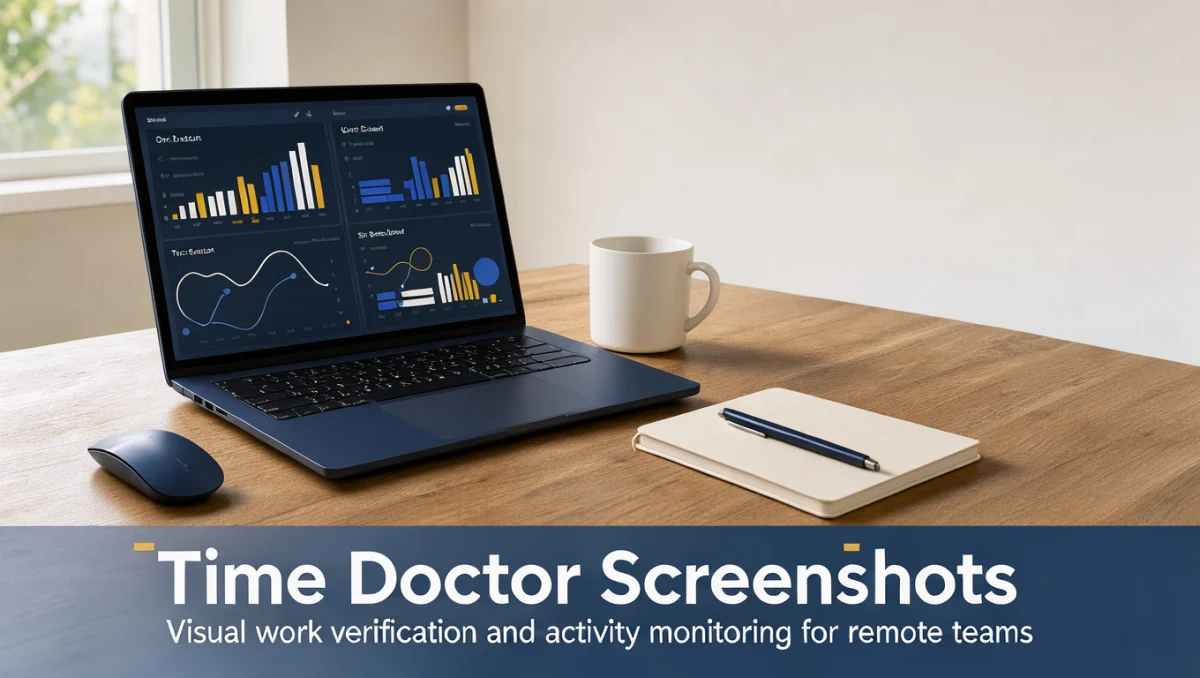
Time Doctor screenshots offer remote teams a visual layer of proof for active working hours. Managers gain a clearer picture of task progress and focus, but deploying any employee monitoring software calls for careful thought about capture frequency, blur controls, and admin permissions. Here, time doctor screenshots are examined alongside the wider time tracking picture, with practical considerations rather than unverified technical claims. Top App Review Sites has put together this assessment for buyers weighing their options.
Captured images complement keyboard activity data and logged work duration, giving a fuller verification trail. Yet automated capture always involves a tension between accountability and individual privacy, a balance that shifts with company policy and local regulation. Choosing a sensible protocol keeps oversight meaningful without eroding trust inside the team.
Quick verdict: With an overall rating of 7.5 out of 10, this platform fits distributed agencies and firms that bill remote contractors by the hour. It is a weaker match for organizations that want silent background observation or teams judged solely on project milestones.
| Evaluation Factor | Summary |
|---|---|
| Overall score | 7.5 / 10 |
| Best for | Managers and remote organizations needing visual work proof for hourly contracts. |
| Not ideal for | Workplaces that judge performance only on milestone outputs without interval tracking. |
| Key strengths | Integrated time logging paired with configurable capture intervals and activity recording. |
| What to check before buying | Review official plan specifications to see which tier includes adjustable capture rates and blur options. |
1. How We Assessed Time Doctor
This review covers what the software is built to do, who it serves, and how it stacks up against comparable tools. We judged it against seven criteria: features, ease of use, pricing and value, integrations, audience fit, support, and competitive position. Plans, prices, and limits change frequently, so we flag what to confirm on the official website before purchasing. The article was researched and drafted with AI assistance, then reviewed and edited by the Top App Review Sites Editorial Team.
2. What Time Doctor Is and Who Uses It
Time Doctor is a time tracking and workforce analytics platform built to record work intervals, verify productivity, and simplify timesheet administration. It addresses the needs of distributed companies that must track billable client hours, understand workload distribution, and keep proof of work across different locations.
Modern businesses lean on automated logging within the Collaboration & Productivity category to keep remote departments accountable. Team members start and stop timers against specific tasks, while the system records activity indicators that support transparent billing.
The typical audience includes:
- Digital marketing and creative agencies managing client deliverables.
- Software development shops coordinating remote technical talent.
- Business process outsourcing firms running dedicated support workflows.
- Independent contractors who need automated records for hourly invoicing.
3. Core Features and Screenshot Functionality
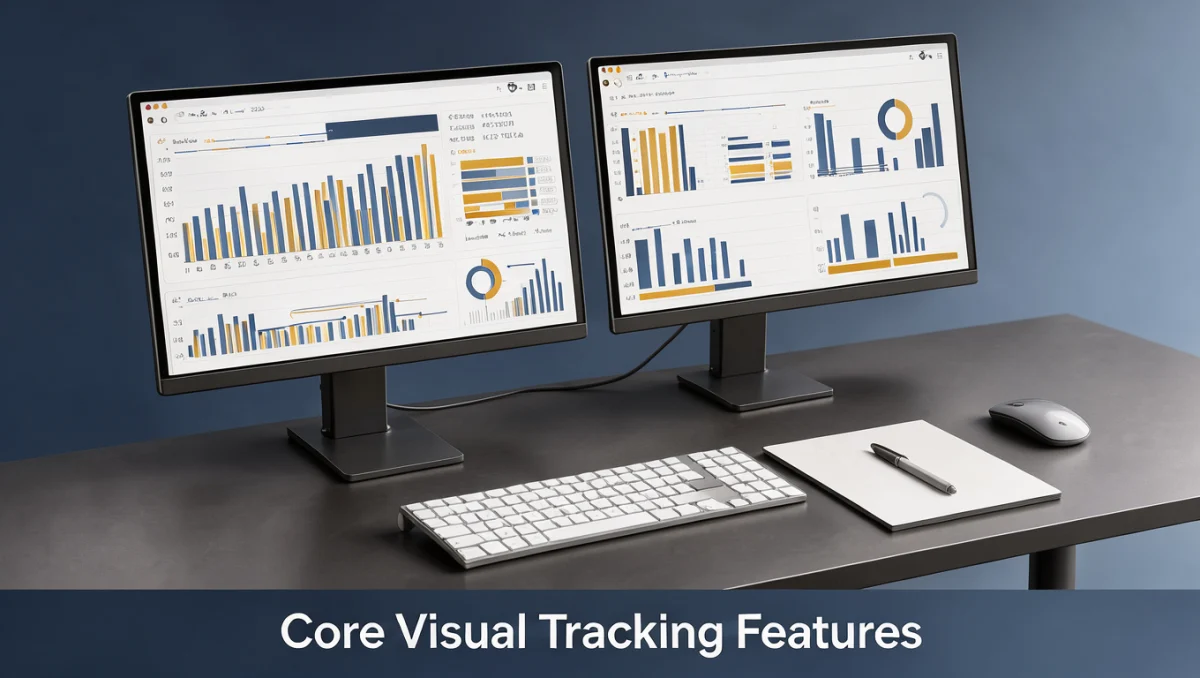
The core capabilities revolve around logging billable time, documenting user activity, and summarizing workflows. Knowing these helps buyers judge fit.
3.1. Interval Screen Capture and Visual Verification
Screen capture takes periodic snapshots of desktop displays during active sessions. Many workforce platforms let administrators set capture intervals or apply blur filters, so buyers should confirm the exact privacy options on the official Time Doctor site.
Visual records protect both client and provider by showing that work happened on designated assignments during logged intervals. This reduces billing disputes over recorded blocks.
3.2. Time Tracking and Timesheet Management
Users start timers tied to projects, tasks, or clients, building chronological records of daily output. These logs roll up into timesheets that administrators review before approving payroll or preparing itemized client invoices.
3.3. Application and Website Activity Monitoring
The platform notes which applications and website domains are accessed while a timer runs. This catalog helps managers spot workflow bottlenecks and see how software is adopted across remote groups.
3.4. Productivity Metrics and Idle Detection
Input tracking measures keystrokes and mouse movement to estimate engagement during recorded sessions. After prolonged inactivity with a timer running, the system prompts the user to confirm they are still active, which keeps breaks from being logged inaccurately.
4. Ease of Use and Implementation Workflow
Rolling out automated monitoring requires clear communication and methodical setup to avoid employee friction. Implementation typically moves through these phases.
- Policy formulation: Write transparency policies that spell out what data is collected, when capture occurs, and who can access the files.
- Administrative onboarding: Set up project categories, assign role permissions, and calibrate monitoring preferences.
- Team deployment: Distribute installers with guidance on starting and pausing tracking.
- Workflow calibration: Run trial sessions to confirm task categories match daily responsibilities.
The learning curve is gentle for front-line workers who only toggle timers, while managers need more time to learn reporting filters and permission hierarchies.
5. Pros and Cons of Automated Screen Capture
Visual tracking brings real operational advantages, along with procedural hurdles that leadership has to manage.
5.1. Advantages
- Creates objective documentation that ends disputes over billable remote hours.
- Highlights workflow distractions by showing non-work applications opened during company time.
- Helps project leads confirm that contractors stay focused on assigned client accounts.
- Streamlines invoicing by tying visual records directly to chronological timesheet summaries.
5.2. Limitations and Mitigation Strategies
- Employee resistance: Visual capture can breed distrust if introduced without open dialogue. Management should stress transparency and limit monitoring to active, billable intervals.
- Accidental data capture: Periodic snapshots may pick up confidential client messages or personal information. Organizations should advise workers to pause tracking during personal tasks.
- Bandwidth use: Uploading images from distributed locations requires stable connections. Teams should review capture settings on the official platform to choose sensible frequencies.
6. Time Doctor vs Similar Tracking Platforms
Choosing workforce tracking software means comparing how established alternatives are positioned.
| Platform | Target Positioning | Core Distinction | Evaluation Consideration |
|---|---|---|---|
| Time Doctor | Remote teams and outsourcing agencies needing proof of work. | Combines time logging, activity levels, and visual screen verification. | Check official tier tables to confirm which plan includes visual capture. |
| Hubstaff | Field workforces and distributed agencies managing hourly remote staff. | Strong focus on workforce logistics and timesheet verification. | Compare seat minimums and feature bundles directly on provider sites. |
| Toggl Track | Creative freelancers and internal project teams that value unobtrusive logging. | Emphasizes user-driven time entries without background surveillance. | Consider whether your model needs proof-of-work captures or simple logs. |
| Clockify | Growing businesses seeking broad team time auditing and basic billing. | Flexible timesheet structure suited to budget-conscious management. | Verify which supervisory monitoring features need separate subscriptions. |
7. Who Should Use Time Doctor
The right workforce software depends on company structure, regulatory environment, and operational goals.
7.1. Freelancers and Solo Contractors
Independent professionals billing clients on strict hourly terms gain credible proof of work. Exportable records showing focused task attention help validate invoices sent to remote clients.
7.2. Small Business Owners and Agencies
Founders running distributed marketing, development, or design agencies benefit from visual confirmation across dispersed contractor networks, which simplifies billing audits and reinforces client trust.
7.3. Enterprise Operations and BPO Firms
Larger organizations running shared service centers need standardized tracking to enforce accountability and measure productivity across hundreds of concurrent seats.
7.4. Groups That Should Avoid Visual Tracking
Creative teams judged strictly on milestone delivery, or organizations operating under strict privacy regulations, should consider simple timers that omit desktop image capture entirely.
8. How to Choose the Right Plan
Subscription offerings regularly adjust seat counts, storage limits, and capture capabilities across tiers. Buyers should verify exact parameters before signing.
| Verification Point | Why It Matters | Where to Confirm |
|---|---|---|
| Screenshot Frequency and Blur Options | Stricter privacy standards may require image blurring, which some vendors reserve for higher tiers. | Review the official Time Doctor plan matrix. |
| Data Storage and Retention Terms | Keeping historical audit logs for long periods affects client billing compliance. | Check official administrative documentation. |
| Seat Counts and Volume Scalability | Contract terms vary with user volume, so per-seat calculations matter for budgeting. | Consult the official pricing and plan page. |
| Administrative Role Hierarchy | Limiting visual log access to designated managers prevents unauthorized internal browsing. | Inspect platform permission documentation. |
9. Frequently Asked Questions
How should managers address privacy concerns when introducing screen capture?
Leadership should set out monitoring parameters in written policies before tracking begins. Explaining that capture happens only while tasks are timed, clarifying who can view images, and showing how to pause timers builds transparency and trust.
What steps help avoid recording sensitive client information in desktop captures?
Organizations should check official settings for automated blur filters or thumbnail options. Workers also need clear instructions to pause timers when opening confidential account settings, personal correspondence, or financial credentials.
How does interval image capture affect team productivity metrics?
Visual records complement numerical activity data by showing whether idle alerts reflect offline work, such as phone consultations, or genuine inactivity. Comparing images with recorded input gives managers a balanced view of daily contribution.
What factors determine whether a team needs visual capture instead of basic time logging?
Companies that must prove work for hourly client billing, or that manage newly formed offshore teams, often find visual monitoring necessary. Teams judged purely on project completion usually do well with basic manual timers.
10. Final Verdict
Visual tracking tools provide useful oversight for businesses spread across borders, but implementing them takes balanced administrative judgment. Measured against current software standards, Time Doctor delivers focused operational supervision for remote workforces.
| Evaluation Criterion | Score / 10 | Assessment Summary |
|---|---|---|
| Features | 8.5 | Offers comprehensive time tracking, activity metrics, and configurable capture mechanisms. |
| Ease of Use | 7.5 | Straightforward daily interface for workers, though administrative reporting requires onboarding. |
| Pricing and Value | 7.0 | Buyers should verify per-seat inclusions and minimum license commitments on the official website. |
| Integrations | 7.0 | Connects with standard project management software; check official listings for specific tool compatibility. |
| Audience Fit | 8.0 | Suits agencies, remote service providers, and teams managing hourly contractor relationships. |
| Support | 7.0 | Confirm assistance options directly with the provider based on desired response times. |
| Competitive Position | 7.5 | Holds a distinct position for proof-of-work monitoring alongside Hubstaff and other loggers. |
Overall score: 7.5 / 10
For agencies and outsourcing firms that bill by the hour, structured time logging with image capture creates dependable transparency. Teams that work to output-based milestones should weigh whether a lighter tracking platform better suits their culture. Explore more collaboration and productivity tool reviews to compare your options.