Affiliate note: topappreviewsites may earn a commission when you buy through links on this page, at no extra cost to you. This does not affect our ratings.
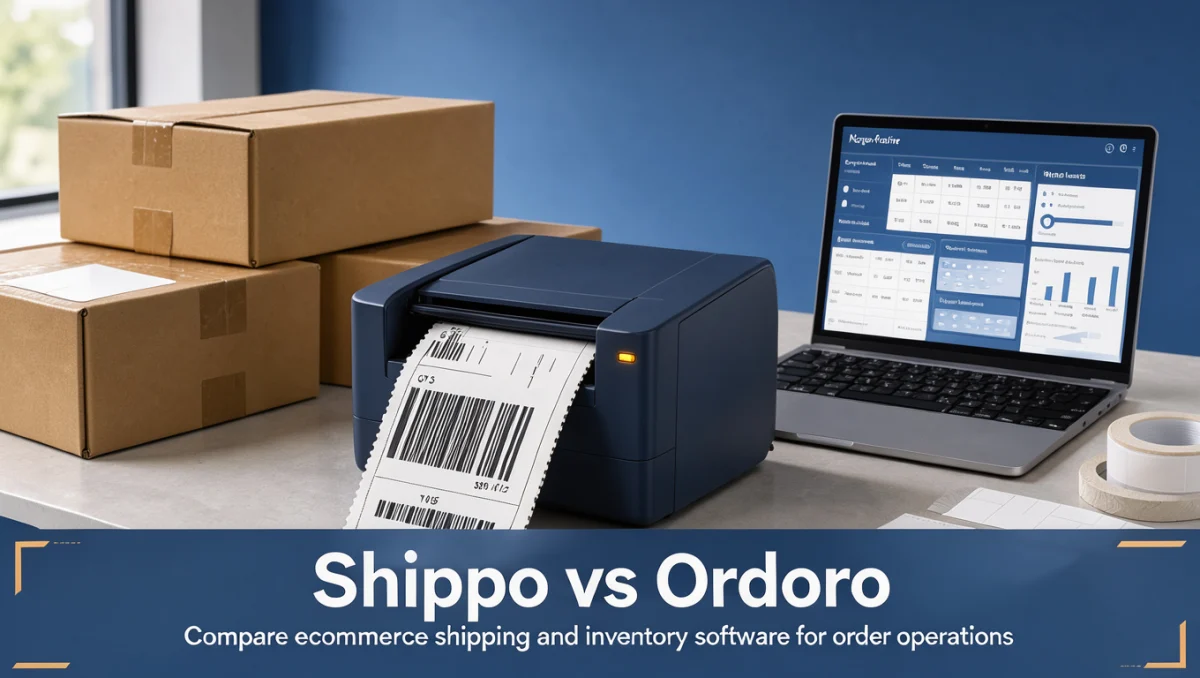
If you are weighing shippo vs ordoro for your online store, the decision shapes how orders leave your warehouse every single day. Both platforms help merchants connect storefronts, print postage, and track parcels, but they approach fulfillment from different starting points. One concentrates on carrier labels, the other widens into inventory and supplier coordination. At Top App Review Sites, we look at how each tool handles real fulfillment duties so you can invest without guesswork.
Your operational scope is the best place to start. Shippo is built first around label generation and multi-carrier postage management. Ordoro takes those same postage functions and places them inside a broader system that tracks stock across channels, manages purchase orders, and routes dropship orders to vendors. Reading this comparison closely will show whether your business needs streamlined shipping or wider back-office control.
Our quick verdict gives shippo vs ordoro an overall rating of 7.9/10. Shippo is a strong match for merchants who want fast, multi-carrier label creation without extra operational weight. Ordoro suits growing sellers who need linked inventory counts, purchase order workflows, and dropshipping management alongside everyday label printing.
| Evaluation Metric | Assessment Summary |
|---|---|
| topappreviewsites score | 7.9/10 |
| Best for | Merchants comparing carrier rates directly, or sellers who combine multi-channel stock tracking with postage work |
| Not ideal for | Organizations that want enterprise resource planning software or all-in-one accounting suites |
| Key strengths | Carrier label printing, batch postage workflows, multi-channel inventory management, and supplier dropshipping controls |
| What to check before buying | Review official fee schedules, monthly label quotas, and inventory sync rules on each official website |
1. How topappreviewsites Reviewed Shippo vs Ordoro
We examined what each platform is designed to do, who it serves, and how it stacks up against similar tools. Our review uses seven topappreviewsites criteria: features, ease of use, pricing and value, integrations, audience fit, support, and competitive position. Plans, prices, and limits change often, so we flag what to confirm on the official site before buying. This article was researched and drafted with AI assistance, then reviewed and edited by the topappreviewsites Editorial Team.
2. Short answer
Shippo centers on carrier connectivity, postage generation, and tracking alerts. Merchants choose Shippo when their main need is producing shipping labels efficiently across several carriers, without keeping detailed inventory records in the same tool. The software lets teams import orders from sales channels, compare postage options from carriers, print packing slips, and send tracking updates back to customers.
Ordoro covers a wider operational area by combining parcel label printing with inventory control, purchase order creation, and supplier routing. Merchants pick Ordoro when order volume calls for centralized stock counts across several storefronts, automated dropshipping notices to outside vendors, or consolidated purchase ordering from manufacturers. If you are also looking to tighten team productivity, the wider Collaboration & Productivity category offers useful context for choosing software.
3. Positioning breakdown
Comparing shipping software means matching your operational goals against what each platform actually does. The table below shows the main market position of each solution.
| Tool | Best for | Core strength | Consider if |
|---|---|---|---|
| Shippo | Merchants who need focused shipping label creation | Multi-carrier label generation and batch printing workflows | Your inventory tracking happens in an external system or storefront |
| Ordoro | Merchants managing stock levels and purchase orders | Integrated inventory synchronization and dropshipping order routing | Your business manages warehouse stock across several selling channels |
4. Features
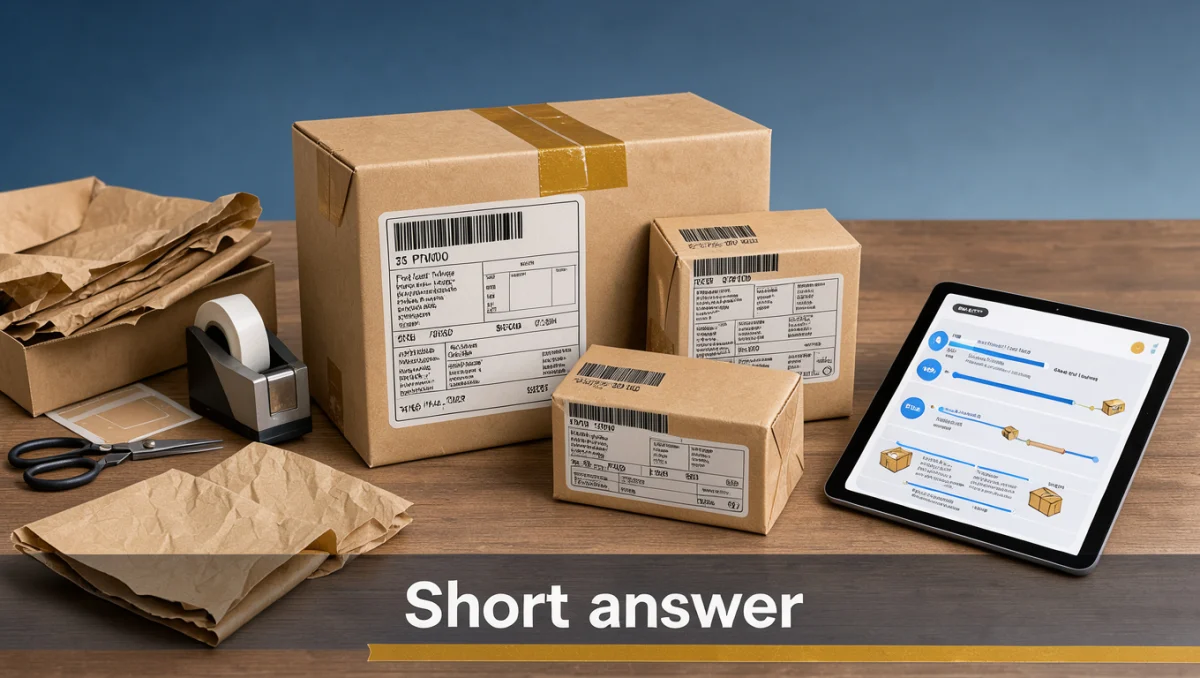
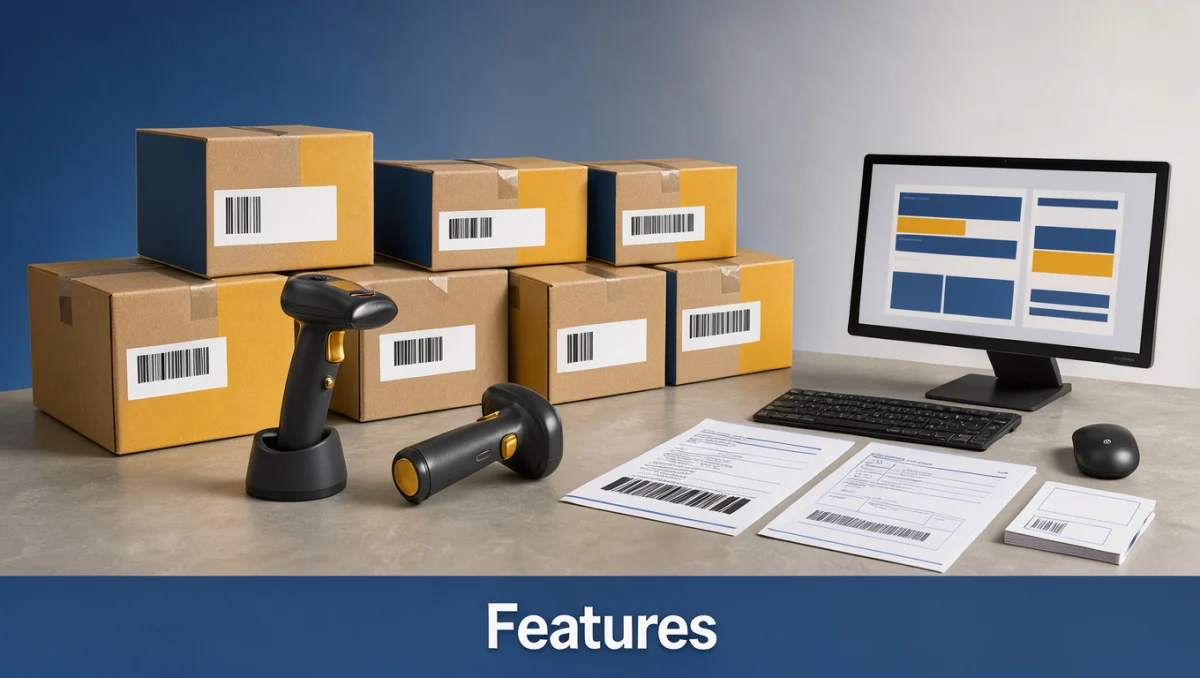
Shipping and inventory features determine how warehouse teams handle incoming customer orders. Judging functionality means understanding how each system processes parcels and keeps operational records.
4.1. Carrier rate comparison and label generation
Postage label generation is essential on both platforms. Shippo focuses on quick rate comparisons across connected parcel carriers. Operators import orders, choose package dimensions, review postage costs across available delivery services, and print labels one at a time or in batches. The interface keeps repetitive daily dispatches simple.
Ordoro offers comparable label printing while tying parcel creation to live warehouse records. Operators compare carrier postage and generate shipping documents directly from order screens. Because Ordoro links shipping tasks to product records, creating a label can also update catalog quantities.
4.2. Inventory management and stock synchronization
Inventory synchronization is the main functional difference between these tools. Shippo is not an inventory management system. It depends on connected ecommerce storefronts or warehouse tools to keep catalog numbers, product quantities, and stock alerts accurate.
Ordoro includes multi-channel inventory tracking as a core capability. The system monitors available units across connected sales channels, sends low-stock alerts, and updates product quantities across separate storefronts when sales happen. It also provides tools for building kits, bundling products, and creating purchase orders for suppliers.
4.3. Dropshipping and supplier workflows
Supplier fulfillment workflows control how products leave partner facilities. Shippo handles orders shipped from your own facilities or from standard third-party fulfillment centers, where postage is generated internally.
Ordoro builds dropshipping management directly into its order processing screen. The system can route specific line items to third-party vendors, send packing details automatically, and collect tracking information once the vendor ships. This suits hybrid merchants who balance owned stock with supplier inventory.
5. Ease of use
Ease of use affects how quickly warehouse staff and order managers adjust to a platform during busy periods. Operational simplicity often tracks with how deep the feature set goes.
5.1. Onboarding and initial configuration
Shippo offers a fast setup. Since its scope centers on shipping labels, users connect their storefronts, enter carrier credentials, set package presets, and start printing labels. The learning curve is minimal, so individual operators can process dispatches without lengthy staff training.
Ordoro needs a more detailed onboarding process because of its layered feature set. Users must map product listings, assign stock quantities, set warehouse locations, and configure supplier profiles alongside standard carrier settings. This setup requires careful data preparation before regular order processing begins.
5.2. Daily operational navigation
In Shippo, daily work is organized around order queues and shipment histories. The interface guides operators through label creation, address validation, and carrier selection with few distractions. Teams processing high volumes of standard boxes find the simple layouts efficient for repetitive tasks.
Ordoro organizes daily work through connected modules covering orders, products, purchase orders, and analytics. This layout gives comprehensive control over company operations, but moving between product catalogs and shipping queues takes more clicks and more attention from team members.
6. Pricing and value
Check the official pricing page of each provider before deciding. Subscription structures in this category vary widely depending on order volume, user seats, and feature access.
6.1. Subscription architecture and volume variables
Many shipping software vendors charge by monthly label volume or apply flat monthly subscriptions that rise as processing tiers expand. Buyers should confirm on the official Shippo pricing page how monthly volume thresholds are structured and whether per-label fees apply to specific carrier connections.
Inventory management platforms usually carry higher base subscriptions than standalone shipping applications. Buyers should verify on the official Ordoro pricing page whether inventory tracking, dropshipping routing, and barcode scanning are included in base tiers or require higher plans. Confirming user seat allowances also helps avoid surprise monthly costs.
6.2. Cost considerations for growing merchants
Total operating cost goes beyond software subscription fees. When choosing shipping software, merchants should budget for carrier postage rates, thermal printing hardware, label supplies, and any external inventory tools needed to complete the software stack.
| Cost Driver | What to check on official pricing pages | Operational impact |
|---|---|---|
| Label volume tiers | Threshold limits and overage costs per parcel | Changes monthly software expenses during peak seasons |
| Additional user seats | Seat allowances and charges for extra staff logins | Affects fulfillment teams with several warehouse pickers |
| Feature gating | Tier requirements for purchase orders and inventory sync | Determines whether basic tiers cover your core operations |
| Carrier connectivity | Account connection policies and commercial postage access | Influences direct postage margins on standard packaging |
7. Integrations
Integration capability determines how well order management software fits into your existing tech stack. Both platforms connect with major retail channels, though their technical focus differs.
7.1. Storefront and marketplace connections
Shippo connects with standard ecommerce platforms and digital storefronts to pull order details and return tracking numbers. Buyers should check the official Shippo integrations directory to confirm supported shopping carts, payment gateways, and marketplace channels before subscribing.
Ordoro connects with ecommerce platforms and also manages two-way inventory counts across multi-store setups. Buyers should review the official Ordoro integration documentation to confirm that their specific shopping carts support automated stock synchronization and multi-location routing.
7.2. Carrier networks and custom workflows
Connecting existing commercial carrier contracts lets merchants keep negotiated shipping rates. Most modern shipping systems allow companies to connect their own carrier accounts or use pre-negotiated commercial rates. Verify carrier compatibility on the official provider portals to make sure your regional and international delivery partners are supported.
8. Audience fit
Judging audience fit helps you avoid choosing an underpowered shipping tool or paying for operational features your team will never use.
8.1. When Shippo is the appropriate choice
Shippo suits businesses that need reliable postage label creation without back-office complexity. Common scenarios include:
- Solo entrepreneurs and boutique retailers shipping parcels from one location
- Merchants who keep inventory counts directly inside an ecommerce storefront
- Businesses that want fast multi-carrier rate shopping for standard packaging
- Teams that want an uncluttered fulfillment screen dedicated entirely to label printing
8.2. When Ordoro is the appropriate choice
Ordoro suits growing multichannel retailers that need operational coordination across warehouses and suppliers. Common scenarios include:
- Retailers selling across several web stores who need synchronized stock counts
- Businesses coordinating dropship orders directly with outside manufacturing vendors
- Warehouses that need purchase order creation and supplier restock tracking
- Merchants who want shipping tasks and inventory operations in one system
9. Support
Reliable technical support matters when label generation or stock synchronization stops working unexpectedly. Fulfillment interruptions can delay customer deliveries and hurt seller ratings.
9.1. Support access and self-service resources
Support in software companies often depends on the subscription level you choose. Many vendors reserve priority phone access or dedicated account representatives for higher-tier accounts, offering digital ticketing or chat on entry-level plans. Confirm on the official support pages which contact methods are available at your expected tier.
Self-service documentation gives quick answers during setup. Both platforms offer searchable knowledge bases covering carrier setup, thermal printer troubleshooting, and store synchronization. Reading public help documentation before choosing a tool is a good way to understand how each platform works.
10. Competitive position
Looking at competitive position shows how Shippo and Ordoro fit into the wider ecommerce fulfillment software landscape. Each holds a distinct place in merchant logistics.
10.1. Position in the shipping ecosystem
Shippo competes directly with specialized label printing solutions such as EasyPost and Pirate Ship. Its appeal rests on approachable postage generation, flexible carrier options, and accessible workflows for small and mid-sized merchant teams.
Ordoro sits between dedicated shipping tools and full enterprise resource planning platforms. It competes with solutions such as ShipStation, Stitch Labs alternatives, and Katana by pairing parcel processing with warehouse inventory oversight.
11. How to decide
Choosing between Shippo and Ordoro means evaluating your fulfillment process, current software, and warehouse workflow complexity. The steps below will help you find the right fit.
11.1. Step 1: Map your current inventory process
Identify where your inventory records live. If your ecommerce platform keeps stock levels accurate across your sales channels, a focused shipping application like Shippo avoids redundant software layers. If you sell across several channels and struggle with overselling, Ordoro provides the multi-channel stock coordination you need.
11.2. Step 2: Evaluate supplier and dropshipping needs
Analyze how customer orders get fulfilled. If your team packs every parcel from on-site shelves, standard shipping software covers your needs. If your model includes third-party suppliers who fulfill orders on your behalf, Ordoro automates dropship routing and supplier communication within daily workflows.
11.3. Step 3: Audit software budget against operational scale
Compare the cost of standalone shipping software with multi-channel operations software. Standalone postage tools generally carry lower recurring subscription costs. Multi-feature inventory systems cost more but can remove the need for separate inventory applications. Review the official pricing pages of both tools to calculate your total monthly commitment.
12. Frequently asked questions
What is the main operational difference between Shippo and Ordoro?
The main difference is operational scope. Shippo focuses almost entirely on postage label generation, carrier rate comparison, and parcel tracking. Ordoro combines shipping label generation with multi-channel inventory management, purchase order tracking, supplier dropshipping management, and barcode scanning workflows.
Can a business use external inventory software alongside Shippo?
Many businesses pair Shippo with standalone inventory or warehouse management systems. In that setup, the dedicated inventory tool tracks stock quantities while Shippo handles order imports and parcel label printing. Check the official integration documentation for both tools to confirm they work together.
How should growing merchants evaluate subscription tiers?
Check the official plan comparison pages of each provider. Focus on whether monthly fees change with label volume, registered sales channels, or team user seats. Knowing your average monthly order volume helps you pick the right tier without unexpected overage charges.
What hardware is needed to run order fulfillment on these platforms?
Both platforms run through standard web browsers and connect with thermal label printers or standard desktop laser printers. Barcode scanners can also be added for inventory counting or pick-and-pack verification. Confirm equipment compatibility in each provider's official help center before buying warehouse hardware.
13. Final verdict
The choice between Shippo and Ordoro depends on whether your operation needs a dedicated shipping tool or an integrated hub for inventory and shipping. Shippo offers an uncluttered, accessible workflow for merchants whose main goal is generating carrier postage efficiently. Ordoro gives expanding multichannel merchants the controls they need for inventory levels, purchase orders, and dropship suppliers alongside their shipping queues.
| Evaluation Criterion | Score /10 | Assessment Reason |
|---|---|---|
| Features | 8.5/10 | Shippo offers focused label tools while Ordoro adds multi-channel inventory and purchase ordering |
| Ease of use | 8.0/10 | Shippo provides quick onboarding; Ordoro requires structured data setup to run its inventory modules |
| Pricing and value | 7.5/10 | Buyers should verify official pricing tiers to balance shipping costs against inventory feature needs |
| Integrations | 7.5/10 | Check official integration directories to confirm your shopping platforms and carriers connect properly |
| Audience fit | 8.5/10 | Clear separation between standalone postage printing and comprehensive inventory management |
| Support | 7.0/10 | Review official support tiers to confirm whether your expected plan includes real-time assistance |
| Competitive position | 8.0/10 | Both hold recognized positions within their respective shipping and order operations software categories |
Overall score: 7.9/10
For solo sellers and boutique brands focused strictly on carrier label printing, Shippo provides a straightforward, focused working environment. For expanding retailers managing warehouses, multiple sales channels, and external supplier networks, Ordoro offers the operational depth needed to keep orders under control. If you have questions about choosing fulfillment software for your business, contact our team at Top App Review Sites or follow topappreviewsites on LinkedIn.