topappreviewsites may earn a commission when you buy through links on this page, at no extra cost to you. This does not affect our ratings.
Choosing an autonomous assistant is easier when you judge its real capabilities instead of its promotional claims. Our emergent ai review looks at how the platform performs in everyday knowledge work, from task breakdowns to team oversight. Since our reviews are published on Top App Review Sites, every rating is built on the same objective checklist.
Quick verdict: Scoring 7.5 out of 10, Emergent AI suits teams that want structured, multi-stage workflows and can supervise generated output. It is less suitable for solo users who need hands-off setup or fixed, manual reporting.
| Metric | Details |
|---|---|
| topappreviewsites score | 7.5 / 10 |
| Best for | Teams that want structured workflow automation with oversight |
| Not ideal for | Solo users who only send occasional messages and need simple fixed tools |
| Key strengths | Automated task structuring, iterative generation, process orchestration |
| What to check before buying | Official plan comparison page for seat quotas, usage limits, and administrative controls |
How We Reviewed Emergent AI
We assessed the platform against seven criteria: features, ease of use, pricing and value, integrations, audience fit, support, and competitive position. Plans, prices, and limits change frequently, so we highlight what to confirm on the official website before purchasing. This article was researched and drafted with the help of AI tools, then reviewed and edited by the topappreviewsites Editorial Team.
What Emergent AI Is and Who It Serves
Emergent AI is built to help knowledge workers with conversational reasoning, multi-step problem solving, and context-aware data tasks. Tools in this category organize responses around complex inputs, which can help teams scale recurring processes.
Within the wider Artificial Intelligence landscape, the software offers assistance with writing, technical analysis, data structuring, and task delegation. Evaluating it against your own company standards is the best way to judge output reliability.
Target Audience and Operating Scope
The platform mainly serves knowledge professionals, software engineers, project leads, and operations teams managing repeatable workflows. Teams that already have a technical supervisor usually configure prompts faster, while teams without internal governance may need a longer onboarding period.
Core Features of Emergent AI
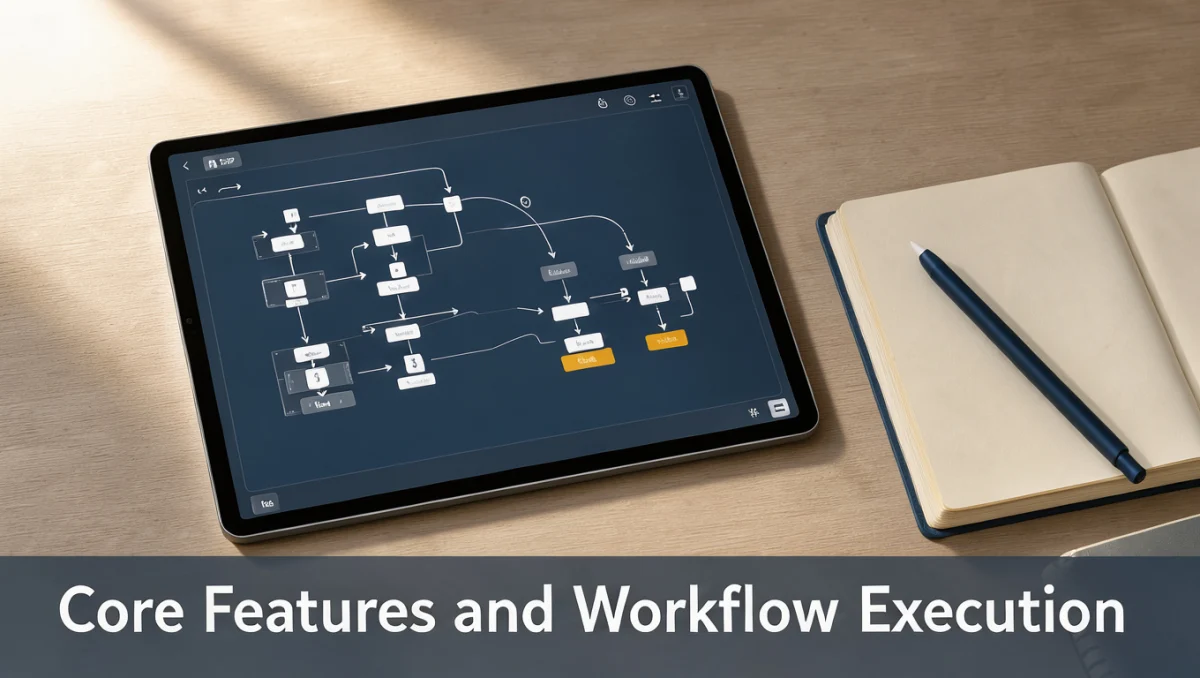
The main capabilities revolve around natural language understanding, iterative workflow generation, and procedural automation.
Contextual Task Execution
Users supply detailed instructions, and the platform converts them into discrete operational steps. It processes source material, identifies key parameters, and returns organized answers suited to workplace coordination, from synthesizing documentation to drafting outlines across departments.
Iterative Output Generation
Rather than relying on a single rigid answer, users refine results through successive prompts and structured revisions. This feedback loop makes it easier to adjust tone, deepen technical detail, and correct structure without starting over.
Process Coordination and Multi-Step Logic
Multi-stage tasks can be broken into sequential operations. A broad business question can be decomposed into foundational inquiries, each subcomponent examined, and the findings combined into one summary. Buyers should confirm in the official documentation how complex logic flows are handled inside shared workspaces.
Ease of Use and Learning Curve
Working effectively with Emergent AI depends on building good prompts and validating results. The conversational interface is uncluttered, but producing consistent outputs takes ongoing adjustment of input wording. New operators often spend time experimenting to see how specific phrasing changes responses. Teams that agree on shared prompting guidelines generally reach higher efficiency than teams using ad hoc habits.
Pros and Cons

Weighing strengths against operational limits helps determine whether the software fits your daily administrative routine.
Advantages
- Structured multi-stage task breakdown helps clarify complicated operational projects.
- Iterative prompt handling allows continuous refinement of complex source material.
- Flexible input handling accommodates diverse departmental use cases.
- Reduces manual effort when drafting standardized internal communications.
Limitations
- Ongoing human review is required to verify factual accuracy before distribution.
- Output quality depends heavily on clear user inputs, so staff training is needed.
- Licensing rules and usage thresholds vary by tier and need regular administrative tracking.
Emergent AI vs Similar Tools
Comparing platforms within the intelligent automation category shows where Emergent AI stands among alternatives.
General consumer assistants focus on broad knowledge questions and casual writing. Specialized operational systems target structured workplace processes that need multi-turn problem tracking. Enterprise automation suites often concentrate on orchestrating data across third-party software. Buyers should decide whether their main priority is generative drafting or direct infrastructure automation before signing a contract.
Who Should Use Emergent AI
Matching the platform to your organization ensures it delivers measurable workflow gains.
Freelancers and Independent Specialists
Solo professionals can use the tool to draft project scopes, structure research briefs, and summarize notes. Independent operators should confirm individual seat terms so the licensing fits a lean budget.
Small Business Owners
Small enterprises can use automated drafting for customer message templates and operational outlines. Owners should set a review process so generated communications stay consistent with company messaging.
Marketing and Operations Teams
Marketing teams can use language generation to iterate campaign ideas and content frameworks, while operations teams benefit from systematic outlining when documenting standard operating procedures.
Teams That Should Seek Alternatives
Organizations that need strict regulatory compliance with deterministic calculations should consider specialized auditing software. Companies seeking fully autonomous operations with no human intervention should look beyond general generative assistants.
How to Choose the Right Plan
Subscription tiers scale with organizational demands, administrative controls, and resource allocation. Before purchasing, check these details on the official pricing page.
| What to check on the official page | Why it matters |
|---|---|
| User seat allowances and administrative roles | Determines whether cross-departmental collaboration incurs additional per-seat fees. |
| Usage quotas and computation allowances | Affects continuity if team volume exceeds base limits during peak periods. |
| Administrative management features | Ensures leaders can manage access permissions, data governance, and privileges. |
| Workspace segregation capabilities | Prevents overlap between separate client projects or internal departments. |
Frequently Asked Questions
How does an organization determine whether advanced access is required?
Assess whether several staff members need simultaneous access to shared project spaces or whether centralized billing is necessary. When multiple departments deliver client work, comparing shared administrative controls on the official portal clarifies the right tier.
What should buyers check regarding usage limits before subscribing?
Review the official plan comparison to see whether monthly interaction volumes are capped. Knowing the computation limits helps avoid interruptions when processing lengthy documents during busy cycles.
Why is human oversight necessary when using language generation systems?
Automated platforms predict language based on input patterns, which can occasionally produce contextual misinterpretations. Human review protocols keep client communications and strategic summaries factually precise.
How should managers budget for software across growing teams?
Evaluate potential per-seat charges, add-on options, and internal training time. Including training in the estimate gives a more accurate cost projection than the base subscription rate alone.
Final Verdict
This emergent ai review finds that structured automated platforms support knowledge workers well when paired with disciplined oversight. The software is a solid choice for teams prepared to supervise generated outputs and maintain consistent prompt practices.
| Criterion | Score /10 | Reason |
|---|---|---|
| Features | 8.0 / 10 | Provides capable multi-step task execution and iterative drafting. |
| Ease of Use | 7.5 / 10 | Clean design, though consistent prompt results take team practice. |
| Pricing and Value | 7.0 / 10 | Verify official plan thresholds to confirm per-seat tiers match your budget. |
| Integrations | 7.0 / 10 | Review official compatibility lists to confirm ecosystem fit. |
| Audience Fit | 8.5 / 10 | Well suited to knowledge professionals seeking structured multi-stage drafting. |
| Support | 7.0 / 10 | Inspect available support channels and documentation on the official site. |
| Competitive Position | 7.4 / 10 | Competitive alongside similar AI platforms focused on generative workflows. |
Overall topappreviewsites Score: 7.5 / 10
For teams seeking reliable operational assistance, Emergent AI is a capable option when backed by disciplined editorial review. For more guidance on software decisions, send your questions through the topappreviewsites contact page or follow topappreviewsites on LinkedIn for ongoing evaluations.